
Custom Home Design Tips for Los Angeles Homeowners
Designing a custom home in Los Angeles is both exciting and deeply personal. With its hillside lots, coastal light, and love of indoor-outdoor living, Los Angeles offers the perfect backdrop for a home that reflects who you are and how you live. The process also brings unique challenges, from zoning regulations to topography and climate. Here are essential insights to help you design a home that feels timeless, connected, and unmistakably Californian.
1. Understand Your Site
Every remarkable home begins with a deep understanding of its site. In Los Angeles, where many properties sit on hillsides or sloped lots, orientation and topography shape every design decision.
● Study the Land
Observe how your property connects to its surroundings. The slope, neighboring homes, and views all inform how the design should unfold.
● Frame the Best Vistas
Position main living spaces to capture beautiful outlooks while maintaining privacy, comfort, and protection from direct sun.
● Work with the Sun and Breeze
Take advantage of Los Angeles’ natural light and airflow. Use shading, generous eaves, and operable windows to balance brightness and temperature throughout the day.
● Know the Rules Before You Design
Review zoning regulations, setback requirements, and height limits early. Understanding these parameters helps you design efficiently and avoid costly revisions later.
A home that truly responds to its site feels grounded, intentional, and effortlessly connected to its surroundings.

2. Embrace Indoor-Outdoor Living
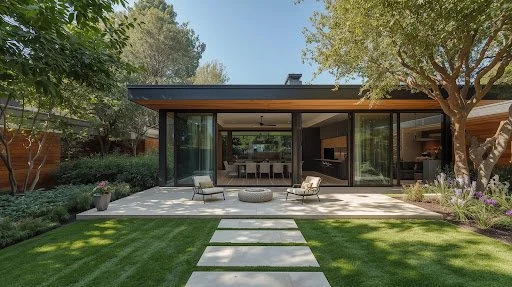
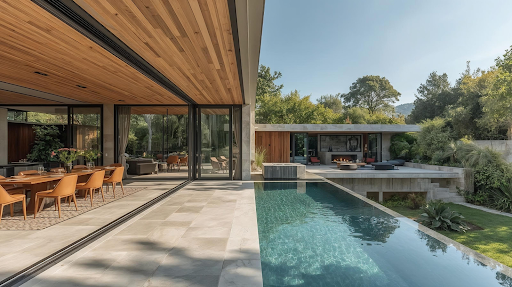
Indoor-outdoor living defines the Los Angeles lifestyle. When thoughtfully designed, it blurs the boundaries between home and nature, creating a seamless sense of flow and calm.
● Open Up to the Outdoors
Use expansive sliding or pocketing glass doors to connect living spaces directly to patios and gardens, inviting in light, air, and views.
● Extend Living Spaces Year-Round
Incorporate covered terraces, loggias, or shaded decks to create outdoor rooms that can be enjoyed in every season.
● Bring Light to the Center of the Home
Use courtyards and light wells to draw natural light deep inside while maintaining privacy and intimacy.
● Design the Landscape as Architecture
Treat your landscape as an extension of the home. Integrate planters, custom seating, and natural materials for a cohesive, grounded experience.
When architecture and landscape work together, everyday living feels effortless, balanced, and distinctly Californian.
3. Plan for Flexibility and Future Living
A truly custom home evolves with you. Thoughtful planning today allows your spaces to adapt beautifully as your lifestyle and needs change over time.
● Create Multipurpose Spaces
Design rooms that can serve more than one function. For instance, guest rooms that double as offices, or sitting areas that can transform into creative studios or lounges.
● Plan for Future Infrastructure
Think ahead about electrical, plumbing, and technology so upgrades can be made later without disruption or costly remodels.
● Prioritize Built-In Storage
Integrate closets, cabinetry, and custom millwork early in the design phase to support daily life while keeping your home uncluttered and refined.
● Design with Accessibility in Mind
Even if it feels far off, plan for comfort and ease of movement with wider walkways, step-free transitions, and seamless flow between indoor and outdoor spaces.
A flexible home isn’t just convenient, it’s timeless, comfortable, and ready to grow with you.
4. Focus on Materials and Craftsmanship
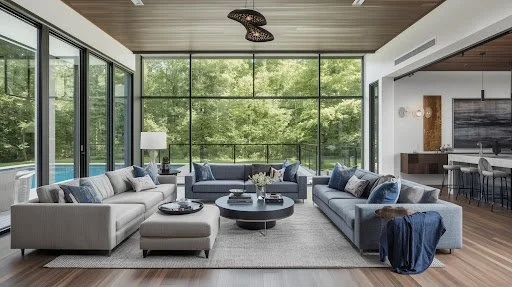
In a custom home, materials and detailing define the entire experience. Thoughtful selections create flow, character, and a sense of permanence throughout the space.
● Create a Cohesive Palette
Use natural materials like wood, stone, and metal that connect interior and exterior spaces seamlessly.
● Layer Refined and Textural Finishes
Combine smooth and tactile surfaces—textured plaster, honed stone, or hand-crafted tile—to bring depth, warmth, and visual interest.
● Invest in Performance and Comfort
Choose high-quality glazing and insulation to enhance comfort, reduce energy use, and elevate the overall feel of your home.
● Prioritize Detailing and Transitions
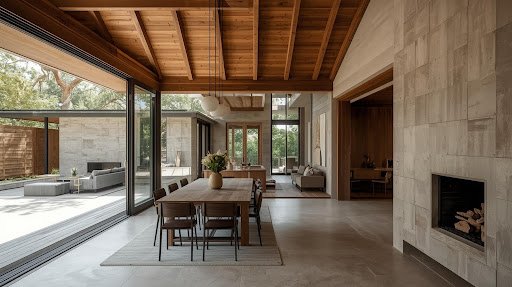
Pay close attention to how materials meet—where a window aligns with a wall or how a ceiling transitions into a beam. These subtle details reveal craftsmanship and make a home feel timeless and intentionally designed.
5. Design for Sustainability and Efficiency
Sustainability isn’t just a trend in Los Angeles, it’s a design essential. Thoughtful planning can create a home that’s both energy-efficient and deeply comfortable, perfectly in tune with the local climate.
• Maximize Passive Design Strategies Use smart orientation, shading, and natural ventilation to keep interiors cool and bright while minimizing energy use.
• Plan for Renewable Energy Early Incorporate solar panels, battery storage, and EV charging into the design phase so systems are seamless and efficient.
• Prioritize Water Conservation Choose native or drought-tolerant landscaping, capture rainwater when possible, and consider graywater systems for irrigation.
• Integrate Smart Home Technology Automate lighting, shading, and HVAC controls from the start so they complement your lifestyle and reduce waste.
• Select Sustainable Materials Opt for locally sourced, low-VOC, and durable finishes that age beautifully and support long-term performance.
A well-designed sustainable home not only lowers your footprint, it enhances your quality of life every day.
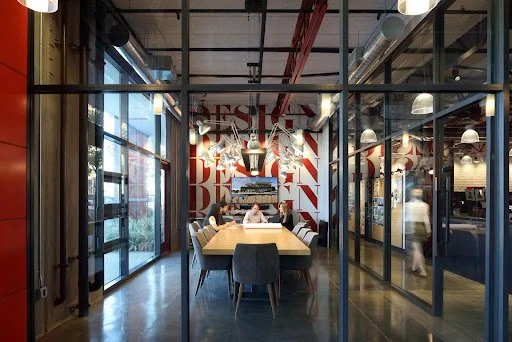
6. Collaborate with Your Design Team Early
The best results come from collaboration. Your architect, interior designer, engineers, and landscape team should all be part of the conversation from day one. Share your lifestyle, routines, and must-haves early so the design is shaped around how you truly live.
● Engage your full team early. Bring your architect, interior designer, engineers, and landscape designer into the process from the start to ensure every detail works in harmony.
● Share your lifestyle and priorities. Be open about how you live day to day—this helps the team tailor spaces to your routines and preferences.
● Expect an iterative process. Great design evolves. Allow time for ideas to develop and details to be refined collaboratively.
● Communicate openly about cost and materials. Transparency keeps the project aligned with your goals and budget.
● Prototype unique features. For special elements or custom details, use mockups or samples to test proportions, materials, and lighting before construction begins.
7. Anticipate Production Logistics & Phasing
In Los Angeles especially, access, permitting, and scheduling can significantly affect a custom build.
● Staging & Site Access Planning – Identify where contractors, equipment, and materials will be stored. Make sure trucks and vans can easily access your site.
● Phased Permitting & Approvals – Certain elements of your design may require specific variances. Coordinate early with the city, fire department, and utility providers to prevent delays.
● Timing & Seasonality – Plan major exterior work (like roofing and framing) during dry months, and be aware that inspections can be delayed around holidays or bad weather.
● Quality Control During Construction – Maintain design oversight throughout the build. Visit the site regularly to ensure the project stays aligned with your original vision.
At Welch Design Studio, we specialize in Custom Home Design in Los Angeles, creating homes that are site-sensitive, architecturally balanced, and deeply personal. Our work celebrates light, texture, and the effortless California way of living.
If you are ready to begin your design journey, explore our Custom Home Design Los Angeles services to see how we bring vision and craftsmanship together to create homes that stand the test of time.