
How to Design a Home That Feels Elegant but Livable
Learning how to design a home that feels elegant but livable is about creating interiors that look refined without becoming uncomfortable or overly formal. A sophisticated home should support everyday routines, welcome guests, and still feel visually polished. The goal is not to fill every room with expensive pieces, but to create a thoughtful relationship between materials, proportions, furniture, lighting, and functionality.
Successful residential interiors balance beauty with practicality. A carefully considered interior design style, durable finishes, comfortable furnishings, layered lighting, and purposeful accessories can make a home feel luxurious while remaining easy to live in. When every design decision responds to how the household actually uses the space, elegance becomes natural rather than forced.
Start With Function Before Aesthetics
The first principle of how to design a home that feels elegant but livable is to understand how each room will actually be used. Consider daily routines, entertaining habits, storage requirements, children or pets, and the movement between spaces before selecting furniture or decorative finishes. A beautiful room can quickly become frustrating if its layout prevents comfortable movement or lacks practical storage.
Create zones based on real activities rather than simply following conventional room arrangements. A living room might include a conversation area, reading corner, and flexible space for entertaining, while an open kitchen can incorporate cooking, dining, and social areas. This approach creates functional home design where elegance supports everyday life instead of competing with it.
Choose Sophisticated Materials That Can Handle Daily Life
Elegant interiors often rely on materials that provide texture, depth, and visual character. Natural stone, hardwood, quality textiles, metal accents, plaster finishes, and carefully selected woodwork can create a timeless appearance. However, material selection should always consider maintenance, durability, and the level of daily use a surface will experience.
For high-traffic homes, prioritize durable interior materials that maintain their appearance over time. Performance fabrics, stain-resistant upholstery, resilient flooring, and easy-to-maintain countertops can provide sophistication without creating constant maintenance demands. The best luxury interior design choices are those that continue looking beautiful after years of normal household activity.
Build a Refined but Comfortable Furniture Layout
Furniture plays a major role in making an elegant home feel welcoming. Choose pieces with strong proportions, quality construction, and comfortable upholstery rather than selecting furniture purely because it photographs well. Sofas should encourage relaxation, dining chairs should be genuinely comfortable, and occasional tables should be positioned where they are useful.
A successful furniture layout should also preserve natural circulation through the room. Avoid overcrowding spaces with too many decorative pieces or oversized furnishings. Instead, create visual breathing room around key pieces and use interior proportions to establish a balanced composition. This makes the home feel sophisticated without creating the impression that residents are afraid to touch anything.
Use Layered Lighting to Create Atmosphere
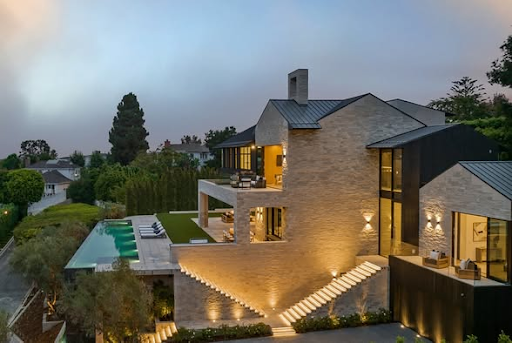
Lighting can transform even a relatively simple interior into a sophisticated environment. Combine ambient illumination with task lighting and accent lighting to create different levels of brightness throughout the day. Chandeliers, pendants, sconces, recessed fixtures, table lamps, and floor lamps can each contribute a different layer to the overall design.
Whenever possible, incorporate natural light as a major component of the design. Window treatments should control glare and privacy while allowing daylight to enter comfortably. At night, layered lighting and dimmer controls can create warmer, more intimate environments. The result is a home that feels polished during entertaining but equally comfortable during an ordinary evening.
Keep the Color Palette Sophisticated and Flexible
A restrained neutral color palette can provide an elegant foundation without making a home feel cold or predictable. Soft whites, warm taupes, natural wood tones, muted greens, earthy colors, and subtle grays can create continuity between rooms. Small doses of stronger colors can then be introduced through artwork, cushions, rugs, books, and accessories.
Rather than matching every item, focus on tonal relationships and repetition. Using similar undertones across walls, fabrics, flooring, and furniture creates visual harmony while allowing individual rooms to retain their own personality. This approach is particularly effective when exploring how to design a home that feels elegant but livable because it produces sophistication without excessive coordination.
Add Personality Through Curated Details
A livable luxury home should tell the story of the people who live there. Artwork, collected objects, family photographs, books, handmade ceramics, and meaningful accessories can make sophisticated spaces feel personal. These details prevent an interior from looking like a showroom and introduce warmth into an otherwise carefully composed design.
The key is intentional accessorizing rather than filling every surface. Choose fewer objects with greater visual or emotional significance, and give them enough space to stand out. Natural textures, greenery, handcrafted elements, and personal collections can introduce warm interior design qualities while maintaining a refined overall appearance.
Frequently Asked Questions
How do you make an elegant home feel comfortable?
Choose comfortable furniture, practical layouts, durable materials, and lighting that can change throughout the day. Avoid designing rooms exclusively around appearance or formal presentation. A home feels genuinely elegant when its beauty supports the way people actually live.
What colors make a home look more luxurious?
Warm neutrals, earthy tones, sophisticated whites, muted greens, and subtle shades of gray can create a refined foundation. The quality of materials and consistency of undertones often matter more than the specific color itself. Layering textures within a restrained palette can make simple colors appear considerably more luxurious.
Can luxury interior design be practical for everyday living?
Absolutely. Luxury does not have to mean delicate, difficult-to-maintain materials or furniture that cannot be used comfortably. High-quality performance fabrics, durable surfaces, thoughtful storage, and ergonomic layouts can combine practicality with an upscale appearance.
How can I avoid making my home look too formal?
Introduce comfortable seating, personal artwork, natural materials, soft textiles, books, greenery, and meaningful decorative objects. Leave some visual breathing room instead of making every surface perfectly styled. The combination of polished elements and relaxed details creates a more approachable atmosphere.
Should every room have the same design style?
Rooms do not need to be identical, but they should share a visual connection. Repeating materials, colors, architectural details, or finishes can create continuity throughout the home. This allows individual rooms to have personality while still feeling like parts of one cohesive interior.
What is the biggest mistake when designing an elegant but livable home?
One common mistake is prioritizing appearance over function. Oversized furniture, impractical materials, insufficient storage, or inadequate lighting can make a beautiful home difficult to enjoy. The strongest approach to how to design a home that feels elegant but livable is to make comfort and functionality fundamental parts of the design from the beginning.
Our recent blog