
Sustainable & Eco-Friendly Design in Architecture
In today’s world, where climate change and environmental challenges are increasingly urgent, sustainable and eco-friendly design in architecture is no longer just a trend. The architecture and design industry plays a crucial role in reducing carbon footprints, conserving resources, and creating healthier living environments. From residential projects to large-scale commercial buildings, sustainable design practices are shaping the future of how we build and live.
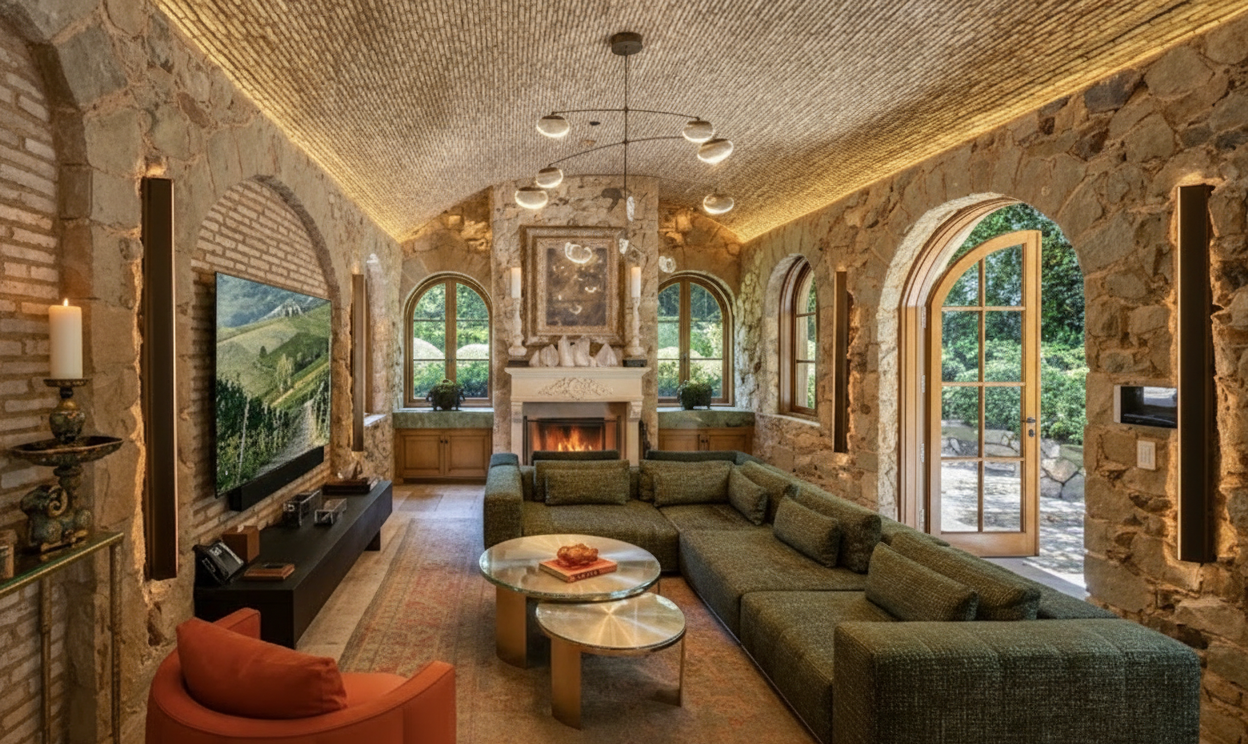
What is Sustainable Architecture?
Sustainable architecture focuses on creating spaces that minimize environmental impact while maximizing efficiency and comfort. This approach involves using renewable resources, energy-efficient systems, non-toxic materials, and eco-friendly construction methods. The goal is not only to protect the environment but also to promote long-term well-being for the people who use these spaces.
Key Principles of Eco-Friendly Design
Energy Efficiency
Incorporating natural light, solar panels, and smart energy systems reduces reliance on non-renewable energy sources. Proper insulation and ventilation also play a critical role in lowering overall energy consumption.
Use of Sustainable Materials
Materials such as bamboo, reclaimed wood, recycled steel, and low-VOC paints contribute to a healthier environment. They help reduce waste and minimize harmful emissions during and after construction.
Water Conservation
Smart plumbing systems, rainwater harvesting, and drought-resistant landscaping ensure that water resources are used responsibly. This is especially important in regions like California, where water scarcity is a growing concern.
Integration with Nature
Sustainable design often incorporates green roofs, vertical gardens, and open-air layouts that connect indoor spaces with the natural environment. This not only reduces the heat island effect but also enhances mental well-being.
Longevity and Flexibility
Designing with durability in mind ensures that buildings last longer with minimal maintenance. Flexible layouts allow spaces to evolve with changing needs, reducing the need for frequent renovations or reconstructions.
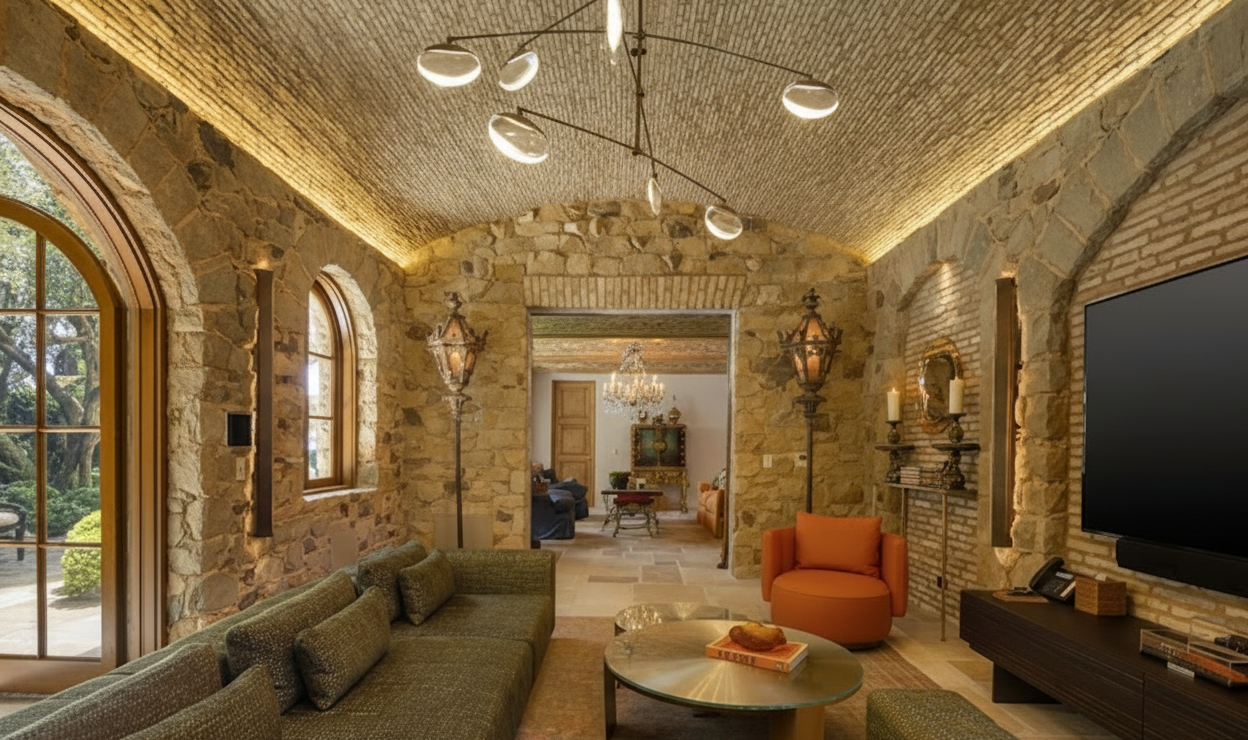
Why Eco-Friendly Architecture Matters Today?
Buildings account for nearly 40 percent of global energy consumption and carbon emissions. By embracing eco-friendly design, architects can make a meaningful impact in combating climate change. Beyond the environmental benefits, sustainable architecture creates healthier living and working environments, increases property value, and reduces long-term operational costs.
Role of Designers in Sustainable Architecture
The role of an architect or interior designer is more important than ever. They are not only creators of beautiful spaces but also advocates for responsible design choices that balance aesthetics with environmental responsibility. Choosing the right architect and interior designer in Los Angeles ensures that your home or commercial space embodies both style and sustainability. Experienced designers bring a deep understanding of local climate challenges and modern eco-friendly solutions, making your space ready for the future.

Conclusion
Sustainable and eco-friendly design in architecture is about creating a better tomorrow, one where style meets responsibility. By selecting green materials, energy-efficient solutions, and innovative designs, we can craft spaces that nurture both people and the planet. If you are planning a project, working with the right architect and interior designer in Malibu will help you achieve the perfect balance between beauty, functionality, and sustainability.