
Why Should Architecture and Interiors Be Designed Together?
At Welch Design Studio and Welch Design Studio Interiors, we believe the most successful homes are created when architecture and interior design are developed together as one unified vision from the very beginning.
A home should never feel as though the architecture was designed first and the interiors were simply added afterward. Instead, every element should work together seamlessly, creating a cohesive and intentional experience. The way a room is shaped, the way the light enters, the way the furniture sits, the way the materials meet, and the way someone moves through the space should all be connected.
Architecture and interiors are not separate disciplines, they are complementary parts of the same design story.
By designing them together from the outset, we create homes that are more thoughtful, more functional, and more enduringly beautiful, with every detail working in harmony to support the way our clients live.
Architecture and Interiors Need to Speak to Each Other
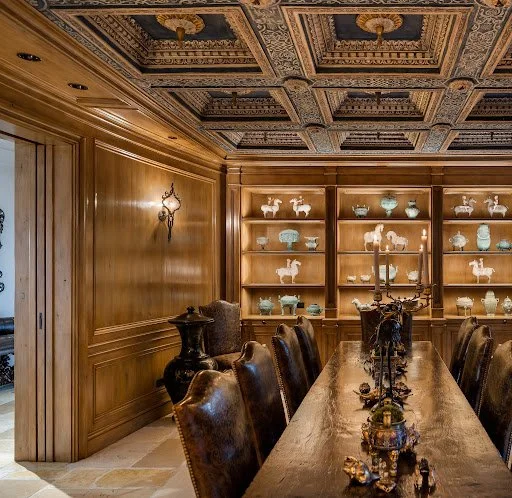
Architecture provides the framework of a home. It establishes the structure, proportions, scale, ceiling heights, natural light, spatial relationships, and the overall flow of the living environment.
Interior design brings that framework to life.
It shapes how people experience and interact with the space every day: where they gather, where they relax, how they move throughout the home, and how each room supports their lifestyle. The furnishings, lighting, materials, cabinetry, and finishes all contribute to the comfort, functionality, and character of the home.
When architecture and interiors are treated separately, a home can feel disconnected. Individual spaces may be beautiful, but the overall design often lacks the cohesion and balance that make a home truly exceptional.
When designed together, every decision supports a unified vision. Spaces feel more intuitive, details more purposeful, and the home achieves a level of harmony only possible through an integrated design approach.
Every Line on the Plan Matters
Great design is not the result of individual decisions, it is the result of how every decision works together.
At Welch Design Studio and Welch Design Studio Interiors, we consider the complete experience of a space from the earliest stages of design. Every element has an impact far beyond its immediate function.
A window is more than an opening in a wall. It shapes natural light, frames views, influences furniture placement, affects artwork locations, and contributes to the overall character of a room.
A ceiling is more than a structural necessity. Through its height, form, and detail, it can create a sense of intimacy or grandeur, establish rhythm and proportion, define spaces, and enhance the way light is experienced throughout the home.
A fireplace is more than a focal point. It influences the composition of a room, informs furniture arrangements, guides material selections, and shapes how people gather and interact within the space.
Every line on a plan carries meaning. Each decision affects countless others, creating a ripple effect throughout the home.
For this reason, we believe interior design should be considered while the architecture is still being developed, not after the major decisions have already been made. When architecture and interiors evolve together, the result is a home that feels more cohesive, intentional, and deeply connected at every scale.
Better Space Planning and Functionality
A home can be beautifully designed, but if it doesn’t function well, something is missing.
When architecture and interior design are developed together from the outset, every space is thoughtfully planned to support the way people actually live. Furniture placement, circulation, storage, lighting, cabinetry, and room proportions can all be considered early in the design process, creating a home that is both beautiful and highly functional.
This integrated approach helps eliminate awkward layouts, wasted square footage, and rooms that may look appealing on paper but fall short in everyday life.
At Welch Design Studio and Welch Design Studio Interiors, we design with real life in mind. We consider how you enter the home, where you set down your bags, where you enjoy your morning coffee, and how you gather with family and friends. We think about the relationship between the kitchen and dining areas, the flow of shared spaces, and the feeling of retreat and comfort in the primary suite at the end of the day.
These details may seem small, but they have a profound impact on how a home feels and functions. When architecture and interiors work together, the result is a home that not only looks exceptional, it enhances the way you live every day.
A More Cohesive Design
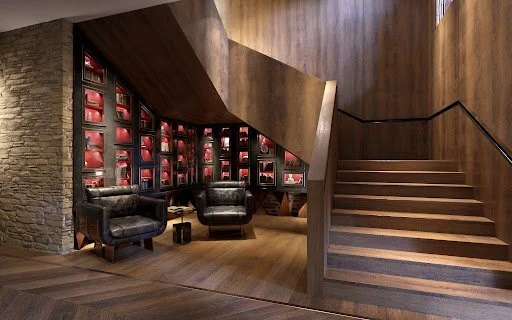
When architecture and interiors are designed in tandem, a home speaks with one clear, cohesive language. The exterior, interior architecture, cabinetry, lighting, materials, furnishings, and even the smallest details work together to create a unified experience.
This doesn't mean everything has to match. Rather, every element should feel intentional.
Stone, wood, plaster, tile, metal, fabrics, lighting, and furniture should feel as though they belong to the same story. The design should transition seamlessly from the outdoors in, and from one room to the next.
That sense of continuity is what gives a home depth, warmth, and a feeling of completeness.
Lighting Has to Be Designed Early
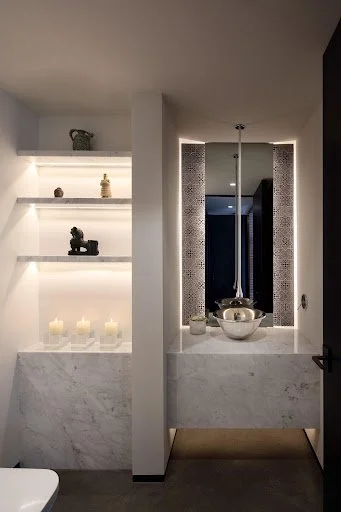
Lighting is one of the clearest examples of why architecture and interiors should be designed together from the very beginning. It influences nearly every aspect of how a home is experienced.
Lighting shapes the way materials are perceived, enhances architectural details, and sets the mood of a space. It can draw attention to artwork, soften a hallway, accentuate a ceiling detail, or make a kitchen feel warm and inviting. Beyond aesthetics, it also affects how people feel and function within their environment.
When lighting decisions are made too late in the process, the result can feel disconnected. Recessed fixtures may not align with furniture layouts, sconces may compete with mirrors or artwork, and ceiling details may not accommodate the intended fixtures. Even outlets and switches can end up in awkward or impractical locations.
When architecture and interiors are coordinated early, lighting becomes an integral part of the design rather than an afterthought. The result is a home that feels intentional, cohesive, and thoughtfully considered from every angle.
Fewer Mistakes During Construction
Thoughtful coordination between architecture and interiors doesn't just improve the final design, it also leads to a more efficient construction process.
When these disciplines are developed separately, important decisions are often revisited late in the project. Walls may need to be relocated, electrical plans revised, ceiling details adjusted, or cabinetry redesigned to accommodate changes that could have been anticipated earlier.
These last-minute modifications can increase costs, extend timelines, and create unnecessary frustration for everyone involved.
By planning architecture and interiors together from the outset, the design documents become more comprehensive and cohesive. Contractors have clearer direction, clients gain a better understanding of the vision, and the original design intent is more likely to be executed as planned.
The result is a smoother construction process, fewer costly surprises, and a home that reflects the thoughtfulness of the design from concept to completion.
The Home Feels More Personal
The most memorable homes do more than look beautiful, they feel deeply personal.
They reflect the way their owners live: how they gather and entertain, how they unwind at the end of the day, what they value, and how they want to feel each time they walk through the door. A well-designed home supports daily rituals while expressing the unique character and lifestyle of the people who inhabit it.
When architecture and interiors are designed together from the very beginning, the home can be shaped around the client rather than asking the client to adapt to the home. The result is more than a collection of thoughtfully designed rooms, it becomes a complete experience.
At Welch Design Studio and Welch Design Studio Interiors, every project begins with understanding the client, the story of the home, and the atmosphere we hope to create. From there, the architecture, interiors, materials, lighting, and details are developed in harmony, each element reinforcing the overall vision.
Why It Matters
People do not experience a home in isolated parts. They experience it as a whole.
They notice the entry sequence, the quality of light, the views, the proportions of a room, the texture of materials, the placement of furniture, the movement from one space to another, and, ultimately, the feeling the home evokes.
When all of these elements are considered together, the result is more cohesive, more beautiful, and more meaningful.
That is why Welch Design Studio and Welch Design Studio Interiors approach each project as one integrated design process. The best homes are not designed from the outside in or the inside out.
They are designed as one.