
Earthquake Resistant Architecture Tips for Southern California Homes
Southern California’s beauty comes with one undeniable reality earthquakes are part of everyday life. From Los Angeles to San Diego, homeowners are increasingly prioritizing resilient design strategies that make their homes safer, stronger, and better prepared for seismic activity. Modern architecture, engineering advancements, and thoughtful interior planning all play important roles in creating earthquake-ready spaces. Whether you’re building a new home, upgrading an existing structure, or planning a redesign, understanding key earthquake-resistant architecture principles can help you protect both your property and the people you love.
As more homeowners explore smarter construction methods and thoughtful interior planning, earthquake resilience has begun blending naturally with design philosophies seen in blogs like Custom Home Design Tips for Los Angeles Homeowners and Sustainable & Eco-Friendly Design in Architecture. The focus is no longer just on safety. It's about creating secure homes that still feel beautiful, comfortable, and aligned with the Southern California lifestyle.
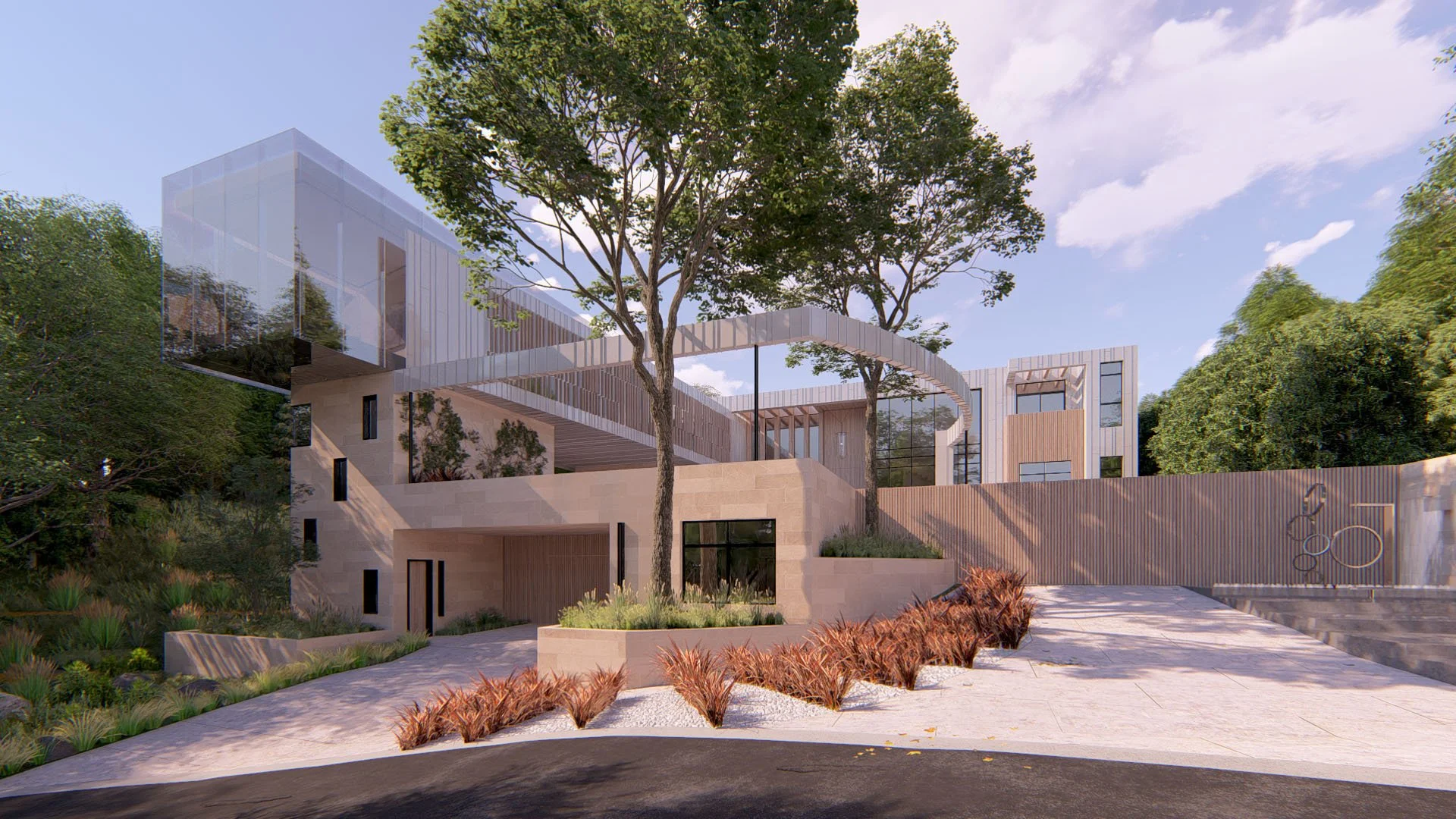
Understanding Structural Reinforcement for Seismic Safety
At the heart of earthquake-resistant architecture is structural reinforcement. Modern engineering focuses on distributing seismic forces so that a home moves safely rather than resisting movement altogether. Strong foundations, reinforced framing, shear walls, and moment-resisting systems allow homes to flex without collapsing.
Many homeowners planning major upgrades follow guidance similar to How to Choose the Right High-End Residential Architect and Interior Designer?, ensuring that they work with knowledgeable professionals who understand seismic building codes and local regulations. In Southern California, hiring the right team is critical for both safety and long-term home value.
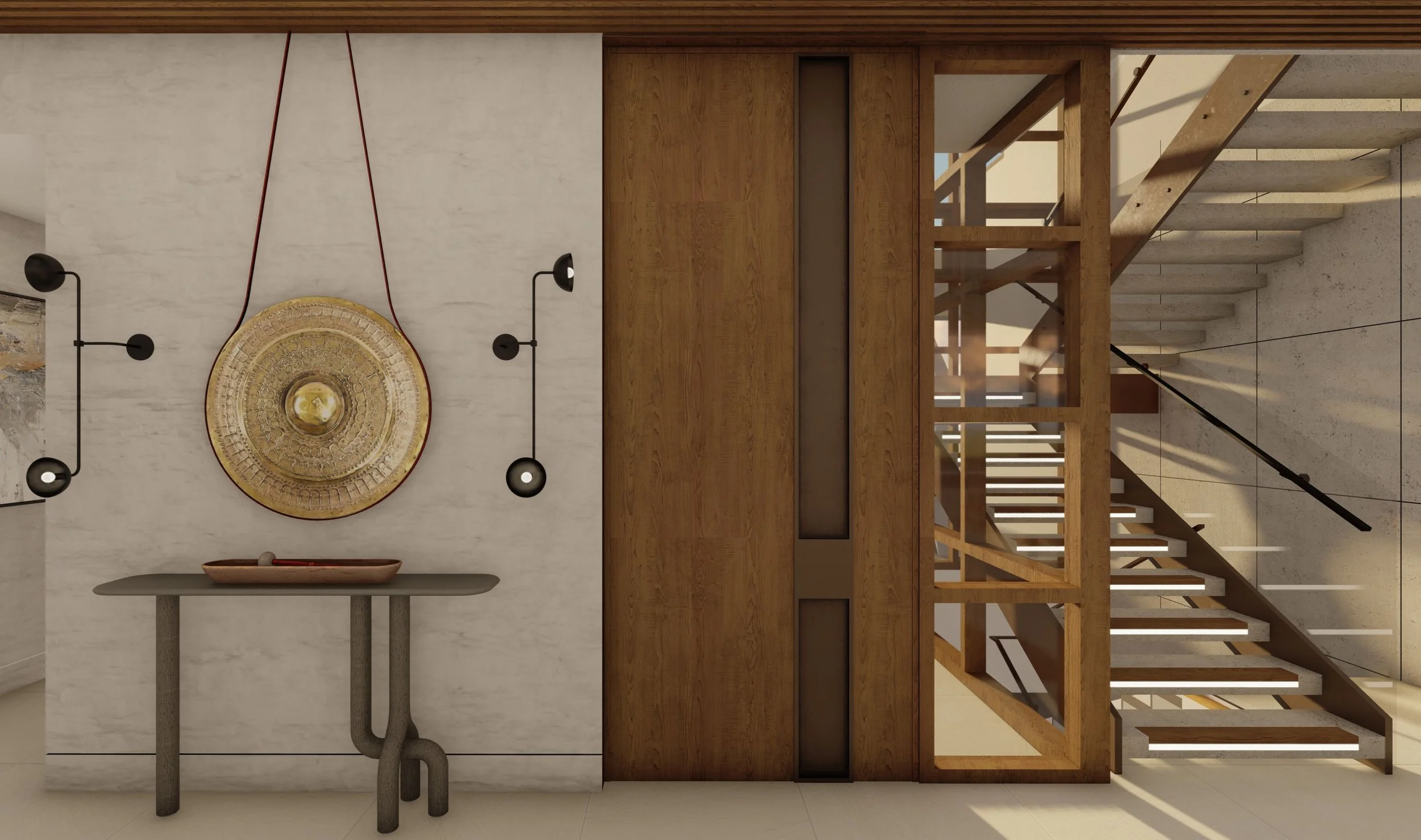
Flexible Building Materials That Absorb Movement
Using flexible building materials is essential for minimizing damage during an earthquake. Engineered wood, steel reinforcements, and fiber-reinforced concrete are commonly used to absorb seismic shock. These materials provide a balance between durability and flexibility, helping a structure withstand repeated movement.
This approach ties into the design philosophies highlighted in Innovation Tip in Luxury Residential Design, where modern materials and technology enhance both aesthetics and performance. A thoughtfully constructed home can be strong, stylish, and resilient without compromising on visual appeal.
Foundation Designs That Improve Stability
A home’s foundation plays a major role in how well it performs during an earthquake. Modern homes in Southern California often rely on reinforced slab foundations, pier-and-beam systems, or post-tensioned slabs that help distribute movement. Retrofitting older homes with foundation bolting and bracing significantly reduces the risk of structural failure.
Homeowners planning renovations often review advice similar to Top Design Tips Before You Redecorate, where understanding existing home conditions is a crucial first step before making foundation-related decisions.
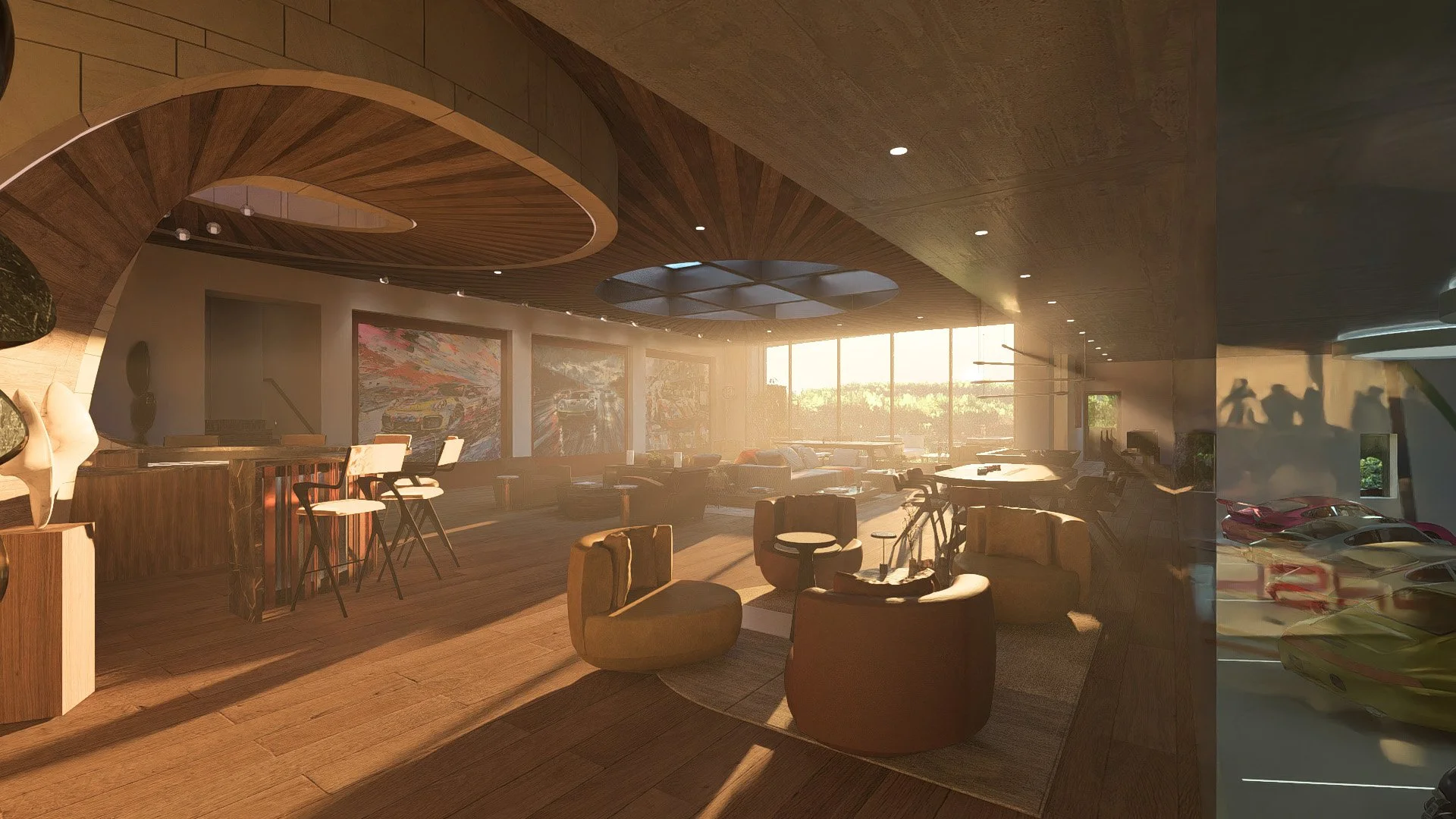
Importance of Interior Layout and Safe Space Planning
Interior design also contributes to earthquake safety. Strategic furniture placement, secure built-ins, and clutter-free layouts reduce hazards during shaking. Heavy items should be anchored, and tall storage should be fixed to walls. Earthquake-conscious interior planning reflects some of the wellness and safety principles mentioned in How Interior Design Impacts Mood, Wellbeing, and Productivity?, where thoughtful design choices enhance daily comfort and peace of mind.
Many homeowners also prefer minimalist layouts inspired by Minimalist vs Maximalist: Which Style Is Right for Your Lifestyle?, not only for aesthetics but also because minimalism reduces interior risks during seismic activity.
Strengthening Roof, Wall, and Window Systems
Earthquakes affect every part of a home, including the roof, walls, and window systems. Reinforced roofing materials, impact-resistant glass, and proper wall anchoring provide vital support. Shear walls, cross-bracing, and upgraded roofing help prevent collapse and reduce breakage.
Homeowners exploring contemporary upgrades often incorporate these reinforcements into designs similar to those seen in Luxury Home Design Trends in Contemporary Architecture and Interiors in Los Angeles, where structural integrity and modern aesthetics work together seamlessly.
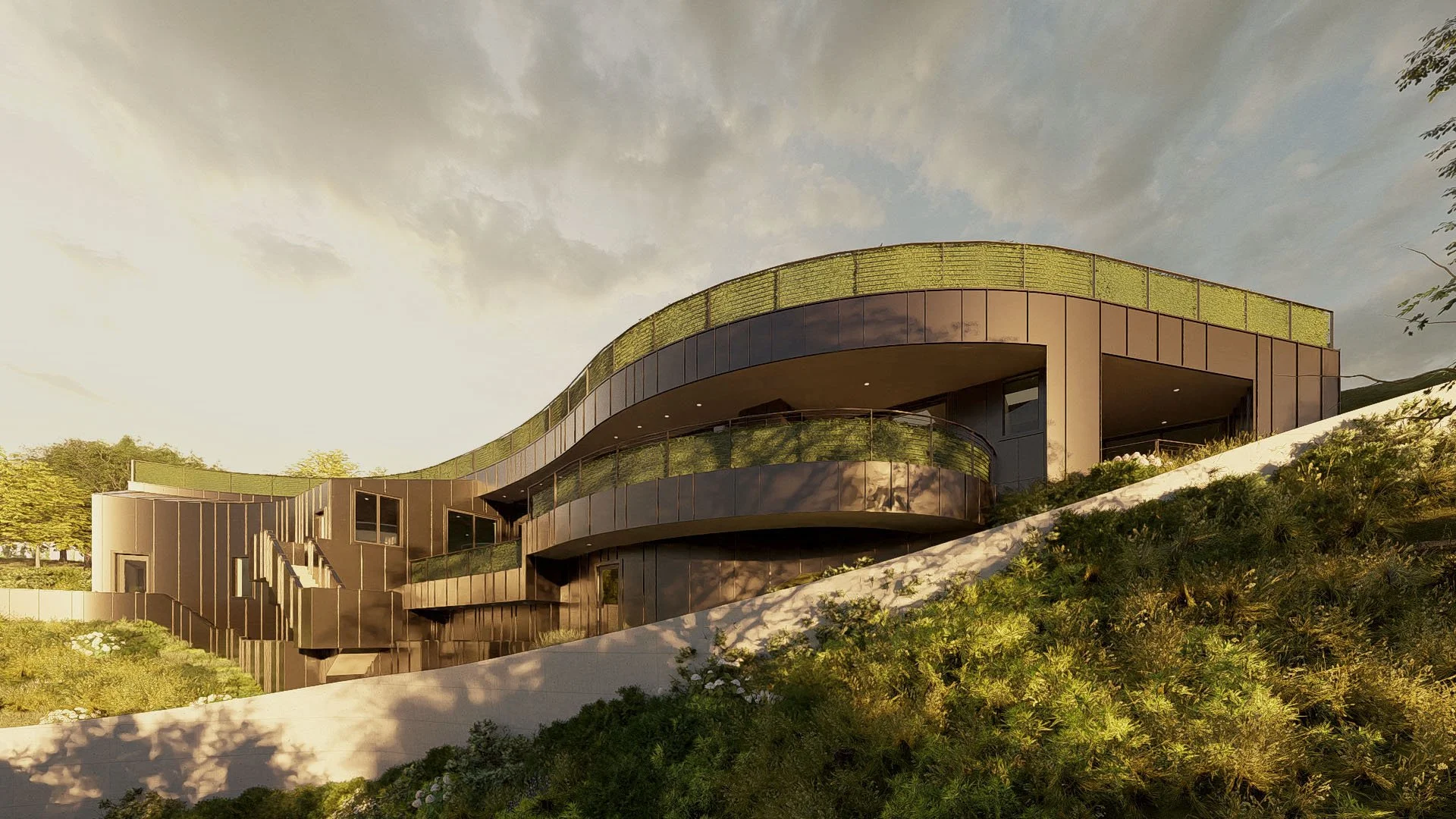
Eco-Friendly Seismic Solutions for Modern Homes
Sustainable design and earthquake resistance often go hand in hand. Eco-friendly materials like reclaimed wood, low-toxin steel, and sustainable insulation can improve durability while supporting environmental goals. This synergy aligns perfectly with the ideas explored in Sustainable & Eco-Friendly Design in Architecture, where Earth-conscious choices also enhance home performance and longevity.
Southern Californians increasingly value homes that are both resilient and environmentally responsible, making sustainable seismic solutions a smart long-term investment.
Retrofitting Older Homes for Improved Safety
Many homes built before modern seismic codes need retrofitting. Strengthening soft-story structures, adding foundation anchors, and reinforcing cripple walls dramatically improves safety. Retrofitting is not just a precaution, it’s essential for older Southern California properties.
Homeowners often consider retrofitting when planning broader updates similar to those in Common Interior Design Mistakes First-Time Homeowners Make, where addressing structural issues early prevents costly problems later.
Ensuring Indoor Comfort While Enhancing Safety
Earthquake-resistant features don’t have to make a home feel industrial or uncomfortable. When integrated thoughtfully, safety upgrades blend naturally into beautiful, modern interiors. This approach parallels the ideas in What Makes a Modern Home Comfortable and Cozy?, proving that comfort, style, and safety can all coexist within a well-designed space.
Homes that prioritize both resilience and comfort often feel more grounded, peaceful, and secure qualities that matter in earthquake-prone regions.
Hiring the Right Professionals for Seismic Design
In Southern California, earthquake-resistant homes demand specialized expertise. Architects, structural engineers, and designers must work in close collaboration to create spaces that are not only safe and code-compliant but also visually appealing.
Many homeowners turn to the guidance highlighted in Why Hiring a Professional Interior Designer in Los Angeles?, recognizing that expert support leads to smarter design decisions, enhanced safety, and fewer costly mistakes. In a region where seismic activity is a reality, professional guidance isn’t just helpful, it’s essential for achieving long-lasting performance, peace of mind, and a home that truly stands the test of time.
FAQs
1. Do all Southern California homes need earthquake-resistant features?
Yes. Because the region sits on major fault lines, every home new or old benefits from seismic reinforcement and safe architectural planning.
2. What is the first step in making a home earthquake-resistant?
A structural assessment by a licensed engineer is the best starting point. This helps identify weaknesses and guides the retrofit or redesign process.
3. Can older homes be upgraded for seismic safety?
Absolutely. Retrofitting older properties with foundation bolting, shear walls, and structural bracing significantly increases earthquake resilience.
4. Do earthquake-resistant features affect home design aesthetics?
Not at all. When done properly, structural upgrades integrate seamlessly with modern and traditional interiors.
5. How often should homeowners inspect their properties for earthquake safety?
Experts recommend inspections every 5–10 years or after any major seismic event to ensure structural stability.