
AI vs Human Creativity in Architecture and Interior Design
At Welch Design Studio, we design homes from the inside out and the outside in. Architecture and interior design are inseparable. Structure, light, material, and emotion must work together to create spaces that truly support the way people live.
Artificial intelligence is changing how architecture and interior design are approached. Homeowners in Los Angeles, Pacific Palisades, and Malibu are increasingly using AI powered design tools, virtual visualizers, and automated planning platforms to explore ideas more quickly. These tools can be useful, but they raise an important question.
Can AI replace the creativity, intuition, and emotional intelligence of a human architect and interior designer?
The answer is no. But when used intentionally, AI can support the design process in meaningful ways.
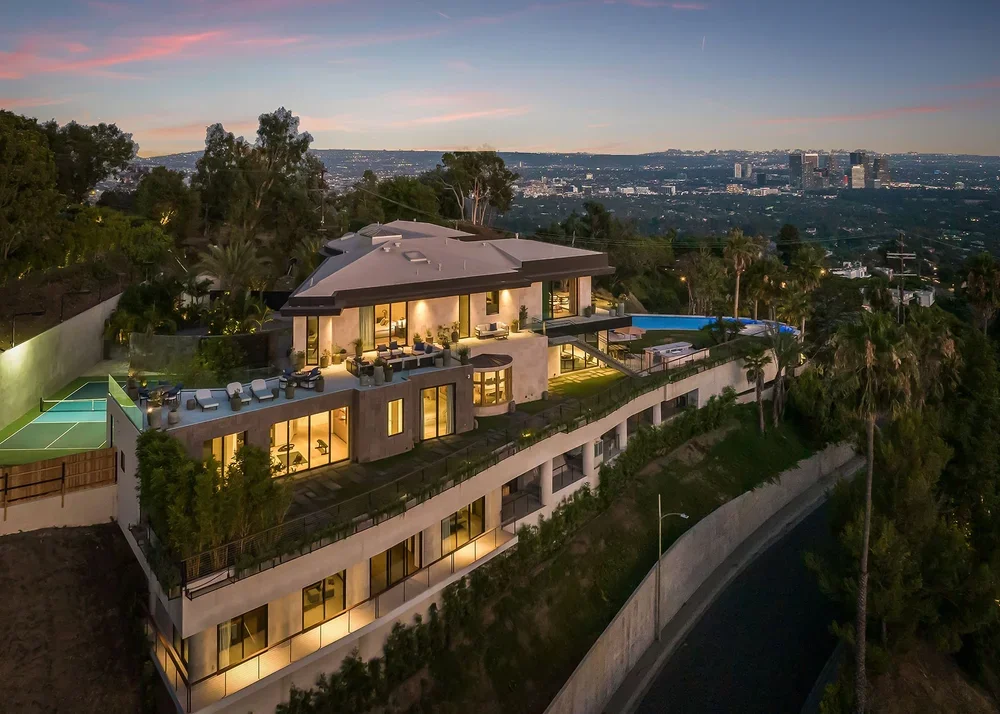
The Role of AI in Modern Architecture and Interior Design
AI has become a useful tool in the early stages of residential design. It can analyze architectural styles, interior layouts, materials, and spatial relationships within seconds. This allows designers to test ideas quickly, generate preliminary layouts, and visualize concepts before refining them.
In high demand Southern California markets, many clients now arrive with AI generated ideas already in hand. This mirrors the way homeowners research trends before beginning a renovation, a topic we explored in Top Design Tips Before You Redecorate.
AI can accelerate the beginning of a project. It cannot define its depth.
Where does AI Excels?
Speed and Concept Exploration
AI can generate multiple architectural and interior layout options quickly, allowing for rapid testing of spatial arrangements, finishes, and lighting scenarios.
Functional Space Planning
By evaluating room proportions, circulation, and daylight, AI can suggest efficient layouts. This is particularly helpful in Los Angeles homes where square footage must be carefully considered.
Trend Awareness
AI identifies emerging design trends across architecture and interiors. When paired with professional judgment, this can inform contemporary design decisions, similar to those discussed in Luxury Home Design Trends in Los Angeles Architecture and Interiors.
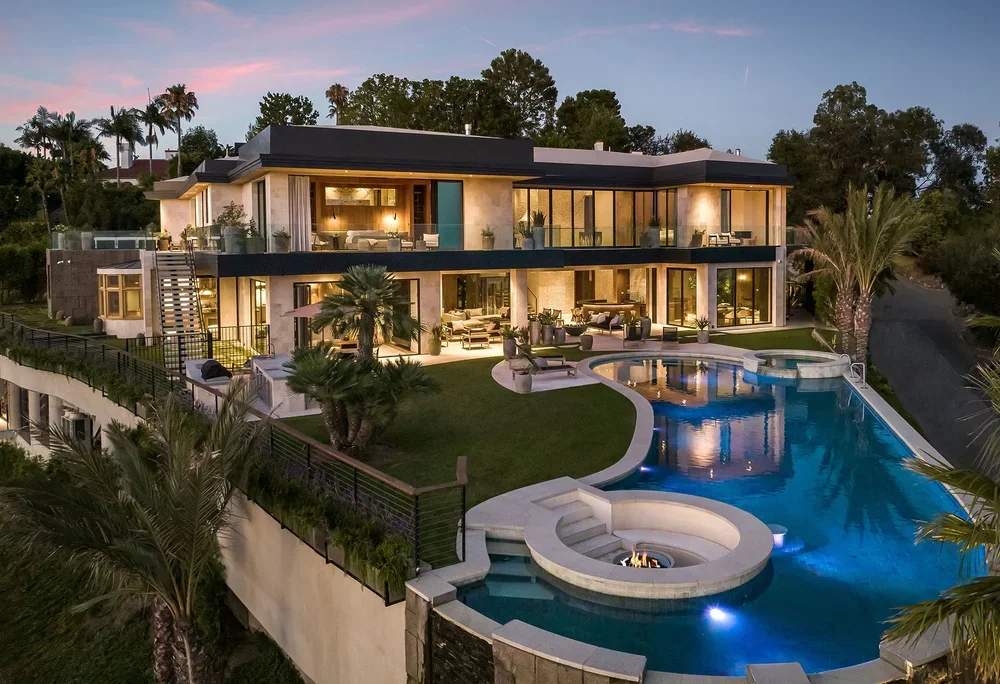
Where Human Creativity Leads?
Despite technological advances, architecture and interior design remain deeply human disciplines.
Emotional Intelligence in Design
We design spaces around how people feel in them. A Pacific Palisades family may want warmth, softness, and a sense of retreat. A Malibu home may prioritize openness, light, and a strong connection to the landscape.
These emotional decisions cannot be generated by software. They require listening, intuition, and experience.
Local Context and Lifestyle Understanding
Design is shaped by place. Working in Southern California means understanding climate, light, coastal conditions, neighborhood character, and lifestyle rhythms. These nuances guide both architectural form and interior detailing.
This local awareness is why certain styles naturally belong in specific areas, as explored in Mediterranean vs Contemporary Architecture in Pacific Palisades Homes.
Experience Based Problem Solving
Human designers anticipate challenges AI often misses. Construction realities, material aging, family dynamics, maintenance, and how a space will function years into the future all require experience and foresight.
Creativity Rooted in Real Life
AI learns from data. Designers learn from lived experience. Art, travel, memory, culture, and the way people move through space give architecture and interiors depth, meaning, and individuality.

AI and Human Collaboration in Design
At Welch Design Studio, we view AI as a supportive tool, not a creative authority.
We may use AI to explore early concepts, test spatial ideas, or visualize options for clients. Clients may use AI to clarify what they are drawn to before the design process begins. When paired with human insight, this collaboration leads to homes that are refined, personal, and deeply considered.
This approach also supports thoughtful and sustainable design strategies, aligning with our work in environmentally responsible architecture and interior design.
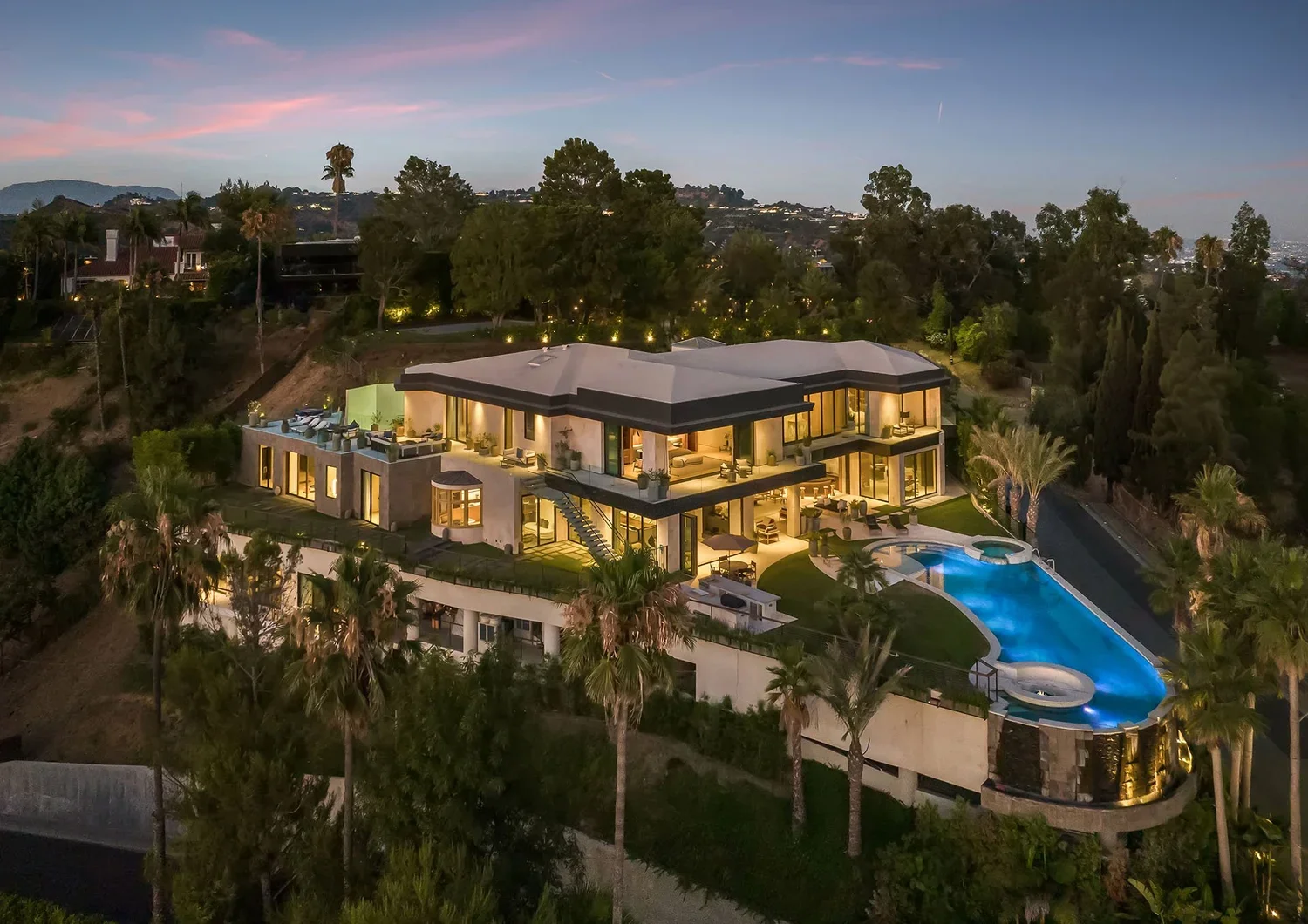
How AI Is Used in Residential Architecture and Interior Design?
AI concept and mood studies allow quick exploration of architectural language, materials, and interior palettes.
Virtual space visualization provides early clarity for layouts, finishes, and spatial relationships.
Lighting and daylight simulation is especially important in Malibu and coastal homes where light defines space.
Space optimization tools help balance openness, comfort, and functionality in luxury urban homes.
Can AI Replace Architects and Interior Designers?
No. AI cannot understand emotion, lifestyle, culture, or long term vision. Architecture and interior design require responsibility, judgment, and sensitivity, qualities built through years of professional experience.
AI can assist the process. It cannot lead it.
Conclusion
The future of architecture and interior design is not AI versus human creativity. It is AI guided by human insight.
Technology offers speed and analytical precision. Designers bring empathy, originality, and an understanding of how space shapes daily life. When both work together, the result is architecture and interiors that feel intelligent, personal, and enduring.
At Welch Design Studio, we believe the most meaningful homes are created where innovation meets the human heart.
FAQs
Can AI design a home without an architect or interior designer?
AI can generate concepts, but it cannot replace professional judgment, site knowledge, or emotional understanding.
Is AI useful in luxury residential design in Los Angeles?
Yes. AI supports visualization and early exploration. Designers refine those ideas to meet architectural, interior, and lifestyle demands.
Will AI replace architects and interior designers?
No. Human creativity, experience, and cultural understanding remain essential.
Should homeowners rely only on AI for renovations or new builds?
AI is helpful for inspiration, but professionals ensure safety, longevity, comfort, and cohesion.
How do designers use AI in real projects today?
Designers use AI for early concept studies, lighting analysis, material comparisons, and spatial simulations, allowing more time for thoughtful design decisions.