
The Ultimate Tools for California Homeowners to Plan and Perfect Their Remodels
Discover the top tools California homeowners use to plan luxury remodels with confidence. Visualize layouts, test materials, optimize lighting, and make smarter design decisions before hiring an architect or interior designer.
Planning a home remodel in California has never been more exciting. Whether you live in Pacific Palisades, Malibu, or elsewhere in Southern California, smart design tools can help you visualize ideas, avoid costly mistakes, and make confident decisions long before hiring a professional. With remodeling costs on the rise, homeowners are increasingly using these tools to refine concepts early, creating a smoother and more predictable pre-remodel process. This approach aligns with insights from AI vs Human Creativity in Home Design, emphasizing the value of clarity and vision before construction begins.
Before selecting materials, finalizing layouts, or committing to an architectural style, the right tools save both time and money. They allow you to experiment with floor plans, lighting, textures, and environmental performance, giving you confidence in your decisions. By the time you sit down with your architect or interior designer, you arrive with a clear vision, which leads to results that are more intentional, functional, and aligned with your lifestyle, echoing principles shared in Luxury Home Renovation Tips for Pacific Palisades Residents.

Why Smart Tools Matter Before Starting a Remodel?
Every remodel begins with uncertainty. Homeowners often wonder which layout works best, how materials will look together, how sunlight moves through a space, and how interiors will feel once complete. Design tools help reduce this uncertainty by generating multiple visual concepts quickly, allowing California homeowners to explore different configurations without costly trial and error.
This is especially valuable in regions with strong architectural identities, such as Malibu’s indoor-outdoor homes or the Modern Coastal influence in Pacific Palisades. As explored in Indoor-Outdoor Living Designs for Homes in Malibu, California, these tools help integrate lifestyle and architecture seamlessly.
Beyond aesthetics, modern tools add technical depth. They can predict energy use, simulate structural and seismic performance, and analyze environmental impact. These insights complement strategies discussed in Earthquake Resistant Architecture Tips for Southern California Homes, helping homeowners create remodels that are both beautiful and resilient.

Top Space Planning Tools for Smarter Layout Decisions
Planner 5D
Planner 5D allows homeowners to create detailed floor plans and explore multiple layouts with a simple drag-and-drop interface. Realistic three-dimensional visualizations help understand space, circulation, and furniture placement before remodeling begins. It is ideal for testing layouts with confidence.
Homestyler
Homestyler builds interactive three-dimensional room models that make remodel concepts easy to visualize. It supports precise measurements, lighting previews, and scaled furniture placement, helping homeowners clearly see their future space before construction starts.
RoomSketcher
RoomSketcher provides professional-level space planning with user-friendly controls for quick design experimentation. It generates both two-dimensional and three-dimensional floor plans, revealing room flow, proportions, and functional potential. Open layouts, storage solutions, and furniture arrangements can be explored efficiently.
Foyr Neo
Foyr Neo delivers fast, realistic room modeling, allowing homeowners to change layouts, materials, and furniture instantly without design experience. It is perfect for luxury interiors, helping test remodel ideas effortlessly.
MagicPlan
MagicPlan lets users scan a room with a smartphone and convert it into an editable floor plan. This tool is particularly useful for pre-existing structures, enabling accurate redesign, expansion, or reorganization before construction begins.
Lighting Simulation Tools for Perfect Ambience
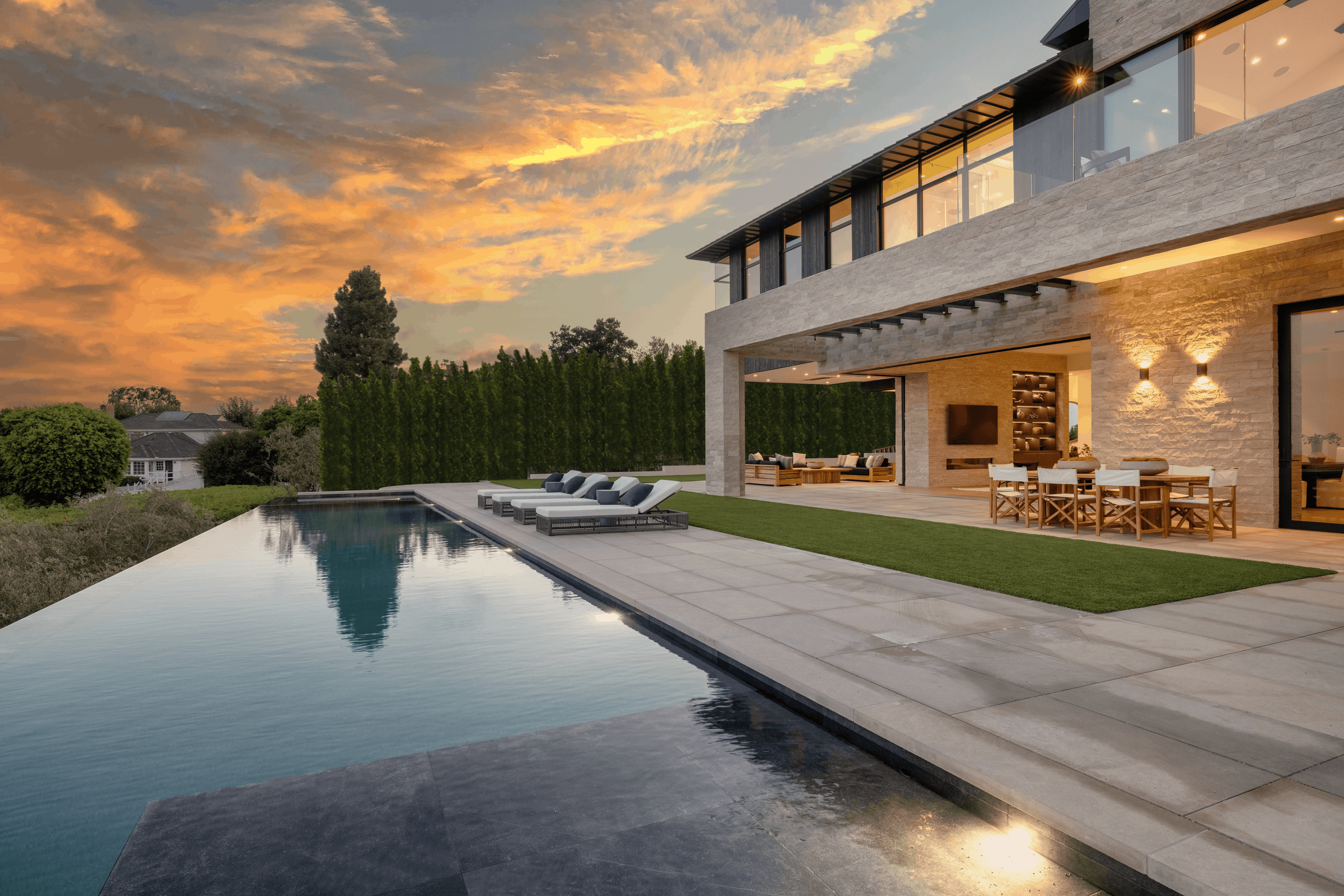
Lighting can make or break a remodel, especially in California’s sun-driven lifestyle. Simulation tools predict how natural daylight shifts and how artificial lighting affects each space. This allows homeowners to make informed choices about window placement, fixture temperature, and layered lighting strategies.
Lighting simulations are invaluable for ocean-facing homes, where strong sunlight and deep shadows can affect comfort. By testing these conditions in advance, homeowners create bright, airy spaces that remain inviting throughout the day, reinforcing lessons from What Makes a Modern Home Comfortable and Cozy.
Simulated lighting also helps reduce energy consumption by showing where natural light works best, optimizing fixture use, and supporting energy-efficient solutions without sacrificing design quality.
Sustainability and Energy Planning
California homeowners increasingly prioritize eco-conscious design. Sustainability tools evaluate energy efficiency, insulation, sun exposure, and material impact to guide greener choices. These platforms make it easy to select low-carbon materials and energy-efficient layouts before construction begins.
Sustainable planning aligns with Sustainable and Eco-Friendly Design in Architecture, ensuring remodels are functional, stylish, and environmentally responsible. Homeowners can compare multiple sustainable options and confidently select solutions that balance comfort, long-term savings, and eco-friendly performance.
How Smart Tools Make Remodels More Cost Effective?
Budgeting is one of the biggest challenges in California remodeling. These tools estimate material costs, labor, and potential structural changes, keeping projects financially realistic. Early comparisons of multiple design options prevent costly mistakes such as unnecessary wall removal, oversized furniture, or mismatched finishes.
By highlighting long-term benefits, including energy savings and reduced maintenance, smart tools help homeowners make thoughtful investments that increase property value over time.
Frequently Asked Questions
Can these tools replace a professional interior designer?
No. They are valuable for visualization and planning, but cannot replace the expertise, creativity, or technical knowledge of a professional. Designers ensure your remodel is safe, functional, and aligned with your lifestyle.
Do these tools help reduce remodeling costs?
Yes. They prevent costly mistakes by allowing homeowners to test layouts, materials, and energy strategies before construction begins.
Can these tools help me choose a design style?
Yes. Visualizers make it easy to preview colors, textures, and finishes, but a designer ensures the final result is cohesive and personalized.
Are they accurate for space planning and lighting?
They provide realistic simulations based on measurements and natural light patterns. Designers fine-tune these details for optimal functionality and ambiance.
Should I use these tools before meeting with an architect or designer?
Absolutely. They clarify your vision and preferences, making design meetings more productive and focused. Designers appreciate homeowners who arrive prepared with ideas and inspiration.