
Why AI Tools Cannot Replace Professional Interior Designers?
Artificial intelligence has dramatically changed how homeowners approach interior design. AI tools can quickly generate mood boards, color palettes, and room layouts, making the pre-design phase faster and more visible. However, despite these technological advancements, AI cannot replicate the intuition, creativity, and nuanced decision-making of professional interior designers. This aligns with insights from AI vs Human Creativity in Home Design, highlighting the irreplaceable value of human judgment in creative processes.
Homeowners in areas like Pacific Palisades and Malibu often rely on AI tools for initial ideas, as discussed in The Best AI Tools Every California Homeowner Should Use Before Remodelling. These tools are excellent for exploring trends and visualizing potential spaces, but they lack the human touch required to translate lifestyle, emotional needs, and cultural context into a cohesive design. AI can suggest combinations, but it cannot assess how a space truly feels or functions for the people living in it.
Professional designers combine technical expertise with artistic sensibility. They understand architectural styles, including Modern Coastal or Mediterranean trends highlighted in Why Pacific Palisades Homeowners Prefer Modern Coastal Architecture and Mediterranean vs Contemporary: Best Styles for Pacific Palisades Homes. This ensures a home is both practical and visually compelling—something AI alone cannot guarantee.

AI Can Assist but Cannot Replace Creativity and Intuition
AI tools can generate multiple design alternatives in minutes, but they are inherently data-driven. They rely on patterns, templates, and trend analysis, which limits originality. Human designers, in contrast, draw from experience, cultural knowledge, and intuition to create spaces that feel alive and personal.
Professional interior designers also balance client desires with practical constraints such as lighting, spatial flow, and ergonomics. AI may recommend ideal furniture placement, but it cannot account for daily activities, family dynamics, or emotional comfort. This connects directly to insights from What Makes a Modern Home Comfortable and Cozy, where thoughtful design enhances both function and mood.
Finally, human designers innovate when unexpected challenges arise. Renovation projects, especially high-end remodels referenced in Luxury Home Renovation Tips for Pacific Palisades Homes, often involve unforeseen structural or aesthetic issues. Designers adapt in real time—something AI tools cannot replicate.
The Limitations of AI Tools in Interior Design
Lack of Emotional Intelligence
AI cannot understand the emotional impact of a room. It can suggest trending colors or layouts, but it cannot sense how natural light, textures, or spatial arrangements affect a homeowner’s mood. Professional designers, as highlighted in How Interior Design Impacts Mood, Wellbeing, and Productivity, ensure spaces support emotional wellness.
Contextual and Cultural Nuances
AI ignores cultural context or local design opportunities. Designers understand regional architecture, climate, and lifestyle, allowing them to create homes tailored to Southern California’s unique needs. This is particularly important in high-end markets, aligning with insights from Best Interior Design Styles for Southern California Homes.
Problem-Solving with Experience
AI provides options but lacks foresight. Designers anticipate issues such as structural constraints, circulation flow, or storage needs, preventing costly mistakes. This reflects guidance provided in Top Design Tips Before You Redecorate for planning functional, beautiful spaces.
Integration of Technology and Human Creativity
AI can assist with visualization or floor planning, but it cannot integrate technical knowledge with creative innovation. Designers harmonize style, function, and personality, creating spaces that are both precise and livable—beyond the reach of any algorithm.
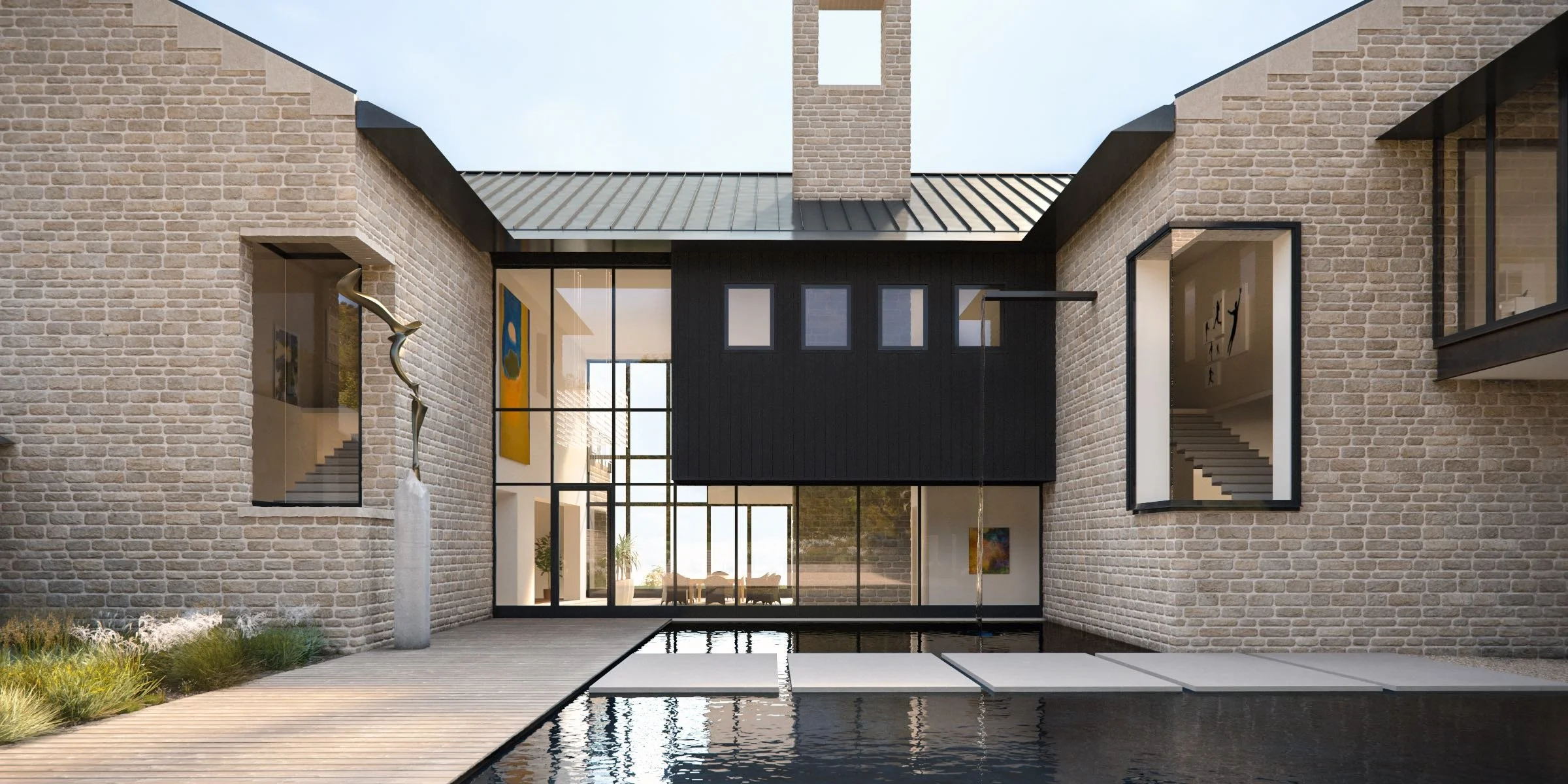
Why Hiring a Professional Designer Is Worth It?
Hiring a professional ensures your investment in a home is maximized. Designers provide guidance on high-quality materials, sustainable layouts, and eco-conscious practices, connecting with insights from Sustainable & Eco-Friendly Design in Architecture. This approach prevents waste, reduces maintenance stress, and ensures long-term value.
Professional designers also curate aesthetics aligned with a client’s personality and lifestyle. They can combine luxury elements with comfort and practicality, reflecting principles discussed in Indoor-Outdoor Living Designs for Homes in Malibu, California. AI cannot intuitively merge these elements into a cohesive, harmonious design.
Finally, designers oversee the entire process from concept to final installation. They coordinate with contractors, architects, and vendors to ensure seamless execution. AI may assist in planning, but only a human designer can bring a vision to life while navigating real-world complexities.
Quick Three-Line Takeaways on AI vs Human Designers
● AI is fast but lacks intuition: It generates multiple layouts but cannot sense emotional or practical needs.
● AI cannot interpret lifestyle: Human designers consider daily activities, personal taste, and cultural context.
● AI cannot innovate in real time: Only skilled designers adapt to unexpected remodeling challenges.
FAQs
Can AI tools completely replace professional interior designers?
No. AI can help with visualization and idea generation, but it cannot replicate intuition, creativity, or emotional intelligence in design.
Are AI tools useful for homeowners?
Yes. AI tools help explore layouts, colors, and materials, providing inspiration before consulting a designer.
How do designers add value beyond AI capabilities?
Designers combine technical expertise, aesthetics, and client lifestyle to create practical, customized, and cohesive spaces.
Can AI handle high-end remodels effectively?
AI can offer ideas, but luxury remodels require human judgment for superior finishes, integration, and precise customization.
Do professional designers consider environmental impacts better than AI?
Yes. Designers incorporate sustainable materials and local environmental factors, while AI may not fully account for regulatory or ecological constraints.