
Designing a Home That Feels Like a Retreat
A home should feel like a place where you can exhale. It should be beautiful, but equally important, it should feel calm, comfortable, and restorative. In a world that moves quickly, people are increasingly looking to their homes as a place of retreat, a space that brings them back to themselves and supports a sense of peace, privacy, and ease.
At Welch Design Studio and Welch Design Studio Interiors, we believe this feeling is never accidental. It is the result of a thoughtful integration of architecture, interiors, natural light, materials, furnishings, and landscape, all working together as one cohesive whole.
A true retreat is not about replicating a hotel or spa aesthetic. It is about creating a home that feels deeply livable, beautifully composed, and naturally connected to its surroundings.
It Starts With the Architecture
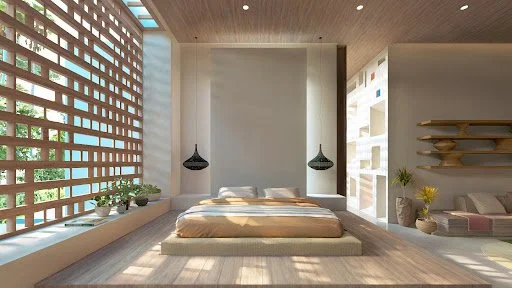
A home that feels like a retreat begins with the architecture.
Proportion, ceiling height, spatial relationships, and the placement of windows all play a critical role in shaping the atmosphere. Equally important is how rooms connect to one another, and how the home engages with natural light, views, and outdoor spaces.
When the architecture is thoughtfully considered, a sense of calm is established from the outset, before furnishings or finishes are even introduced.
A retreat-like home is defined by a natural and intuitive flow. Spaces should feel connected rather than fragmented, allowing for both openness and quiet separation where appropriate. Movement through the home should feel effortless and intentional.
A bedroom should feel sheltered and restful. A living room should feel welcoming and grounded. A kitchen should balance connection with functionality. Outdoor spaces should extend the interior experience, feeling like a seamless continuation of the home rather than a separate environment.
It is this sense of continuity, between spaces, materials, and the natural environment, that ultimately creates a home that feels peaceful, restorative, and complete.
The Interiors Should Feel Soft and Layered
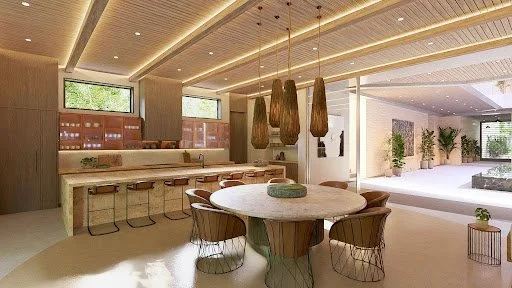
The interiors are what ultimately give a home its sense of warmth and personality.
A retreat-inspired home should never feel cold, minimal to the point of sterility, or overly decorated. Instead, it should feel layered, comfortable, and effortlessly livable.
Natural materials play a central role in creating this atmosphere. Wood, stone, linen, wool, plaster, clay, cotton, leather, and woven textures all bring depth, tactility, and warmth. These materials ground a space and make it feel more authentic and less artificial.
Rather than filling every surface or corner, the intention should be to select fewer, more meaningful elements and allow the architecture and interiors to breathe.
A well-placed rug, soft drapery, comfortable upholstery, textured wall finishes, warm wood tones, and handcrafted details can significantly shift the feeling of a room. These layers create comfort and softness without visual clutter. A truly restorative home balances ease with refinement, feeling relaxed, yet still considered.
Natural Light Changes Everything
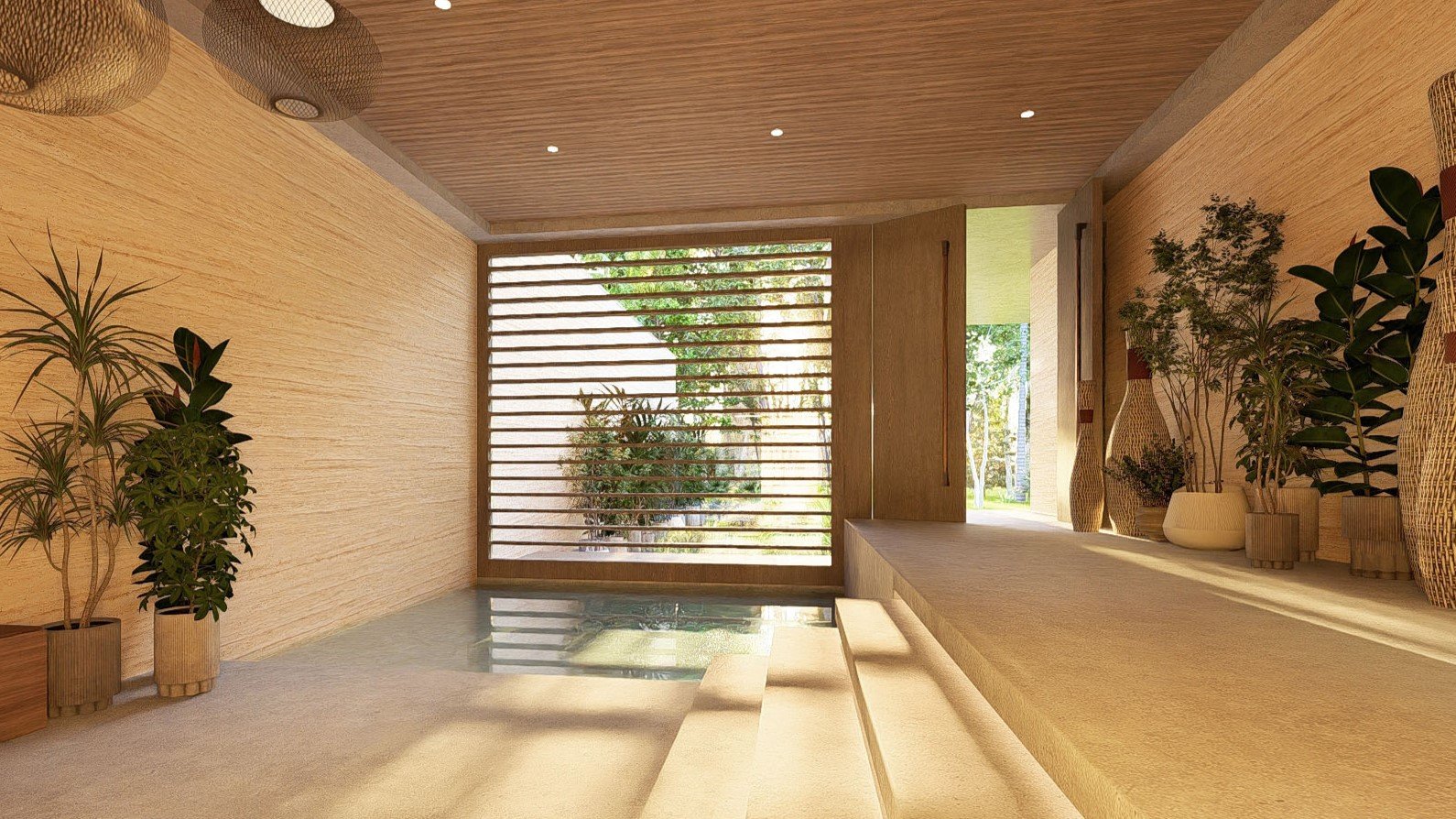
Natural light is one of the most powerful tools in creating a calm and restorative home.
It transforms how a space is experienced throughout the day. Morning light can make a kitchen feel bright and energized. Soft afternoon light can bring a sense of quiet to a bedroom. Evening light can create warmth and intimacy in shared living spaces.
In our design process, we carefully consider how light moves through a home: how it enters, where it is directed, what views it frames, and how it interacts with materials at different times of day. A retreat-like home should always feel gentle, never harsh or overexposed.
This is why layered lighting is essential. Natural light is supported by a thoughtful combination of recessed lighting, sconces, pendants, table lamps, picture lights, and cove lighting. Together, these sources create depth, flexibility, and atmosphere.
Lighting should always feel intentional and integrated, enhancing both the architecture and interiors rather than competing with them.
Connection to Nature Matters
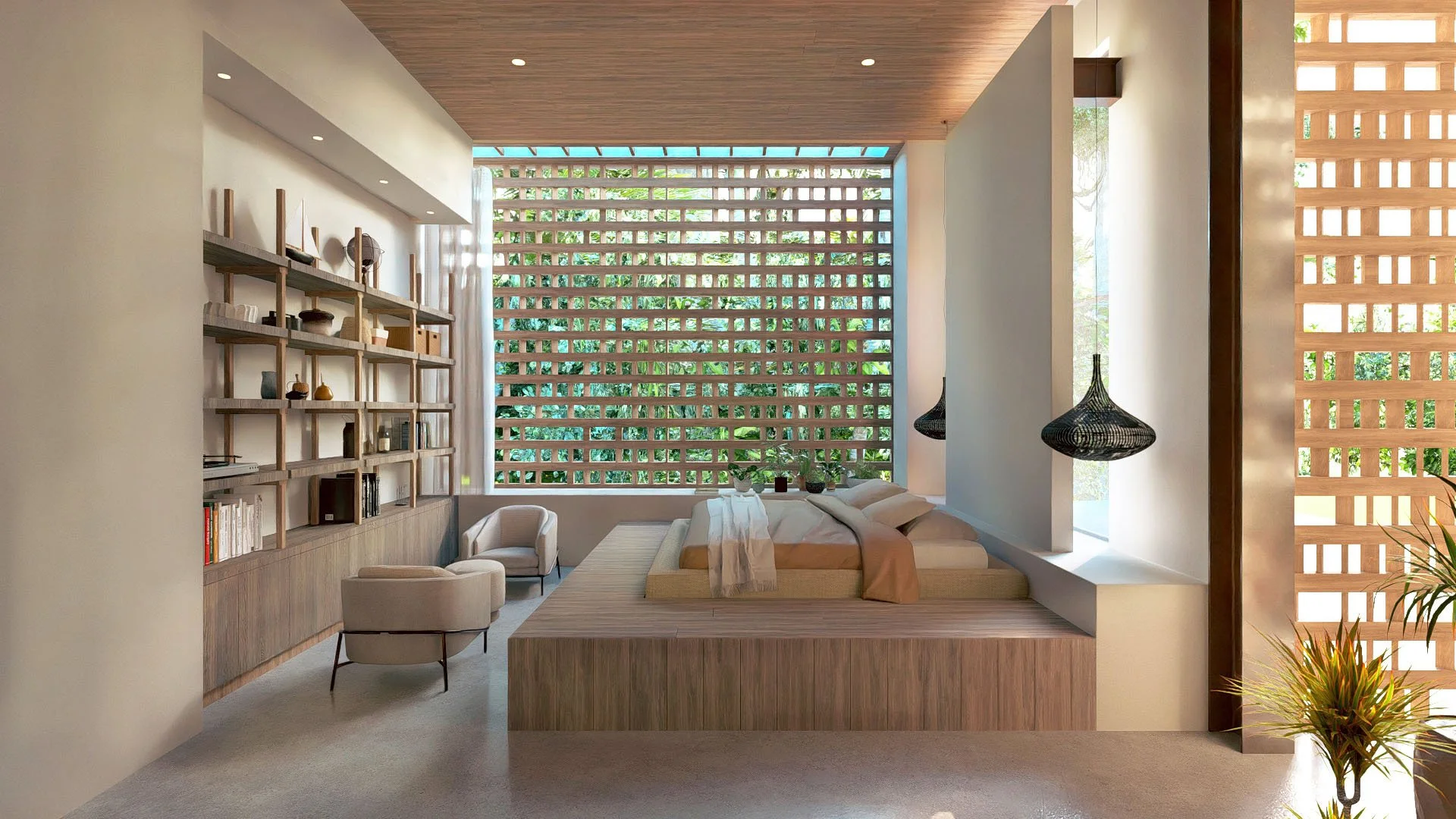
A truly restorative home is one that maintains a strong connection to nature.
This connection can take many forms: a sweeping view, a garden, a courtyard, a pool, a terrace, or even a single tree framed by a window. While not every home has dramatic surroundings, every home can establish a meaningful relationship with the outdoors.
This connection can be achieved through natural light, landscape design, material choices, or the way interior spaces open to exterior environments. Whenever possible, indoor and outdoor living should feel continuous rather than separate.
Sliding doors, covered terraces, outdoor seating areas, garden paths, fountains, and planted courtyards all contribute to this sense of integration.
There is something inherently grounding about seeing greenery, water, sky, or natural movement from within the home. It encourages pause, calm, and a deeper sense of presence within the space.
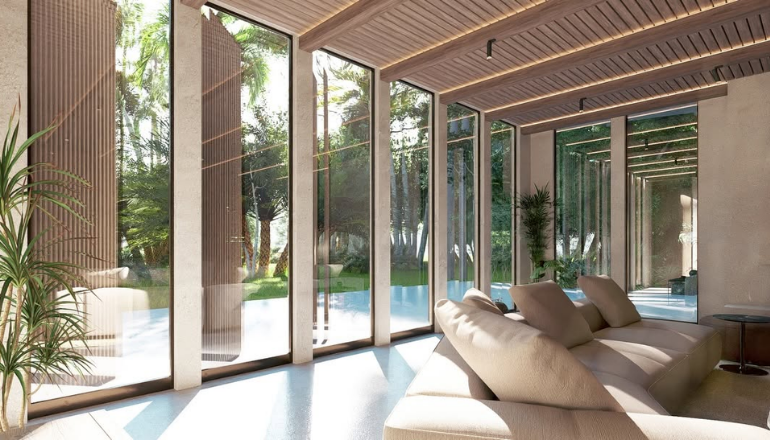
Simplicity Helps a Home Feel Calm
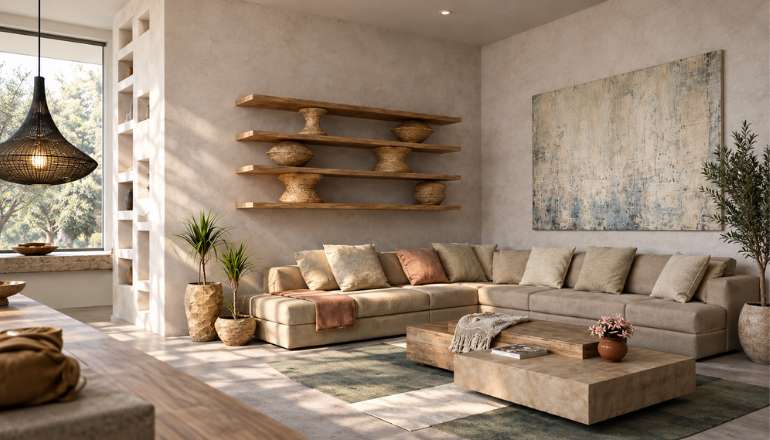
A retreat-like home is typically guided by a sense of restraint.
This does not mean it should feel empty, minimal, or lacking character. Rather, it means the space is free from visual overload, avoiding unnecessary clutter, competing elements, or excessive decoration that can overwhelm the experience of the home.
When too many materials, patterns, colors, or design ideas are introduced without intention, a space can begin to feel busy and fragmented. In contrast, a calm interior is defined by clarity. It allows architecture, light, materials, and furnishings to exist with space and purpose. Simplicity gives a home room to breathe.
The most successful retreat-like interiors often feel effortless. They do not appear over-designed or forced; instead, they feel collected, intentional, and quietly resolved. Every element has a reason for being there, every material feels connected, and every room supports the way the client wants to live.
Comfort Is Just as Important as Beauty
A retreat should be visually beautiful, but it must also be genuinely comfortable.
A space can photograph well and still fall short if it does not invite people to actually live in it. Furniture should feel welcoming, fabrics should be pleasant to touch, lighting should be flattering and soft, and layouts should support ease of movement and daily use.
At Welch Design Studio and Welch Design Studio Interiors, we consider how each space will truly be experienced. Where someone will sit at the end of the day, where guests will gather, where morning coffee is enjoyed, where reading happens, and where moments of quiet naturally unfold.
These everyday rituals are what transform a house into a retreat.
The Home Should Feel Personal
A true retreat never feels generic.
It reflects the people who live within it: their routines, collections, travels, artwork, family life, and the way they want to feel in their home. The most compelling interiors are not derived from trends or templates; they are shaped specifically around the client.
A home can be calm while still expressing personality. It can be refined while still feeling warm. It can be simple while still feeling layered and rich in detail.
That balance is what makes a space feel truly special.
Why It Matters
Designing a home as a retreat goes beyond aesthetics.
It is about creating a space that actively supports daily life: a place that encourages calm, provides comfort, and offers a sense of return at the end of each day. It should feel both beautiful and functional, but also deeply personal.
At Welch Design Studio and Welch Design Studio Interiors, we believe the most successful homes are designed as complete, integrated experiences. Architecture, interiors, light, materials, furnishings, and landscape should all work together as one cohesive vision.
Because a home should not only look beautiful.
It should feel like a place you never want to leave.