
What We Look For When Selecting Materials
Materials are one of the most fundamental elements of both architecture and interior design. A space is defined not only by its layout, furnishings, or overall composition, but also by the way its materials feel, age, perform, and contribute to the broader design vision.
At Welch Design Studio and Welch Design Studio Interiors, we prioritize materials that feel authentic and long lasting. We look for depth, warmth, texture, and longevity, qualities that allow a space to evolve gracefully over time.
The right materials should not only look beautiful at the moment of installation; they should continue to feel relevant and refined years into the life of the home.
Material selection is not driven by trend or novelty. It is a considered process rooted in how each choice supports the architecture, enhances the interiors, reflects the client, and responds to the realities of daily living.
Materials Help Tell the Story of the Home
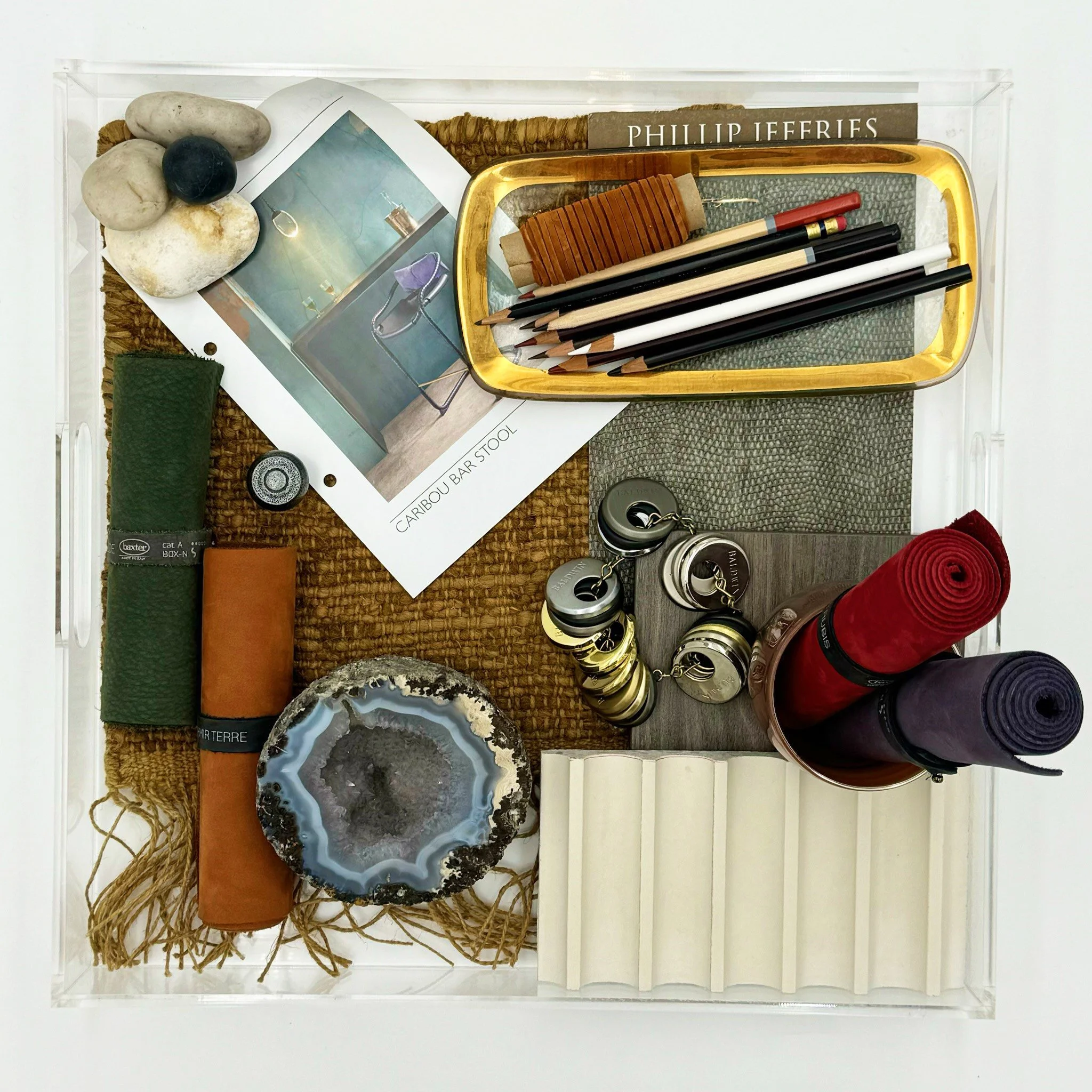
Every home carries its own distinct character. Some are intended to feel calm and understated, others sculptural and dramatic, and others warm, layered, and collected over time.
Materials are what bring that character to life. Stone, wood, plaster, metal, tile, linen, leather, and wool each carry a different emotional and visual quality. They shape the atmosphere of a space even before furniture or décor are introduced.
A limestone floor can feel grounded and quiet. A warm wood ceiling can soften a room. Plaster walls can capture light in a subtle, shifting way. Handmade tile introduces texture and imperfection that brings personality. Soft textiles make a space feel more intimate and livable. Materials are not simply decorative, they are fundamental to how a space is experienced.
The Materials Should Support the Architecture
Materials should always feel aligned with the architecture of the home.
They should never feel arbitrary or added as an afterthought. Instead, they should feel embedded in the logic and language of the structure itself.
A modern home may call for restraint, clean lines, and quiet textures. A traditional home may favor richer detailing, warmer woods, natural stone, and more classical proportions. A coastal home may lean toward lighter materials, softer tones, and a stronger connection to the outdoors.
Rather than selecting materials in isolation, the goal is to choose them in response to the architecture, its proportions, light, spatial flow, and overall intent.
When architecture and interiors are developed together, the material palette becomes far more cohesive. Flooring, cabinetry, stone, tile, hardware, lighting, and furnishings work in harmony rather than competition.
We Look for Materials That Age Beautifully
An essential part of material selection is understanding how a material will age over time.
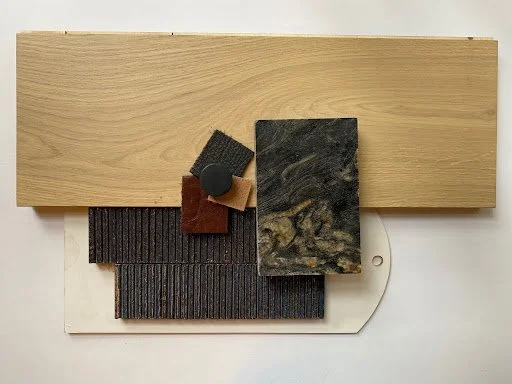
Some materials lose their appeal quickly, while others develop greater richness and character with use. Natural wood, stone, marble, limestone, plaster, brass, linen, and leather often soften and patinate over time in ways that enhance their beauty rather than diminish it.
These materials do not rely on perfection. Their evolution is part of their value.
A home should feel enduring rather than disposable. For this reason, we prioritize materials with depth, texture, and a sense of permanence.
Beauty Has to Work With Real Life
Materials must be beautiful, but they must also be functional.
Every space carries different demands. Kitchens, bathrooms, living areas, hallways, and outdoor environments all require materials that respond appropriately to use, movement, moisture, and wear.
Flooring must withstand daily circulation. Countertops must perform under heat, cleaning, and frequent use. Upholstery must balance comfort with durability. Cabinetry must be both functional and resilient. Exterior materials must respond to sun, weather, and time.
Good design is not defined by appearance alone, it is defined by how well it lives.
Texture Is Everything
Texture is one of the most powerful tools in creating a layered and inviting home.
A space composed only of flat or uniform surfaces can feel cold or static. When a range of textures is introduced, the environment becomes more dynamic and alive.
Wood, stone, plaster, woven textiles, wool, linen, leather, handmade tile, and metal each contribute a different sensory quality. Some absorb light, others reflect it. Some are smooth, others tactile or irregular.
This interplay creates depth and richness.
A successful material palette balances softness and structure, warmth and restraint, simplicity and detail.
Materials Create an Emotional Response
People feel materials, even if they do not always realize it.
They feel the warmth of wood, the coolness of stone, the softness of fabric, and the subtle texture of plaster. They notice how light interacts with surfaces and how a space sounds and feels as they move through it.
These subtle experiences shape how a home is perceived emotionally.
For this reason, we prioritize materials that feel authentic and connected to the client. The goal is not to create a space that feels staged or overly perfect, but one that feels comfortable, grounded, and personal.
A home should have a soul.
Sustainability and Health Matter
Material selection also carries responsibility.
We consider durability, environmental impact, and indoor air quality in every decision. Low-VOC finishes, natural fibers, responsibly sourced wood, and long-lasting materials are always prioritized when possible.
A material that lasts longer is often more sustainable simply because it reduces the need for replacement. Healthier finishes also contribute to the long-term well-being of the people who live in the home.
Good design should be beautiful, but it should also be thoughtful and responsible.
Restraint Makes the Palette Stronger
A strong material palette is not defined by quantity, but by clarity.
Too many materials can create visual noise while a more restrained approach allows each material to have meaning and purpose.
Stone should relate to wood. Wood should relate to plaster. Hardware should relate to lighting. Fabrics should reinforce the overall mood of the architecture.
Everything should feel connected.
Restraint is not about limitation, it is about allowing materials to breathe and allowing key details to stand out.
The Details Matter
How materials come together is just as important as the materials themselves.
The edge of a countertop, the thickness of a shelf, the turn of a stone corner, the transition between wood and tile, the reveal between surfaces, the finish of hardware, and the alignment of cabinetry with architecture all shape the final experience of a space.
These details may be subtle, but they define the quality of the design.
They are what make a home feel resolved, intentional, and complete.
What We Look For
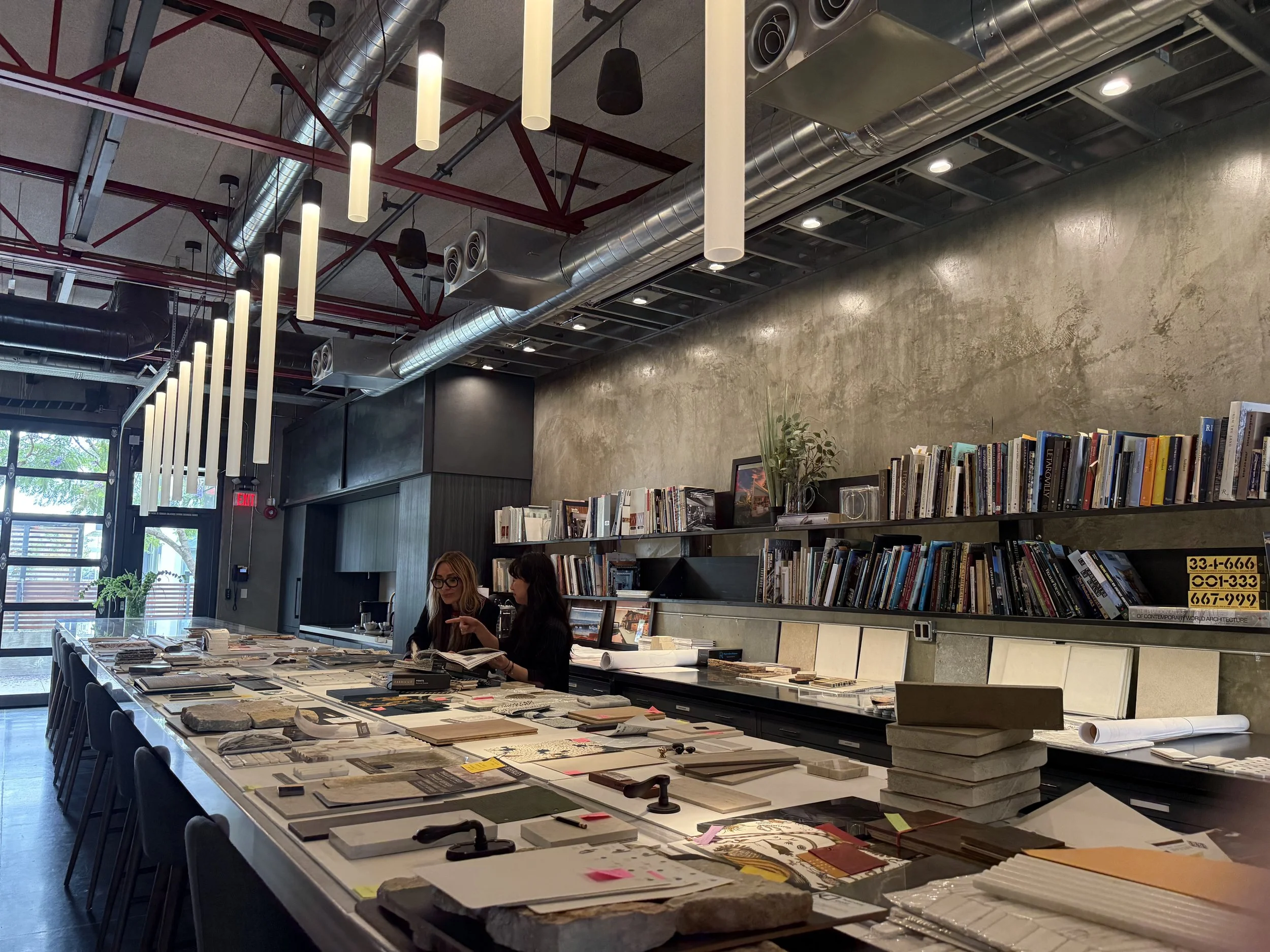
When selecting materials, we look beyond surface beauty.
We look for warmth.
We look for texture.
We look for quality.
We look for durability.
We look for authenticity.
We look for alignment with the architecture.
We look for materials that age well.
We look for materials that feel good to live with.
The most impactful materials are not always the most visually dominant. Often, the quietest choices create the most lasting impression.
Why It Matters
Materials shape the entire experience of a home.
They influence light, atmosphere, comfort, acoustics, functionality, and emotional tone. They are not separate from the architecture, they are an integral part of it.
The right materials do more than make a home look beautiful.
They make it feel beautiful.