
How to Design a Modern Family Home That Still Feels Warm?
Modern architecture is often associated with clean lines, expansive glass, and minimalist design, but many homeowners worry that these features can make a home feel cold or impersonal. For growing families, a home needs to do more than look beautiful—it should provide a comfortable, welcoming environment that supports everyday living. The good news is that modern family home design can successfully balance contemporary aesthetics with warmth, creating spaces that are both visually striking and genuinely livable.
This guide explores how to design a modern family home that feels inviting without sacrificing the simplicity and elegance of contemporary architecture. From choosing warm, natural materials to creating functional floor plans that encourage connection, we'll cover the key design decisions that help transform a sleek modern house into a comfortable family home. Whether you're building from the ground up or working with a modern residential architect in Los Angeles on a renovation, these ideas will help you create a home that is timeless, practical, and designed for the way your family lives.
What Makes Modern Family Home Design Feel Cold?
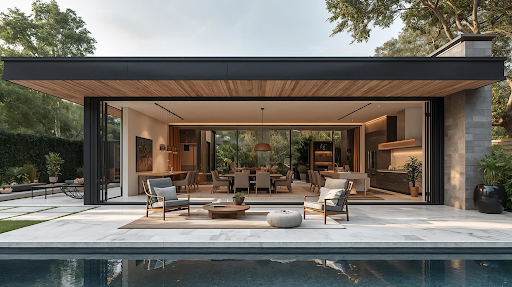
Understanding why some modern homes feel unwelcoming is the first step toward avoiding those pitfalls in your own project. In many cases, the issue comes down to a few common design choices. An overuse of hard, reflective materials—such as polished concrete, glass, and high-gloss white cabinetry—can make a space feel sterile rather than inviting. Without the balance of softer textures, these surfaces reflect light harshly and create an environment that lacks warmth and comfort.
A limited color palette can also contribute to this effect. While white, gray, and black create a clean, contemporary look, relying on these tones alone can make a home feel flat and impersonal, especially in spaces where families spend the most time. Incorporating warm neutrals, natural wood tones, and subtle color variations helps create a more welcoming atmosphere without sacrificing a modern aesthetic.
Another common mistake in modern family home design is prioritizing open-concept layouts to the point that they lose a sense of intimacy. Large, open spaces with soaring ceilings can be visually impressive, but without thoughtfully defined gathering areas, varied ceiling heights, or comfortable furnishings, they can feel more like a gallery than a home. Creating distinct zones for relaxing, dining, and spending time together helps make open floor plans feel more functional and family-friendly.
Recognizing these design challenges early allows homeowners and their design team to create a modern home that balances clean architectural lines with warmth, comfort, and everyday livability.
Core Principles for a Warm Modern Family Home
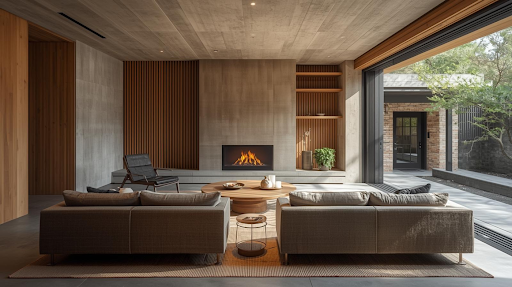
Layer Natural Materials: Combine wood, natural stone, woven textiles, and other organic materials with clean architectural lines to create warmth, texture, and visual balance throughout the home.
Incorporate Layered Lighting: Use a combination of ambient, task, and accent lighting at varying heights. Warm color temperatures and dimmable fixtures help soften the crisp look often associated with modern interiors while creating a more inviting atmosphere.
Create Comfortable Gathering Areas: Even within an open floor plan, define cozy spaces for conversation, reading, or family time. Features such as built-in seating, area rugs, fireplaces, or lower ceiling treatments can make large spaces feel more intimate.
Choose a Warm Color Palette: Replace stark whites and cool grays with warm neutrals, earthy tones, and soft natural colors that maintain a modern aesthetic while making the home feel more welcoming.
Prioritize Durable, Family-Friendly Finishes: Select high-performance fabrics, resilient flooring, and easy-to-maintain surfaces that can withstand daily use from children and pets without sacrificing style.
Balance Openness with Definition: Open-concept layouts work best when thoughtfully organized. Partial walls, built-in cabinetry, shelving, or subtle changes in ceiling height or flooring can define different living areas while preserving an open, connected feel.
Floor Plan Strategies That Balance Openness and Comfort
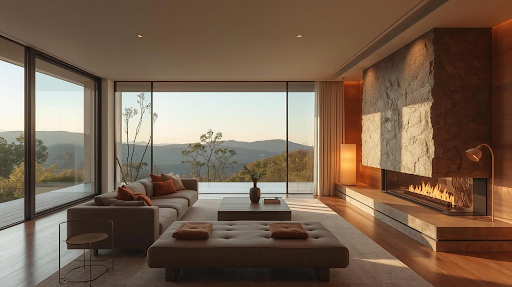
Open floor plans remain a defining feature of modern family home design, but the most successful layouts include subtle ways to define individual spaces rather than creating one large, undifferentiated room. Design elements such as varying ceiling heights, changes in flooring materials, partial walls, built-in shelving, or strategically placed furniture can visually separate living, dining, and kitchen areas while maintaining the openness, natural light, and sightlines that families value. This approach allows a modern residential architect in Los Angeles to create spaces that feel connected without sacrificing comfort or functionality.
A well-designed floor plan should also reflect the unique needs of the family from the earliest stages of the design process. A household with young children, for example, will have different priorities than one with teenagers or multiple generations living under the same roof. Features such as mudrooms near garage entrances, dedicated homework or study areas adjacent to the kitchen, flexible play spaces, and secondary living rooms provide practical solutions for everyday life while helping the home adapt as the family grows.
The best modern family homes balance clean architectural design with thoughtful planning. By considering daily routines, storage needs, and the way family members interact with each space, homeowners can create a layout that feels open, organized, and comfortable for years to come—without the need for costly modifications after construction begins.
Material and Texture Choices for Everyday Warmth
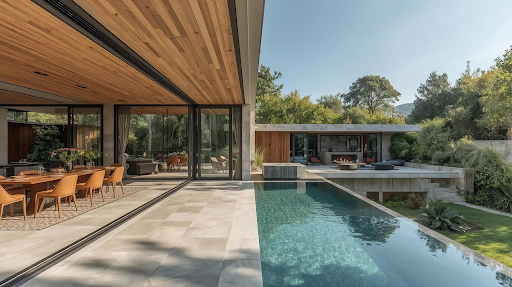
Warm Wood Tones: Walnut and white oak flooring, cabinetry, or millwork introduce natural warmth that beautifully balances the clean lines of modern architecture.
Textured Upholstery: Fabrics such as boucle, linen, and performance velvet soften contemporary furniture while providing the durability needed for everyday family living.
Natural Stone with Character: Stone surfaces featuring visible veining, subtle movement, or natural texture add depth and visual interest without overwhelming a modern design.
Layered Area Rugs: Natural fiber rugs help define open living spaces while adding warmth, texture, and a soft surface for children to play on.
Matte and Honed Finishes: Choosing matte cabinetry, honed stone, and low-sheen finishes reduces harsh light reflection and creates a more comfortable, welcoming atmosphere.
Woven and Handcrafted Accents: Elements such as rattan pendant lights, woven baskets, handcrafted ceramics, and natural textiles introduce warmth and personality while complementing a clean, contemporary aesthetic.
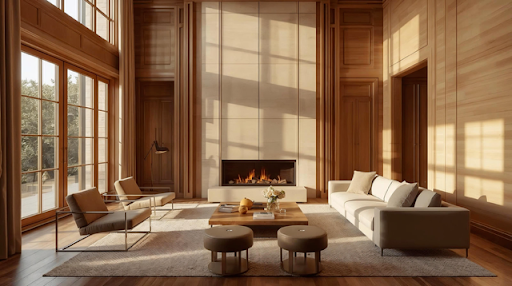
Designing Family-Friendly Spaces Without Losing Modern Style
One of the biggest challenges in modern family home design is accommodating the realities of everyday life—such as toy storage, homework stations, and durable finishes—without compromising a clean, contemporary aesthetic. Thoughtfully integrated storage solutions built into cabinetry and custom millwork help keep everyday clutter out of sight while preserving the simplicity and visual calm that define modern design. Features such as built-in window seats, breakfast nooks, reading corners, and multifunctional shelving provide practical spaces for family life while enhancing the home's architectural character.
Durability should also be a priority from the beginning of the design process. Families need materials that can withstand daily wear without sacrificing style. High-performance upholstery fabrics, scratch-resistant engineered stone, durable hardwood flooring, and matte finishes that minimize fingerprints and smudges all contribute to a home that remains beautiful over time. Choosing resilient, low-maintenance materials allows homeowners to enjoy a polished, modern look without worrying about the demands of everyday living.
An experienced modern residential architect in Los Angeles can help homeowners strike the right balance between aesthetics and functionality by selecting materials and design solutions that support both. The most successful modern family homes are those that combine thoughtful storage, durable finishes, and flexible living spaces with timeless architecture—creating environments that are as practical as they are beautiful.
Choosing a Modern Residential Architect Los Angeles Families Can Trust
Look for Family-Focused Experience: Choose a modern residential architect in Los Angeles with a portfolio that demonstrates experience designing homes for families, not just visually impressive showcase projects. A family home should be both beautiful and highly functional.
Discuss Your Lifestyle in Detail: The best architects take time to understand your daily routines, family dynamics, hobbies, and long-term goals. These conversations help shape a home that truly reflects the way your family lives.
Review How Past Projects Have Aged: Ask to see completed homes that have been lived in for several years. This provides insight into how the architect's layouts, material selections, and design decisions perform over time in real family environments.
Confirm a Collaborative Design Process: Look for an architect who values ongoing collaboration throughout the design phase. A successful custom home evolves through open communication and thoughtful feedback rather than a one-time design presentation.
Ask About Indoor-Outdoor Living: In Southern California, seamless connections between indoor and outdoor spaces are essential. An experienced architect should know how to integrate patios, courtyards, and outdoor living areas into the home's overall design.
Consider Long-Term Flexibility: A well-designed modern family home should be able to adapt as your family's needs change. Flexible rooms, ample storage, and spaces that can evolve help ensure the home remains functional for years to come.
Frequently Asked Questions
1. Can a modern home really feel warm and family-friendly?
Absolutely. A modern family home can feel warm and inviting by combining clean architectural lines with natural materials, layered lighting, and thoughtfully designed living spaces. Wood, stone, textured fabrics, and warm color palettes help soften contemporary interiors, while cozy gathering areas create a comfortable environment for everyday family life. The key is balancing minimalist design with warmth, texture, and functionality.
2. What colors work best for a warm modern family home?
Warm neutrals such as soft beige, warm white, greige, camel, and muted terracotta create an inviting foundation while maintaining a modern aesthetic. These tones pair beautifully with natural wood, stone, and other organic materials. Accent colors like olive green, deep blue, or earthy brown can add depth and personality without overwhelming the overall design.
3. How do I make an open floor plan feel cozy for a family?
Open floor plans feel more comfortable when they include subtle visual separation between living areas. Changes in ceiling height, built-in shelving, fireplaces, area rugs, lighting, and furniture placement can help define different zones while maintaining an open, connected layout. An experienced modern residential architect in Los Angeles can design a floor plan that balances openness with privacy and everyday functionality.
4. What should I prioritize when hiring an architect for a family home?
Look for an architect with proven experience designing homes for families, not just visually impressive residences. They should understand the importance of practical storage, durable materials, flexible spaces, and layouts that support daily routines. Strong communication and a collaborative design process are equally important to ensure the home reflects your family's lifestyle and long-term needs.
5. How much does it cost to design a modern family home in Los Angeles?
Design costs vary depending on the home's size, complexity, site conditions, and level of customization. Architectural fees typically range from 8% to 15% of total construction costs, while luxury custom homes in Los Angeles often cost $500 to $1,200 or more per square foot to build. Meeting with a modern residential architect early in the planning process can help establish a realistic budget and project scope.
6. What materials hold up best to daily wear in a modern family home?
The best materials combine durability with timeless style. Performance fabrics, engineered quartz, porcelain tile, matte finishes, and high-quality hardwood flooring are excellent choices for busy households because they resist everyday wear while maintaining a refined appearance. Durable natural fiber rugs and easy-to-maintain surfaces also help create a home that is both beautiful and practical for family life over the long term.
Our recent blog