
The Role of Architecture in Shaping Family Legacies
A home is more than a structure built from walls, windows, and carefully selected materials. For many families, it becomes the setting for celebrations, traditions, everyday routines, and memories that continue across generations. Architecture plays an important role in shaping family legacies because a thoughtfully designed residence can preserve meaningful experiences while adapting to the changing needs of the people who call it home.
A well-planned family residence can become part of a family's story for decades. From gathering spaces designed for celebrations to quiet corners that become personal retreats, architectural decisions influence how people experience and remember a home. When functionality, craftsmanship, and personal identity are considered together, architecture can create an environment capable of supporting generations of family life.
Architecture as a Foundation for Family Memories
Every family develops its own traditions, whether that means hosting holiday dinners, gathering around the kitchen, enjoying outdoor meals, or spending quiet evenings together. Architecture can support these traditions by creating spaces that naturally encourage interaction and connection.
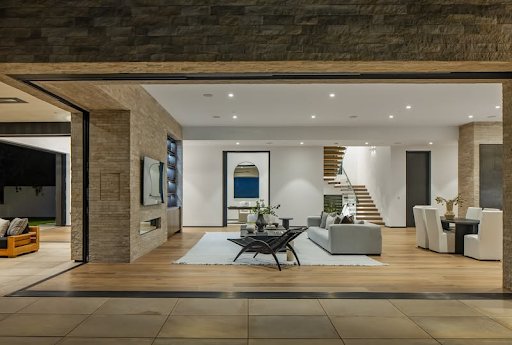
An open kitchen connected to a dining and living area, for example, can become a central gathering point. Outdoor terraces, courtyards, libraries, and family rooms can provide additional settings where everyday experiences gradually become lasting memories. These spaces demonstrate how family-centered architecture can influence the emotional character of a residence.
Designing a Home Around Family Values
A meaningful family home should reflect more than architectural preferences. It can also express values such as hospitality, privacy, connection to nature, craftsmanship, sustainability, or simplicity. These priorities can guide everything from the overall floor plan to the selection of materials and architectural details.
When architects understand what matters most to a family, they can translate those values into physical spaces. This creates personalized residential design where architecture becomes an expression of the people who live there rather than simply a collection of fashionable design elements.
Creating Spaces That Bring Generations Together
Multigenerational living has become an increasingly important consideration for residential design. Homes may need to accommodate children, parents, grandparents, or extended family members while still providing appropriate levels of independence and privacy.
A custom floor plan can include private suites, flexible bedrooms, secondary living areas, accessible bathrooms, and shared gathering spaces. Thoughtful multigenerational home design allows different generations to live comfortably under one roof while maintaining opportunities for meaningful interaction.
Designing for Changing Family Needs
Families rarely remain the same throughout the lifetime of a home. Children grow older, work arrangements change, relatives may move in, and homeowners may eventually require more accessible spaces. Architecture should therefore anticipate change rather than designing exclusively around present circumstances.
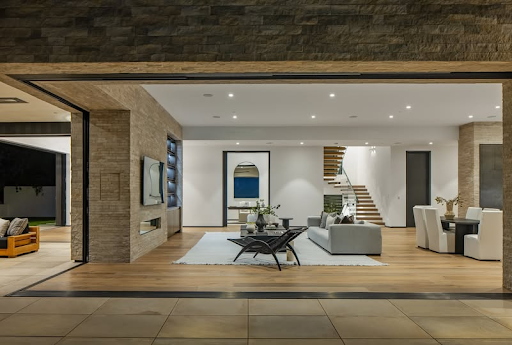
Flexible rooms, adaptable furniture arrangements, generous circulation paths, and strategically planned storage can help a home evolve. This approach to future-ready architecture allows the property to remain useful without requiring major structural changes every time family circumstances shift.
The Emotional Importance of Gathering Spaces
Some of the most memorable moments in a family home happen in shared spaces. Dining rooms, kitchens, great rooms, patios, and gardens can encourage conversation and create opportunities for families to spend meaningful time together.
The proportions, lighting, acoustics, and relationship between these areas can influence how welcoming they feel. Good residential space planning considers not only how rooms look but also how people naturally move, gather, interact, and connect within them.
Preserving Family History Through Design
Architecture can also provide ways to incorporate elements of a family's history. Heirloom furniture, inherited artwork, photographs, collected objects, reclaimed materials, or architectural details from an earlier property can become meaningful parts of a new home.
Rather than treating these elements as separate decorations, designers can integrate them into the broader architectural concept. This creates a sense of continuity and allows heritage-inspired interior design to connect previous generations with the family's future.
The Value of Timeless Architecture
A home intended to remain within a family should ideally avoid becoming dependent on short-lived trends. While contemporary features can certainly have a place, timeless proportions, quality materials, natural light, and thoughtful detailing often have greater longevity.
A timeless residential design can also provide flexibility when future generations want to update furniture, artwork, colors, or technology. The architectural foundation remains strong while the interior can evolve with changing tastes and lifestyles.
Connecting the Home With Its Environment
The surrounding landscape can become another part of a family's legacy. Gardens, mature trees, courtyards, outdoor dining areas, and framed views can provide spaces where traditions develop over many years.
Architectural orientation can help maximize natural light, outdoor connections, and views while creating appropriate privacy. Indoor-outdoor architecture can make gardens and terraces feel like genuine extensions of the home, giving families additional places to gather and create memories.
Craftsmanship That Can Stand the Test of Time
Family legacy is closely connected to longevity. Materials and construction methods should therefore be selected with durability and maintenance in mind. Quality woodwork, stone, metal detailing, custom millwork, and carefully executed architectural features can contribute to a home's lasting character.
Investing in architectural craftsmanship can also create details that become recognizable parts of the family's environment. Over time, these features may develop their own stories and associations, making the physical home increasingly connected to family history.
Sustainability as a Generational Investment
A family's legacy can also include responsibility toward future generations. Sustainable architectural strategies can improve a home's efficiency, comfort, and long-term performance while reducing unnecessary environmental impact.
Passive solar orientation, natural ventilation, efficient glazing, insulation, water-conscious landscaping, and energy-efficient systems can all contribute to sustainable home architecture. Designing responsibly today can help ensure that the property remains efficient and comfortable for those who inherit it tomorrow.
How Custom Architecture Strengthens a Family Legacy
Standardized floor plans may provide convenience, but custom architecture offers an opportunity to design specifically around a family's story. Every room, connection, material, and detail can be considered in relation to the way the household lives and the experiences it hopes to create.
A custom family home can therefore become more than an investment property. It can serve as a physical representation of family values, memories, traditions, and aspirations, giving future generations a meaningful place to gather and build their own experiences.
Building Something That Outlasts a Generation
The true role of architecture in shaping family legacies is not simply about creating an impressive residence. It is about designing an environment capable of supporting relationships, traditions, personal growth, and changing lifestyles over time.
When architecture combines functionality with emotional meaning, craftsmanship with adaptability, and beauty with long-term performance, a house can become part of a family's identity. Architecture shapes family legacies by giving generations a physical place where stories begin, traditions continue, and new memories are created.
Our recent blog