
7 Architectural Details That Make Every Home Feel Custom
Not every custom-feeling home requires a complete architectural overhaul, and the 7 architectural details that make every home feel custom prove that even modest interventions can transform a builder-grade space into something distinctly personal. It's often the small, intentional touches, rather than square footage or budget, that separate a house from a truly custom-feeling home. Homeowners and architects alike are recognizing that character lives in the details most people overlook.
In this guide, we break down the 7 architectural details that make every home feel custom, exploring why each one carries such outsized impact on how a space feels and functions. From ceiling treatments to hardware finishes, these elements work together to create a sense of intention throughout a property. Understanding these details can help homeowners prioritize renovations that deliver the greatest visual and emotional payoff.
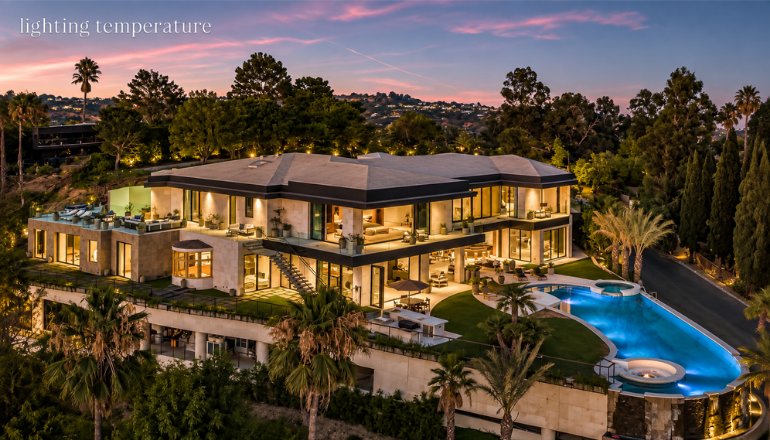
Layered Ceiling Treatments
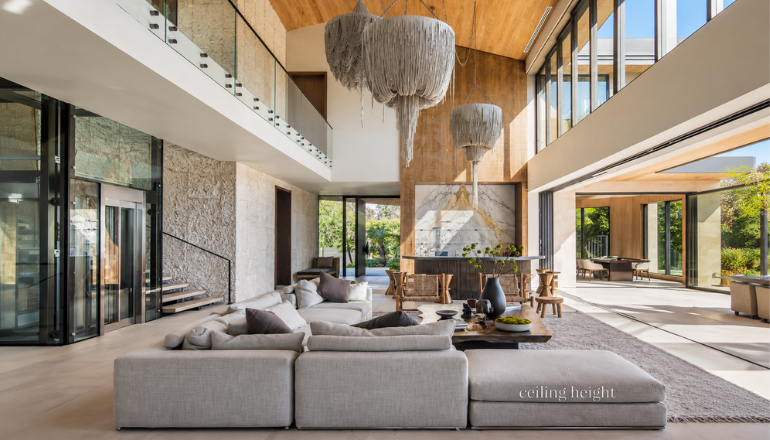
A flat, builder-grade ceiling is one of the fastest ways to make a home feel generic, while coffered beams, tray details, or exposed wood paneling instantly elevate a room's perceived quality. These treatments add dimension and draw the eye upward, making spaces feel more considered and architecturally rich. Even a single accent ceiling in a dining room or primary suite can shift the entire tone of a home.
Custom ceiling details also allow homeowners to introduce texture and material contrast without disrupting the flow of walls or flooring. Wood beams paired with white plaster, for example, create warmth against a clean backdrop without feeling heavy-handed. Among the details that consistently signal custom-level design, ceiling treatment ranks as one of the most transformative and cost-effective choices available.
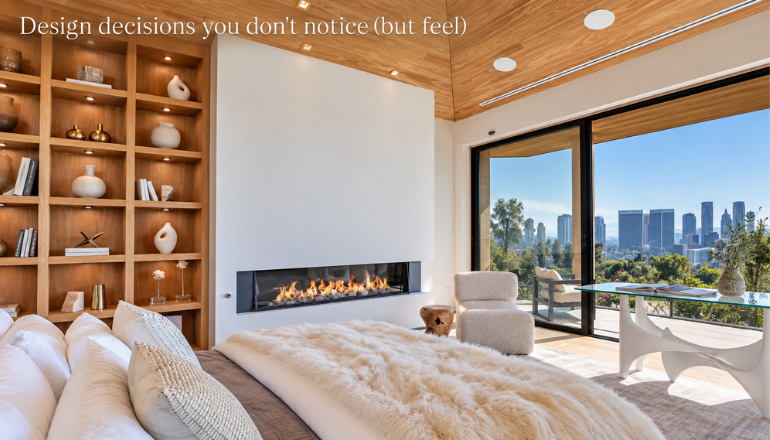
Intentional Millwork and Custom Trim
Custom millwork, including wainscoting, picture-frame molding, and oversized baseboards, brings a level of craftsmanship that mass-built homes typically lack. These details add subtle rhythm and proportion to walls that would otherwise feel flat and undefined. Even simple trim upgrades around doors and windows can dramatically improve a room's sense of finish and intentionality.
Built-in shelving and cabinetry, designed specifically for a home's dimensions rather than purchased off the shelf, further reinforce this custom feel throughout living spaces. These pieces integrate seamlessly into the architecture, appearing as though they were part of the original design rather than an afterthought. This attention to trim and millwork remains one of the most reliable ways to make a home feel genuinely custom.
Statement Hardware and Fixtures
Unlacquered Brass Pulls: Solid brass hardware that develops a natural patina over time adds warmth and a sense of permanence to cabinetry. This aging process makes each piece feel more authentic than plated alternatives.
Sculptural Door Handles: Oversized or uniquely shaped door hardware transforms a purely functional element into a design statement. Guests often notice these details immediately upon entering a room.
Custom Cabinet Knobs: Mixing finishes or selecting artisan-made knobs adds individuality to kitchens and bathrooms that would otherwise feel standardized. This small detail carries significant visual weight.
Vintage-Inspired Faucets: Fixtures with unique silhouettes or finishes reference classic design eras while still functioning with modern reliability. This blend of old and new adds depth to a space.
Statement Light Switches: Upgraded switch plates and dimmers in matte black or brass finishes complete a room's hardware story down to the smallest detail. This consistency signals thoughtful design throughout.
Custom Address Numbers: Even exterior hardware, like hand-forged house numbers, contributes to a home's overall sense of craftsmanship. First impressions matter, and this detail sets the tone before guests even step inside.
Thoughtful Window Placement and Custom Millwork Framing
Windows positioned to frame specific views, rather than placed purely for symmetry, create a sense of intentionality that generic floor plans rarely achieve. Architects designing custom homes often walk a site extensively before finalizing window placement, ensuring each opening captures something meaningful outside. This deliberate approach transforms windows from functional necessities into curated moments within the home.
Custom millwork surrounding these windows, including deep sills or built-in bench seating, further enhances their architectural presence. These details invite people to pause and interact with the window rather than simply walking past it. This level of consideration is precisely what separates a custom-feeling home from a standard production build.
Natural Material Transitions
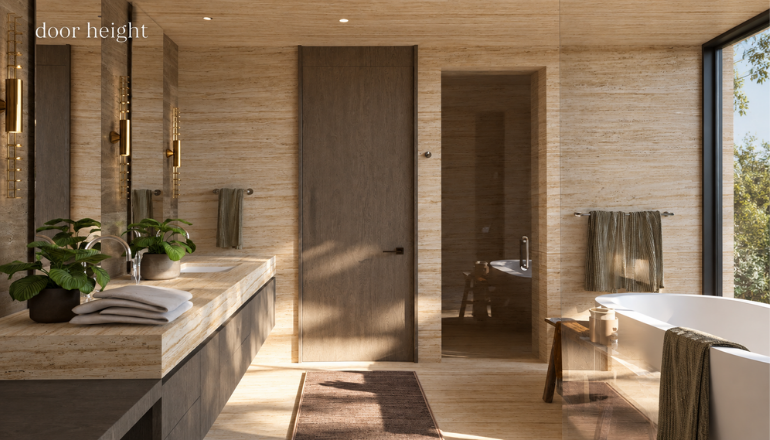
Homes that feel truly custom often use natural materials, such as stone, wood, and plaster, to create deliberate transitions between spaces rather than relying on drywall throughout. A stone accent wall leading into a hallway or a wood-clad nook tucked beside a staircase gives a home texture and narrative flow. These transitions signal that every corner of the property was considered rather than treated as leftover space.
This approach also allows homeowners to introduce warmth and tactile variety without overwhelming a space with pattern or color. Material transitions work particularly well at thresholds, such as where an entryway meets a main living area, marking a subtle shift in function and mood. This technique remains one of the most effective architectural details that make every home feel custom.
Custom Staircase Design
Open Riser Construction: Removing solid risers creates a lighter, more sculptural staircase that allows light to pass through freely. This detail works particularly well in modern and transitional homes.
Floating Treads: Cantilevered stair treads that appear to hover against a wall add a striking visual moment to entryways and stairwells. This design choice signals high-end architectural intent immediately.
Custom Railing Details: Hand-forged metal or unique wood balusters replace generic stock railings with something distinctly personal. This detail is often one of the first things visitors notice upon entering.
Curved Staircase Forms: Gently curved stairs, rather than standard straight runs, introduce a sense of movement and drama into a home's central circulation. This architectural gesture elevates even modest floor plans.
Integrated Lighting: Recessed step lighting or a sculptural pendant above the staircase adds both function and visual interest. This detail enhances safety while reinforcing the staircase as a design feature.
Statement Landing Moments: Widened landings with built-in seating or a small reading nook transform a transitional space into a destination. This thoughtful use of space reflects genuine custom design intent.
Personalized Outdoor Transitions
Custom-feeling homes extend their architectural intention beyond the front door, using details like covered entry porches, custom gates, or unique pathway materials to create a sense of arrival. These elements signal to visitors that thought was given to the entire property, not just the interior spaces. A well-designed entry sequence sets expectations for the quality found throughout the rest of the home.
Landscaping integrated deliberately with architecture, such as a stone path that echoes interior flooring or plantings framing a front window, reinforces this sense of cohesion. These outdoor transitions are often overlooked in production homes, making them an especially effective way to distinguish a custom property. This holistic approach to entry and arrival remains one of the most memorable architectural details that make every home feel custom.
Frequently Asked Questions
1. What is the most cost-effective way to make a home feel custom?
Upgrading hardware and fixtures is often the most cost-effective way to introduce a custom feel without major construction. Simple swaps like cabinet pulls, light switches, and door handles can transform a space for a relatively modest investment. These small details carry a surprisingly large visual impact throughout a home.
2. Do custom architectural details always require a full renovation?
Not necessarily; many of these details, such as trim upgrades or statement hardware, can be incorporated into existing homes without structural changes. Homeowners can prioritize a few impactful updates rather than undertaking an entire remodel. This makes custom-feeling design accessible even on a limited budget.
3. Why does ceiling treatment have such a significant impact on a room?
Ceilings are often the largest uninterrupted surface in a room, yet they're frequently overlooked in standard construction. Adding beams, coffers, or texture draws the eye upward and introduces architectural interest that flat ceilings simply cannot provide. This makes ceiling treatment one of the highest-impact details available to homeowners.
4. How important is millwork in achieving a custom look?
Millwork plays a foundational role in custom design, as it introduces proportion, rhythm, and craftsmanship to otherwise plain walls. Details like wainscoting, oversized baseboards, and built-in shelving signal intentional design throughout a home. Without these elements, spaces often feel unfinished regardless of their overall square footage.
5. Can outdoor details really influence how custom a home feels?
Yes, the entry sequence and outdoor transitions set expectations before visitors even step inside a home. Thoughtful landscaping, custom gates, and covered porches signal that the same level of care extends throughout the entire property. This holistic approach is a hallmark of genuinely custom architectural design.
6. Is it worth investing in a custom staircase design?
A custom staircase often serves as a central focal point within a home, making it one of the most visible investments a homeowner can make. Details like open risers, floating treads, or curved forms create a lasting impression on anyone entering the space. Given its prominence, this investment frequently delivers a strong return in both aesthetics and property value.
Our recent blog