
The Future of Indoor-Outdoor Living in 2027
The future of indoor-outdoor living in 2027 is defined by architecture that dissolves the boundary between a home's interior and its surrounding landscape. Homeowners are no longer satisfied with a simple patio or deck; they want fluid transitions that make outdoor space feel like a genuine extension of daily life. This shift is being driven by advances in materials, climate-responsive design, and a growing desire for wellness-oriented living.
As we look toward the future of indoor-outdoor living in 2027, architects and designers are reimagining everything from retractable walls to climate-adaptive landscaping. This guide explores the ten most significant developments shaping this trend, offering practical insight for homeowners, builders, and design professionals alike. Each innovation reflects a broader cultural shift toward homes that feel connected, restorative, and effortlessly functional.
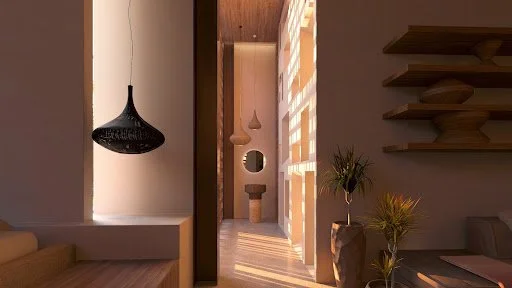
Retractable Glass Walls and Disappearing Boundaries
Retractable glass wall systems have become the defining architectural feature of seamless indoor-outdoor design, allowing entire rooms to open completely to adjoining patios or gardens. These systems use pocketing or stacking mechanisms that slide walls away entirely rather than folding them awkwardly to one side. The result is a space that transforms instantly from an enclosed room into an open-air pavilion.
Manufacturers are now offering thinner frames and larger glass panels than ever before, minimizing visual obstruction between spaces. Improved thermal breaks within these systems also ensure energy efficiency isn't sacrificed for openness, even in extreme climates. This technology sits at the very core of the future of indoor-outdoor living in 2027 and continues to influence how architects approach floor plans from the earliest design stages.
Climate-Adaptive Outdoor Rooms
Motorized retractable roofs allow outdoor living areas to remain usable regardless of sun intensity or light rain. These systems respond automatically to weather sensors, adjusting coverage without requiring manual intervention. In-floor radiant heating and misting cooling systems extend outdoor comfort across all seasons, effectively making patios usable year-round. This climate adaptability is central to how homeowners now define true indoor-outdoor living.
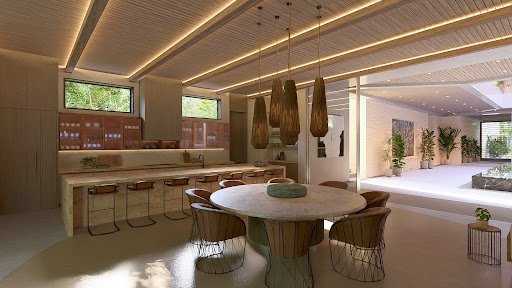
Biophilic Landscaping and Native Plant Integration
Native Plant Gardens: Landscaping increasingly favors indigenous species that require less water and maintenance while supporting local ecosystems. This choice reflects growing environmental awareness among homeowners.
Vertical Green Walls: Living walls installed along outdoor kitchens or seating areas add texture and improve air quality. They also serve as striking design focal points.
Water-Wise Irrigation: Drip and smart-sensor irrigation systems minimize water waste while keeping landscaping lush. This is essential in drought-prone regions.
Edible Landscaping: Herb gardens and fruit trees integrated into outdoor living spaces blend function with beauty. Homeowners increasingly want landscapes that serve a purpose beyond aesthetics.
Shade Tree Canopies: Strategically placed mature trees provide natural cooling and privacy without relying on structural shading. This approach reduces energy costs significantly.
Pollinator Gardens: Dedicated plantings that attract bees and butterflies support biodiversity while adding seasonal color. This trend reflects a broader ecological consciousness in landscape design.
Outdoor Kitchens as Full Culinary Spaces
Outdoor kitchens have evolved far beyond a simple grill station, now featuring pizza ovens, smokers, refrigeration, and even dishwashers under weatherproof housing. These spaces are designed with the same rigor as interior kitchens, incorporating durable stone countertops and custom cabinetry. Homeowners expect these areas to function independently for extended entertaining without constant trips indoors.
This trend reflects a broader cultural shift where cooking and dining have become central to how families use outdoor space. Covered dining pavilions adjacent to these kitchens allow gatherings to continue comfortably regardless of weather. This full culinary integration represents one of the clearest expressions of the future of indoor-outdoor living in 2027.
Resort-Style Pools and Water Features
Infinity-edge pools that appear to blend into the horizon remain highly desirable, particularly on properties with expansive views. Natural, chemical-free pools using biological filtration are also gaining popularity among wellness-focused homeowners.Sculptural water features, including fountains and reflecting pools, add ambient sound and visual interest without requiring swimming functionality. These elements enhance relaxation throughout outdoor living spaces.
Smart Technology for Outdoor Living
Automated Lighting Scenes: Smart outdoor lighting adjusts automatically based on time of day or occasion, enhancing ambiance effortlessly. This technology extends smart home capabilities beyond interior walls.
Integrated Outdoor Audio: Weatherproof speaker systems provide immersive sound without visible equipment cluttering the landscape. Homeowners increasingly expect this seamless integration.
Climate Sensors: Automated systems monitor temperature and wind, adjusting shading and heating accordingly. This reduces the need for manual adjustments throughout the day.
App-Controlled Water Features: Pools, fountains, and irrigation can now be managed remotely through unified smart home applications. This convenience is increasingly expected in premium properties.
Security Integration: Outdoor cameras and motion sensors extend home security systems into garden and patio areas. This ensures privacy and safety without compromising design.
Voice-Activated Controls: Homeowners can adjust lighting, music, and temperature outdoors using voice commands linked to central smart hubs. This convenience mirrors indoor automation trends.
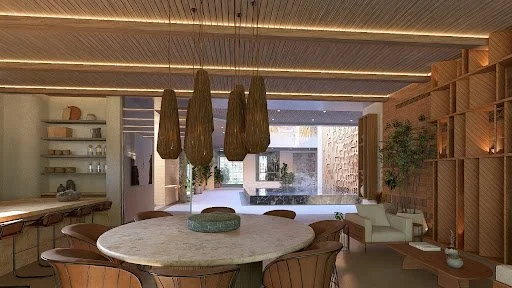
Sustainable Materials for Outdoor Construction
Durable, low-maintenance materials such as composite decking, natural stone, and weather-resistant hardwoods are replacing traditional options prone to deterioration. These materials are selected not only for longevity but also for their reduced environmental impact during production. This focus on sustainability reflects a broader movement shaping the future of indoor-outdoor living in 2027.
Permeable paving systems are also gaining popularity, allowing rainwater to filter naturally into the ground rather than contributing to runoff. This approach supports groundwater replenishment while reducing erosion around outdoor living areas. Builders increasingly view sustainable material selection as essential rather than optional for high-end projects.
Wellness-Oriented Outdoor Spaces
Dedicated decks designed for yoga or meditation, often surrounded by greenery, support mental wellness practices in a natural setting. These spaces are typically positioned away from high-traffic areas for maximum tranquility. Outdoor showers, cold plunge pools, and sauna structures are increasingly incorporated into backyard wellness circuits. This extends spa-like relaxation beyond the home's interior walls entirely.
Flexible Multi-Purpose Outdoor Rooms
Covered outdoor living rooms with durable furnishings now serve as extensions of a home's primary entertaining space, complete with fireplaces and weatherproof televisions. These rooms are designed to function in nearly any weather, blurring the line between indoor comfort and outdoor freedom even further. Homeowners increasingly request these spaces to host gatherings that once would have been confined indoors.
This flexibility allows properties to maximize usable square footage without the cost of traditional home additions. Sliding partitions and modular furniture make it easy to reconfigure these spaces for different occasions. This adaptability is a defining hallmark of the future of indoor-outdoor living in 2027.
Architectural Continuity Between Interior and Exterior
Matching flooring materials, consistent ceiling heights, and aligned sightlines between interior and exterior spaces create a sense of uninterrupted flow throughout the property. Architects are increasingly designing homes from the outset with this continuity in mind, rather than treating outdoor space as an afterthought. This intentional planning ensures transitions feel natural rather than abrupt.
Color palettes and material choices are also being coordinated across indoor and outdoor zones to reinforce this cohesion. This architectural continuity represents the ultimate expression of the future of indoor-outdoor living in 2027, where the two spaces become nearly indistinguishable in purpose and design.
Frequently Asked Questions
1. What is driving the growth of indoor-outdoor living design? Several factors are driving this trend, including a growing emphasis on wellness, changing work patterns, and advances in materials and climate control technology. Homeowners increasingly want spaces that support relaxation and entertaining without being confined indoors. This shift reflects broader lifestyle changes toward flexible, health-conscious living.
2. Are retractable glass walls a worthwhile investment? Retractable glass walls offer significant value by dramatically expanding usable living space and enhancing natural light throughout the home. While the upfront cost is considerable, these systems often increase property value and buyer appeal substantially. Many homeowners find the lifestyle benefits well worth the investment over time.
3. How can indoor-outdoor spaces remain functional in cold climates?
Radiant heating, retractable roofs, and enclosed sunrooms allow outdoor spaces to remain comfortable even in colder regions. Wind-blocking landscaping and strategically placed fire features further extend usability throughout the year. These solutions ensure indoor-outdoor living isn't limited to warm climates alone.
4. Do sustainable materials compromise the look of outdoor spaces?
Not at all; modern sustainable materials like composite decking and reclaimed stone now closely mimic traditional finishes while offering superior durability. Many homeowners find these materials require less maintenance without sacrificing aesthetic appeal. Sustainability and design quality are no longer mutually exclusive considerations.
5. What role does smart technology play in outdoor living spaces?
Smart technology allows homeowners to control lighting, temperature, music, and security across outdoor spaces from a single interface. This level of integration enhances convenience while extending the same comfort and control found indoors. It has become an expected feature in premium outdoor living design.
6. Is indoor-outdoor living design accessible for smaller properties?
Yes, many principles of indoor-outdoor living, such as retractable doors or compact water features, can be scaled effectively for smaller lots. Thoughtful landscaping and multi-purpose furniture help maximize limited outdoor square footage. Even modest properties can incorporate meaningful elements of this design philosophy successfully.
Our recent blog