
How to Create a Warm Modern Interior: A Complete Guide to Modern Home Interiors?
Designing a warm, modern interior is all about striking the right balance between clean, contemporary lines and inviting, everyday comfort. Many homeowners assume that modern design has to feel cold, minimalist, or sterile, but that's far from the truth. When done thoughtfully, a warm modern interior combines sleek architecture with rich textures, layered lighting, and natural materials to create spaces that feel both sophisticated and welcoming.
This guide explores how to achieve a warm modern aesthetic in your home using principles favored by leading design professionals. Whether you're refreshing a single room or collaborating with a luxury interior designer in Los Angeles on a full-home renovation, these ideas will help you create contemporary interiors that feel refined, thoughtfully curated, and effortlessly comfortable.

What Defines a Warm Modern Interior?
A warm modern interior is all about balance rather than strict adherence to a single design style. It combines the clean lines, simplicity, and functionality of modern design with layers of warmth, texture, and comfort. Instead of feeling stark or overly minimalist, this approach creates spaces that are inviting, lived-in, and effortlessly sophisticated.
At the heart of warm modern design is a human-centered philosophy, where every material, color, and lighting choice is selected to enhance comfort and well-being. Rather than relying on bright white walls and high-gloss finishes, designers often incorporate natural wood tones, soft neutral palettes, organic textures, and layered lighting to create depth and warmth. The result is a home that not only looks beautiful but also feels welcoming, comfortable, and designed for everyday living.
Key Elements of Warm Modern Interior Design
Color Palettes That Bring Warmth
Earthy Neutrals: Warm shades like terracotta, beige, taupe, and soft camel create the foundation of a warm modern color palette, replacing the cool grays often associated with minimalist interiors.
Rich Accent Colors: Deep hues such as burnt sienna, olive green, chocolate brown, and rust add depth and character without overwhelming a clean, modern space.
Warm Whites: Instead of stark white, designers opt for creamy whites and soft off-whites that brighten a room while creating a more inviting atmosphere.
Natural Wood Tones: Wood finishes ranging from light oak and honey maple to rich walnut bring warmth and continuity to furniture, cabinetry, and flooring.
Warm Metallic Finishes: Brushed brass, aged bronze, and matte gold hardware introduce subtle warmth and elevate contemporary interiors with understated elegance.
Layered Textiles: Rugs, throw blankets, pillows, and curtains in complementary warm tones add depth, softness, and visual interest while maintaining a cohesive design.
Materials and Textures for Modern Home Interiors
Natural Wood: Wide-plank hardwood flooring, exposed beams, and solid wood furniture bring organic warmth and timeless character to modern spaces.
Bouclé and Linen Fabrics: Textured upholstery in bouclé, linen, and cotton softens clean-lined furniture while adding comfort and visual texture.
Stone and Travertine: Honed stone, marble, and travertine surfaces introduce natural variation and understated luxury in kitchens, bathrooms, and living areas.
Woven Accents: Rattan lighting, cane furniture, woven baskets, and natural fiber décor add handcrafted texture that balances sleek architectural elements.
Plush Area Rugs: Large, high-quality rugs made from wool or other natural fibers help define spaces, absorb sound, and create a cozy, grounded feel.
Matte Finishes: Matte cabinetry, paint, tile, and fixtures reduce glare and create a softer, more refined aesthetic than high-gloss surfaces.

Lighting Strategies for a Warm Modern Interior
Lighting has one of the biggest influences on whether a modern interior feels warm and inviting or cool and impersonal—often even more than color or furniture choices. A layered lighting plan that combines ambient, task, and accent lighting allows you to adjust the mood throughout the day while adding depth and dimension to your space. Warm LED bulbs, typically between 2700K and 3000K, create a soft, welcoming glow that closely resembles natural candlelight, making them ideal for warm modern interiors.
Statement light fixtures also serve as sculptural focal points, blending form and function. A striking pendant above the dining table, an oversized chandelier in the living room, or a series of elegant wall sconces can soften clean architectural lines while reinforcing a contemporary aesthetic. Whenever possible, maximize natural light by using sheer window treatments that gently diffuse sunlight instead of blocking it, creating bright, airy spaces that still feel warm and comfortable.
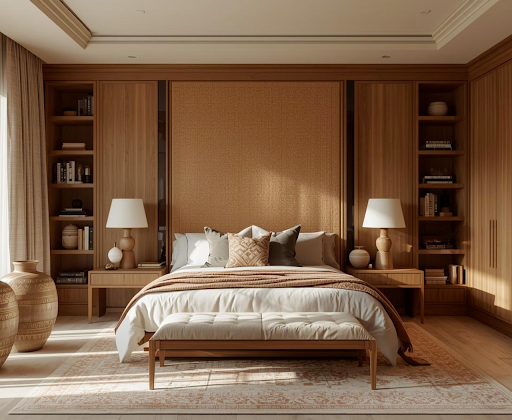
Why Work With a Luxury Interior Designer in Los Angeles?
Los Angeles has become one of the country's leading destinations for high-end residential design, making it an ideal place to find experienced professionals who specialize in warm modern interiors. A luxury interior designer in Los Angeles understands the region's indoor-outdoor lifestyle, abundant natural light, and diverse architectural styles, allowing them to create spaces that feel both timeless and uniquely suited to Southern California living. They also have access to custom furniture makers, artisan finishes, and exclusive showrooms, giving homeowners opportunities to incorporate one-of-a-kind pieces that aren't available through traditional retail stores.
Beyond aesthetics, a luxury interior designer brings valuable expertise in project management, helping homeowners save time, reduce stress, and avoid costly mistakes throughout a renovation or new build. From developing cohesive design concepts and sourcing high-quality materials to coordinating contractors and overseeing installation, they ensure every detail is executed with precision. This level of guidance is especially valuable for large-scale projects, where every finish, furnishing, and architectural element must work together to create a cohesive, elevated home.
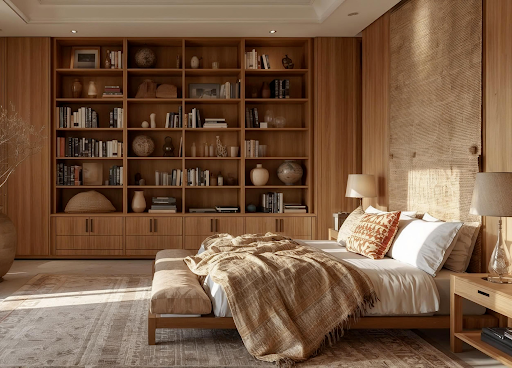
Tips for Creating a Warm Modern Interior
Start with a Neutral Foundation: Choose warm-toned walls and flooring first, then layer in color, texture, and pattern through furniture, artwork, and accessories.
Mix a Variety of Textures: Combine natural wood, soft textiles, stone, metal, and woven materials to create depth and keep the space from feeling flat or one-dimensional.
Invest in Statement Furniture: A thoughtfully designed piece—such as a curved sofa, sculptural coffee table, or oversized accent chair—can become the focal point that elevates the entire room.
Incorporate Greenery: Indoor plants add color, texture, and organic movement while softening the clean lines often found in modern architecture.
Layer Your Lighting: Blend ambient, task, and accent lighting with dimmable fixtures at different heights to create a warm, adaptable atmosphere throughout the day.
Curate Instead of Clutter: Warm modern interiors embrace simplicity. Choose fewer, high-quality pieces that feel intentional, allowing each item room to stand out while maintaining an open, airy aesthetic.
Frequently Asked Questions
1. What is the difference between modern and warm modern interior design?
Traditional modern design emphasizes clean lines, minimalism, and materials such as glass, chrome, and concrete, often paired with cool color palettes. Warm modern interior design retains the simplicity and functionality of modern style while incorporating natural wood, soft textiles, layered lighting, and earthy tones. The result is a space that feels contemporary, inviting, and comfortable rather than stark or sterile.
2. How much does it cost to hire a luxury interior designer in Los Angeles?
The cost of hiring a luxury interior designer in Los Angeles varies depending on the size and complexity of the project. Designers may charge a flat design fee, an hourly rate, or a percentage of the overall project budget. Full-service residential projects can range from tens of thousands to several hundred thousand dollars, depending on the home's size, level of customization, and material selections. Scheduling a consultation is the best way to receive an estimate tailored to your specific needs.
3. Can I achieve a warm modern interior on a budget?
Absolutely. Many elements of warm modern design can be incorporated without a major renovation. Updating paint colors, layering soft textiles, incorporating natural materials, and replacing cool-toned lighting with warm LED bulbs can dramatically transform a space. Larger investments—such as hardwood flooring, custom cabinetry, or designer furniture—can be added over time as your budget allows.
4. What paint colors work best for modern home interiors?
Warm off-whites, creamy neutrals, soft greiges, beige, taupe, and earthy shades like terracotta or camel are excellent choices for warm modern interiors. These colors create a versatile backdrop that pairs beautifully with natural wood, stone, and warm metallic finishes while maintaining a bright, timeless look.
5. How do I keep a warm modern interior from looking cluttered?
The key is to curate rather than accumulate. Choose a cohesive color palette, invest in a few well-crafted statement pieces, and leave plenty of open space between furnishings to preserve the clean lines of modern design. Thoughtfully selected décor and smart storage solutions help maintain a polished, uncluttered appearance while still making the home feel warm and lived in.
6. Why should I hire a designer instead of decorating my home myself?
While it's possible to create a beautiful space on your own, a professional interior designer brings expertise in space planning, lighting design, material selection, and project coordination. A luxury interior designer in Los Angeles can also provide access to custom furnishings, artisan craftsmanship, and trade-only resources that aren't available to the general public. Their experience helps ensure every design decision works together cohesively, often saving time, reducing costly mistakes, and delivering a more refined final result.
Our recent blog