
12 Luxury Home Design Trends We'll Be Seeing in 2027
Homeowners and designers alike are already looking ahead, and the 12 luxury home design trends we'll be seeing in 2027 reveal a clear shift toward wellness, sustainability, and quiet sophistication. High-end living is moving away from ostentatious display and toward spaces that feel personal, restorative, and technologically intuitive. This shift reflects broader lifestyle changes, including remote work, climate awareness, and a renewed appreciation for craftsmanship.
In this guide, we break down the 12 luxury home design trends we'll be seeing in 2027 in detail, covering everything from biophilic architecture to AI-integrated smart homes. Whether you're an interior designer, architect, or homeowner planning a renovation, understanding these emerging directions will help you invest wisely. Each trend below includes practical insight into materials, layout, and long-term value.
1. Biophilic Design Takes Center Stage
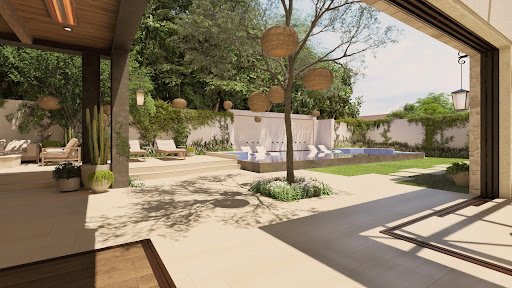
Biophilic design continues to dominate luxury interiors, emphasizing natural light, indoor greenery, and organic materials like stone and reclaimed wood. Designers are incorporating living walls, water features, and floor-to-ceiling glass to blur the boundary between indoor and outdoor living. This approach supports mental wellness while adding undeniable visual appeal to high-end residences.
Beyond aesthetics, biophilic elements are being engineered for functionality, including passive cooling systems and natural ventilation that reduce energy consumption. Architects are prioritizing orientation and site placement to maximize sunlight throughout the day. This trend aligns perfectly with sustainable luxury home design, a theme that recurs throughout 2027's most anticipated interiors.
2. Wellness-Centered Architecture
2.1 Home Spas and Recovery Rooms
Private wellness suites featuring infrared saunas, cold plunge pools, and dedicated meditation rooms are becoming standard in luxury builds. These spaces prioritize restorative health, mirroring the amenities once reserved for five-star resorts. Homeowners are dedicating entire wings to physical and mental recovery.
2.2 Circadian Lighting Systems
Circadian lighting, which adjusts color temperature throughout the day to support natural sleep cycles, is now a core feature of wellness architecture. This smart lighting technology integrates seamlessly with home automation platforms. It represents a growing intersection between luxury home design trends and health-focused innovation.
3. Sustainable and Regenerative Materials
Reclaimed Timber Accents: Salvaged wood is being repurposed for beams, flooring, and cabinetry, offering character while reducing environmental impact. It pairs beautifully with modern minimalist palettes.
Low-Carbon Concrete: New concrete formulations cut embodied carbon significantly without sacrificing structural strength. This material is increasingly specified in luxury home design trends favoring eco-conscious construction.
Recycled Metal Fixtures: Brass, copper, and steel fixtures made from recycled sources are replacing virgin metal in high-end kitchens and baths. They deliver the same premium finish with a smaller footprint.
Natural Fiber Insulation: Sheep's wool and cellulose insulation are gaining traction for their thermal efficiency and non-toxic composition. This supports healthier indoor air quality.
Rammed Earth Walls: This ancient technique is being revived for its thermal mass and striking, textured appearance. It suits both desert and coastal luxury properties.
Solar-Integrated Roofing: Sleek photovoltaic tiles now replace bulky panels, blending renewable energy generation with refined rooflines. This is a defining feature among sustainable luxury home design trends.
4. AI-Integrated Smart Home Systems
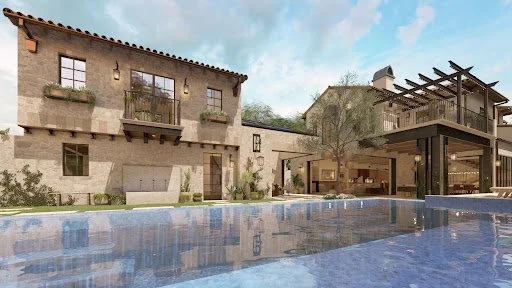
Artificial intelligence is transforming how luxury residences operate, with predictive systems that learn household routines and adjust climate, lighting, and security automatically. Voice and gesture controls are becoming more refined, allowing residents to manage entire estates from a single interface. This level of integration was once considered futuristic but is now expected in premium new builds.
Privacy-conscious AI processing, where data stays on local servers rather than the cloud, is emerging as a key differentiator for discerning buyers. Security systems now use facial recognition and behavioral analytics to detect anomalies in real time. This trend cements smart technology as inseparable from modern luxury home design.
5. Multi-Generational Living Spaces
5.1 Private Suites with Separate Entrances
As extended families increasingly share properties, architects are designing self-contained suites complete with kitchenettes and private entries. These spaces balance togetherness with independence, a priority for multi-generational households.
5.2 Flexible Common Areas
Shared living rooms and kitchens are being designed with movable partitions to accommodate gatherings of varying sizes. This flexibility future-proofs the home against changing family needs. It's a defining feature of forward-thinking luxury home design.
6. Quiet Luxury and Understated Elegance
Neutral, Tonal Palettes: Soft beiges, warm whites, and muted greens replace bold statement colors, creating timeless interiors. This restraint signals sophistication over trend-chasing.
Hidden Craftsmanship: Custom joinery and bespoke hardware are prioritized over flashy branding, rewarding close inspection. Quality speaks louder than logos in this movement.
Minimalist Facades: Exteriors are becoming cleaner and more restrained, avoiding excessive ornamentation. This mirrors the broader shift toward understated luxury home design.
Textural Layering: Designers use varied textures like linen, wool, and brushed metal to add depth without relying on color contrast. It creates a rich sensory experience.
Discreet Technology: Screens, speakers, and outlets are concealed within cabinetry and walls. Technology serves the space without visually dominating it.
Heirloom Furniture Pairings: Vintage and antique pieces are mixed with contemporary furnishings for a curated, collected-over-time feel. This adds authenticity to otherwise sleek spaces.
7. Indoor-Outdoor Living Expansion
Expansive pocket doors, retractable glass walls, and covered outdoor kitchens are extending livable square footage well beyond the home's interior footprint. Outdoor fireplaces, heated flooring, and weatherproof furnishings now allow year-round use of these spaces regardless of climate. This seamless transition between indoor and outdoor zones remains one of the most requested luxury home design trends among affluent buyers.
Landscape architecture is being treated with the same rigor as interior design, incorporating native plantings and water-efficient irrigation. Infinity pools and sculptural water features serve as focal points visible from multiple rooms. This holistic approach reinforces the home's connection to its surrounding environment.
8. Statement Kitchens as Social Hubs
Kitchens are evolving into multifunctional entertainment spaces, featuring oversized islands, hidden prep kitchens, and integrated bar areas. High-end appliances are being disguised behind custom paneling to maintain a cohesive aesthetic. This design philosophy treats the kitchen as the true heart of luxury residential architecture.
Natural stone countertops, particularly quartzite and exotic marble, remain highly sought after for their durability and unique veining patterns. Designers are also incorporating induction cooktops and smart refrigeration for both performance and sustainability. These upgrades reflect the broader luxury home design trends shaping kitchens through 2027.
9. Home Offices Reimagined
9.1 Acoustic Privacy Pods
Dedicated soundproof pods within larger home offices allow for uninterrupted video calls without requiring a fully separate room. These compact structures are gaining popularity among executives working remotely.
9.2 Biophilic Workspaces
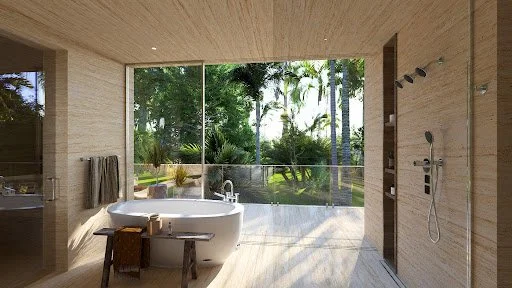
Natural materials, plants, and abundant daylight are being prioritized in home office design to boost productivity and reduce stress. This wellness-driven approach mirrors trends seen throughout the rest of the residence.
10. Artisan and Locally-Sourced Craftsmanship
Bespoke, handcrafted elements—from hand-thrown tile to custom ironwork—are replacing mass-produced finishes in luxury builds. Homeowners are commissioning local artisans to create one-of-a-kind pieces that tell a story specific to the property's region. This return to craftsmanship adds authenticity that factory-made products simply cannot replicate.
Supporting local trades also reduces the carbon footprint associated with shipping materials internationally. Many luxury home design trends for 2027 emphasize this connection between provenance, sustainability, and craftsmanship. The result is a home that feels rooted in place rather than generic.
11. Resilient and Climate-Adaptive Design
Homes in fire-prone, flood-prone, or hurricane-prone regions are being engineered with resilient materials and elevated foundations without compromising aesthetics. Impact-resistant glazing and fire-rated cladding are now specified in ways that feel seamless rather than utilitarian. This adaptive approach ensures long-term property value amid shifting climate patterns.
Backup power systems, including battery storage paired with solar arrays, are becoming standard rather than optional in high-end new construction. Water recycling and greywater systems further reduce a property's environmental footprint. Resilience has become inseparable from true luxury home design.
12. Curated Art and Gallery-Style Display
Dedicated gallery walls and lighting systems designed specifically for art display are appearing in more luxury residences. Museum-quality track lighting and climate-controlled display cases protect valuable collections while enhancing the home's cultural character. This trend transforms private homes into personal galleries.
Rotating art installations, supported by flexible wall systems, allow homeowners to refresh their space without renovation. This adaptability reflects a broader desire for homes that evolve alongside their owners' tastes. It's a fitting conclusion to our list of luxury home design trends shaping 2027.
Frequently Asked Questions
1. What defines luxury home design in 2027?
Luxury home design in 2027 is defined less by ornamentation and more by wellness, sustainability, and intelligent technology integration. Homeowners are prioritizing materials and systems that support long-term health and environmental responsibility. Quiet, understated elegance has largely replaced overt displays of wealth.
2. Are sustainable materials really considered luxury now?
Yes, sustainable and regenerative materials like low-carbon concrete and reclaimed timber are now viewed as premium choices rather than compromises. High-net-worth buyers increasingly associate sustainability with forward-thinking design and long-term property value. This shift has made eco-conscious construction a genuine status symbol.
3. How is AI changing luxury home design?
Artificial intelligence is enabling predictive climate control, advanced security, and personalized automation throughout luxury residences. These systems learn household patterns and adjust automatically, reducing energy waste and improving comfort. Privacy-focused, locally processed AI is especially valued among discerning homeowners.
4. What is biophilic design and why is it trending?
Biophilic design incorporates natural elements like light, greenery, and organic materials to strengthen the connection between indoor spaces and nature. It's trending because it supports mental wellness while delivering striking visual appeal. This approach also often improves energy efficiency through passive design strategies.
5. Why are wellness rooms becoming standard in luxury homes?
Wellness rooms, including home spas and recovery suites, reflect a growing prioritization of physical and mental health within residential architecture. Homeowners want resort-level amenities without leaving their property. This trend has been accelerated by increased awareness of stress management and preventive health.
6. Will these luxury home design trends remain relevant beyond 2027?
Many of these trends, particularly sustainability, wellness, and multi-generational flexibility, are rooted in long-term lifestyle shifts rather than fleeting fashion. As a result, they are likely to influence residential architecture well beyond 2027. Investing in these features now offers both immediate enjoyment and lasting property value.
Our recent blog