
7 Features Every Luxury Kitchen Should Include in 2027
Luxury kitchens are evolving far beyond expensive appliances, oversized islands, and statement countertops. In 2027, the most desirable kitchens will be designed around comfort, technology, craftsmanship, efficiency, and personalization, creating spaces that function as both sophisticated culinary environments and natural extensions of the home. Recent kitchen design forecasts point toward warmer materials, concealed storage, multifunctional islands, integrated technology, and highly personalized layouts rather than overly minimal showroom aesthetics.
For homeowners planning a high-end renovation or custom residence, the goal should not simply be to follow every kitchen trend. A truly successful luxury kitchen design combines timeless architectural principles with carefully selected modern features that improve everyday living. From intelligent storage and integrated appliances to layered lighting and premium natural materials, these seven features can help create a kitchen that feels sophisticated today while remaining functional and relevant for years to come.
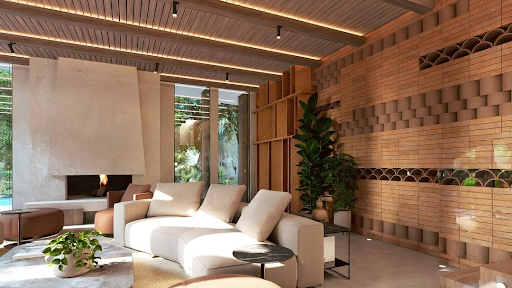
1. A Large, Multifunctional Kitchen Island
The kitchen island has become one of the defining elements of contemporary luxury kitchen design, but its purpose is expanding beyond food preparation. In 2027, a well-designed island should ideally support multiple activities, including cooking, dining, entertaining, casual work, storage, and social interaction. Industry research shows that homeowners increasingly view kitchens as personalized, multifunctional hubs, with islands and dedicated zones playing an important role in that transformation.
A luxury island should therefore be designed around the homeowner's lifestyle rather than simply maximizing its size. Depending on the space, it might include a prep sink, induction cooktop, integrated dishwasher, deep drawers, wine storage, charging points, or comfortable seating on multiple sides. A carefully selected marble, quartzite, natural stone, or other premium countertop can turn the island into an architectural focal point while maintaining practical durability. The best islands combine visual presence with excellent circulation and ergonomic planning.
2. Seamlessly Integrated and Smart Appliances
One of the strongest directions for 2027 luxury kitchens is the movement toward appliances that perform advanced functions without visually dominating the room. Panel-ready refrigerators, integrated dishwashers, concealed coffee systems, built-in ovens, and discreet ventilation can allow cabinetry and architectural finishes to remain visually continuous. Current design forecasts specifically point toward increasingly integrated appliances and even concealed coffee and wine-storage systems.
Smart technology should also be incorporated selectively. Connected ovens, intelligent refrigerators, app-controlled appliances, automated lighting, touchless faucets, and hidden charging stations can make the kitchen more convenient without turning it into a technology showroom. The objective is smart kitchen technology that serves the homeowner, not technology for its own sake. When properly integrated, these systems can improve cooking, energy management, organization, and everyday efficiency while preserving a sophisticated aesthetic.
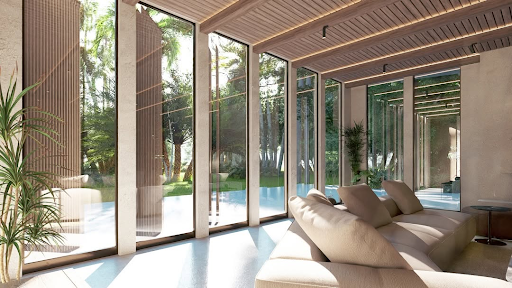
3. Custom Storage and a Hidden Pantry
Luxury is increasingly being defined by what a kitchen can conceal. Instead of allowing countertops to become crowded with coffee machines, mixers, appliances, cookware, and food preparation equipment, designers are creating dedicated storage zones that keep everyday items accessible but visually controlled. The growing popularity of concealed storage, appliance garages, walk-in pantries, and secondary prep kitchens reflects this shift toward cleaner and more functional spaces.
A custom kitchen storage system can include full-height cabinetry, deep drawers, pull-out shelves, corner solutions, drawer organizers, appliance garages, pantry systems, and dedicated beverage stations. For larger luxury homes, a butler's pantry or scullery can provide a separate space for messy preparation, food storage, and cleanup while keeping the primary kitchen presentation-ready. This approach allows the main kitchen to function as an elegant entertaining space while still supporting serious everyday cooking.
4. Layered and Architectural Lighting
Lighting should be treated as an essential component of luxury kitchen architecture rather than an afterthought. A sophisticated lighting plan combines natural light, task lighting, ambient illumination, accent lighting, and decorative fixtures to create different atmospheres throughout the day. NKBA research indicates that natural lighting, quality lighting, task lighting, under-cabinet illumination, interior cabinet lighting, and decorative pendants remain significant priorities in contemporary kitchen design.
In 2027, statement lighting can also become part of the architecture. Sculptural pendants above an island, integrated LED strips beneath cabinetry, illuminated shelves, toe-kick lighting, and discreet ceiling fixtures can create depth and visual hierarchy. Dimmable systems allow homeowners to transition from bright task lighting during food preparation to warmer ambient illumination during dinner or entertaining. The result is a kitchen that feels comfortable and sophisticated rather than uniformly illuminated.
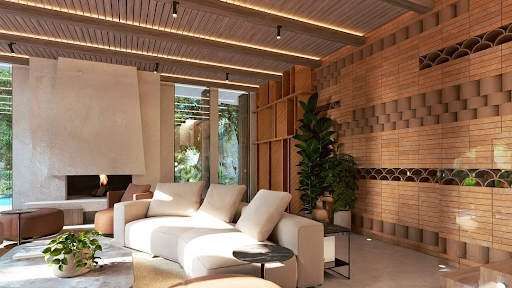
5. Premium Natural Materials and Bespoke Cabinetry
The most memorable luxury kitchens rarely depend on excessive decoration. Instead, they use high-quality materials, carefully considered proportions, craftsmanship, and tactile finishes to create visual richness. Recent industry research shows growing interest in natural wood cabinetry and premium stone surfaces, while contemporary design forecasts emphasize authentic materials, texture, and craftsmanship.
In 2027, homeowners should consider custom cabinetry, natural stone countertops, quartzite, white oak, walnut, handcrafted hardware, textured finishes, and architectural millwork where appropriate. Bespoke cabinetry can be designed around the exact dimensions of the room and the homeowner's storage habits, eliminating the compromises often associated with standard units. The objective is to create a kitchen that feels intentionally made for the property rather than assembled from unrelated products.
6. A Dedicated Entertaining and Beverage Zone
The luxury kitchen is increasingly becoming a social destination, so dedicated entertaining features deserve serious consideration. A beverage station, wine refrigerator, coffee area, cocktail preparation zone, or secondary serving counter can separate entertaining activities from the primary cooking workflow. Current kitchen research identifies dedicated beverage areas as one of the lifestyle-focused features gaining importance in custom kitchens.
These zones can also help improve organization during large gatherings. Instead of guests gathering around the main cooking area, drinks, coffee, glassware, and serving accessories can be positioned in a dedicated location. In larger homes, this feature can be connected to a dining room, outdoor kitchen, family room, or covered terrace, creating a more natural relationship between indoor and outdoor entertaining. Luxury kitchen planning should therefore consider not only how the family cooks, but also how they host.
7. Wellness, Sustainability, and High-Performance Functionality
A luxury kitchen in 2027 should deliver more than visual sophistication. Increasing attention is being given to healthier cooking, efficient appliances, responsible material selection, water conservation, indoor air quality, and long-term durability. Induction cooking and steam ovens, for example, are gaining attention for their combination of performance, precision, and wellness-oriented functionality.
Sustainability should also be considered at the specification stage. Durable cabinetry, responsibly sourced timber, low-VOC finishes, efficient appliances, water-saving fixtures, and long-lasting countertops can reduce the need for frequent replacement. A well-designed sustainable luxury kitchen is not necessarily one filled with visibly "green" products; instead, it is a kitchen designed to last, perform efficiently, and age gracefully. Longevity itself can be one of the most meaningful forms of sustainable design.
How to Combine These Features Without Overdesigning?
The biggest mistake in luxury kitchen design is assuming that adding more expensive features automatically creates a more luxurious result. A successful kitchen depends on proportion, circulation, material harmony, architectural context, and the homeowner's daily habits. Current designers are increasingly moving away from overly staged kitchens toward warmer, more personal environments that feel connected to the rest of the home.
The seven features should therefore be integrated as part of one cohesive design strategy. A large island should work with the cooking zones, integrated appliances should align with cabinetry, lighting should reinforce architectural details, storage should reduce clutter, and premium materials should complement the home's broader interior palette. When these elements are planned together, the kitchen becomes more than a collection of luxury products. It becomes a functional architectural environment designed specifically around the way the homeowner lives.
Frequently Asked Questions
1. What makes a kitchen feel luxurious in 2027?
A luxury kitchen combines exceptional materials, thoughtful architecture, advanced functionality, and personalized details. Features such as bespoke cabinetry, integrated appliances, natural stone, intelligent storage, layered lighting, and multifunctional islands can create a sophisticated environment.
2. Are smart appliances essential for a luxury kitchen?
They are not essential, but they can significantly improve convenience and functionality. The best smart features are integrated discreetly so technology supports the homeowner without overwhelming the kitchen's architectural design.
3. What countertop material is best for a luxury kitchen?
Natural quartzite, marble, and other premium stones can provide a distinctive luxury appearance, while engineered surfaces may offer practical advantages depending on the project. The right choice should consider durability, maintenance, appearance, cooking habits, and the overall interior design.
4. Why is hidden storage becoming popular in luxury kitchens?
Concealed storage creates a cleaner visual environment while keeping frequently used equipment accessible. Appliance garages, walk-in pantries, full-height cabinetry, and hidden prep areas can reduce countertop clutter without sacrificing functionality.
5. Should a luxury kitchen include a butler's pantry?
A butler's pantry can be particularly valuable in larger homes or for homeowners who entertain frequently. It can provide additional preparation, storage, cleanup, and appliance space while allowing the primary kitchen to remain visually organized.
6. Will these luxury kitchen features remain relevant beyond 2027?
The most durable design decisions are based on functionality, craftsmanship, proportion, and personal lifestyle rather than short-lived trends. Integrated storage, quality materials, effective lighting, flexible layouts, and efficient appliances are likely to remain valuable because they improve how the kitchen actually works.
Our recent blog