
The Biggest Luxury Home Design Predictions for 2027
Luxury home design is entering a new phase where sophistication is no longer defined only by expensive materials, oversized spaces, or statement furniture. Homeowners are increasingly looking for interiors that combine timeless luxury, personal expression, comfort, sustainability, and advanced technology. As design preferences evolve, the focus is shifting toward spaces that feel intentional, functional, and connected to everyday lifestyles.
The biggest luxury home design predictions for 2027 point toward a more refined approach to residential interiors. From biophilic design and smart home technology to natural materials, wellness spaces, and personalized interiors, luxury homes are expected to become more experiential. Instead of following short-lived trends, homeowners and designers are likely to prioritize designs that remain relevant while adapting to changing needs.
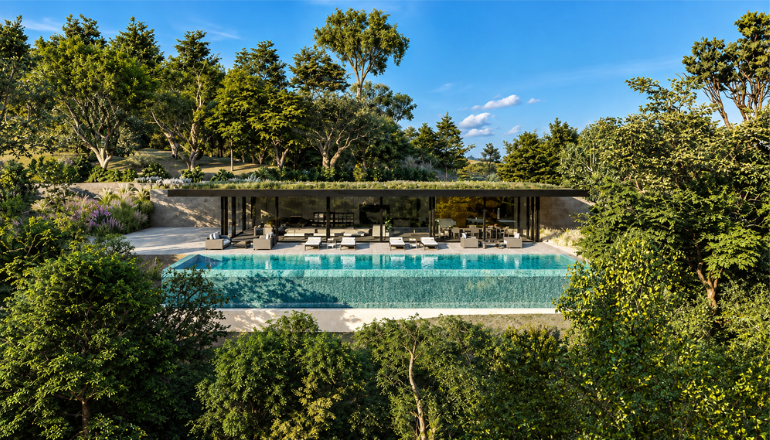
Natural Materials Will Define Modern Luxury
One of the biggest luxury home design predictions for 2027 is the growing preference for natural and tactile materials. Stone, wood, marble, linen, travertine, handcrafted ceramics, and textured plaster can create interiors that feel warm, sophisticated, and visually balanced. These materials also introduce depth and character that mass-produced finishes often struggle to achieve.
Luxury interiors are increasingly moving toward organic modern design, where refined architecture is combined with earthy textures and natural finishes. Rather than filling every room with decorative elements, designers are expected to use fewer materials but give each one greater visual importance through carefully considered proportions, lighting, and craftsmanship.
Wellness-Centered Luxury Homes Will Grow
Wellness is becoming an important part of residential architecture and interior design. The biggest luxury home design predictions for 2027 include dedicated spaces for relaxation, exercise, meditation, sleep, and recovery. Homeowners are increasingly considering their homes as environments that should actively support physical and mental wellbeing.
Private Wellness Spaces
Luxury residences may increasingly feature home spas, meditation rooms, fitness studios, infrared saunas, recovery areas, and wellness bathrooms. Natural ventilation, daylight, acoustic comfort, and calming materials will also become important elements. Instead of treating wellness as an additional feature, designers are likely to integrate it into the overall planning of the home.
Smart Home Technology Will Become More Integrated
Smart home technology will continue to influence luxury residential design, but the emphasis is likely to shift from visible gadgets to seamless integration. Automated lighting, climate control, security systems, entertainment, window treatments, and energy management can increasingly operate together through connected home systems.
The future of luxury smart homes will focus on convenience without compromising aesthetics. Technology may become less noticeable as designers hide speakers, controls, sensors, and other equipment within walls, ceilings, cabinetry, and architectural features. This approach allows homeowners to enjoy advanced functionality while maintaining a clean and sophisticated interior.
Biophilic Design Will Become More Sophisticated
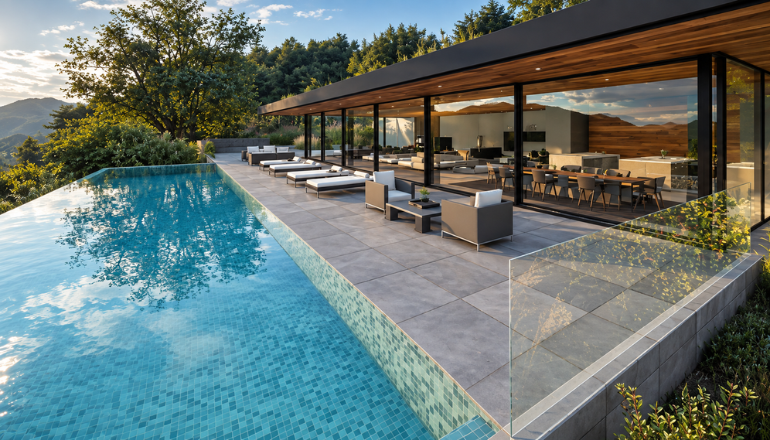
Biophilic interior design is expected to remain an important influence in 2027, but with a more architectural approach. Large windows, indoor greenery, natural textures, water elements, courtyards, and views of landscaped areas can help create stronger connections between indoor and outdoor environments.
Luxury homes may increasingly use landscape as part of the interior experience. Floor-to-ceiling glazing, internal gardens, outdoor living rooms, green walls, and carefully positioned trees can blur the boundary between architecture and nature. The result is a home that feels connected to its surroundings rather than isolated from them.
Personalized Interiors Will Replace Generic Luxury
Another major direction in the biggest luxury home design predictions for 2027 is personalization. Homeowners are becoming more interested in spaces that reflect their lifestyle, cultural influences, collections, hobbies, and individual tastes rather than interiors that simply look expensive.
Statement Pieces With Meaning
Custom furniture, commissioned artwork, handcrafted objects, family heirlooms, and locally sourced pieces can give a luxury residence a stronger identity. Designers are likely to focus on creating bespoke home interiors where every major element contributes to the story and personality of the homeowner.
Sustainable Luxury Will Become a Design Standard
Sustainability is increasingly becoming part of high-end residential design rather than a separate design category. Energy-efficient systems, responsibly sourced materials, passive design strategies, solar technology, water-saving systems, and durable finishes can reduce environmental impact while improving long-term performance.
In 2027, sustainable luxury homes may place greater emphasis on longevity. Choosing high-quality materials that can age gracefully, designing for energy efficiency, and reducing unnecessary replacement can create homes that remain valuable and functional for decades.
Flexible Spaces Will Support Changing Lifestyles
Luxury homes are also expected to become more adaptable. A single room may need to function as a home office, guest room, reading area, creative studio, or entertainment space depending on the homeowner's needs.
Flexible layouts, movable partitions, multifunctional furniture, concealed storage, and adaptable lighting can make large homes more practical. This reflects a broader movement toward functional luxury, where visual sophistication is balanced with everyday usability.
Warm Minimalism Will Replace Cold Minimalism
Minimalism is evolving from stark, highly controlled interiors toward warmer and more comfortable environments. Soft neutral palettes, natural wood, textured fabrics, curved furniture, layered lighting, and handcrafted finishes can make minimalist spaces feel inviting without creating visual clutter.
This version of warm minimalism allows luxury interiors to maintain clean architectural lines while introducing comfort and personality. The goal is not to remove everything from a room but to carefully select elements that contribute to its atmosphere, functionality, and visual harmony.
What Will Define Luxury Home Design in 2027?
The biggest luxury home design predictions for 2027 suggest that luxury will increasingly be measured by experience rather than appearance alone. Personalization, wellness, technology, craftsmanship, sustainability, and connection with nature are likely to influence how premium homes are designed.
For homeowners planning a new residence or renovation, the most valuable approach is to combine emerging ideas with timeless architectural principles. A successful luxury home should not simply reflect what is fashionable in 2027; it should create an environment that remains comfortable, functional, distinctive, and relevant for years to come.
Frequently Asked Questions
1. What is the biggest luxury home design trend for 2027?
Personalized and experience-driven interiors are expected to play a major role in luxury residential design. Homeowners are increasingly looking for spaces that combine comfort, wellness, technology, sustainability, and individual expression. Natural materials and thoughtful craftsmanship are also expected to remain important.
2. Will smart homes become more important in luxury design?
Yes, smart technology is expected to become increasingly integrated into luxury residences. Lighting, security, climate control, entertainment, and energy systems can work together through centralized automation. The focus will increasingly be on invisible technology that supports the home without dominating its appearance.
3. Are natural materials suitable for luxury interiors?
Natural materials can add depth, warmth, and long-term visual appeal to luxury interiors. Materials such as stone, wood, marble, linen, and handcrafted finishes can create a sophisticated atmosphere. Their effectiveness depends on how they are selected, proportioned, and integrated into the overall design.
4. How will sustainability influence luxury homes in 2027?
Sustainability is expected to influence material selection, energy systems, water management, insulation, ventilation, and architectural planning. Luxury homeowners may increasingly consider durability and lifecycle performance alongside appearance. This can make sustainable design an important part of long-term residential value.
5. Will minimalism remain popular in luxury home design?
Minimalism is likely to continue, but warmer interpretations are becoming increasingly relevant. Warm minimalism combines clean architectural forms with natural textures, comfortable furniture, layered lighting, and carefully selected decorative elements. This creates a more inviting alternative to extremely stark minimalist interiors.
6. How can homeowners incorporate 2027 luxury design trends?
Homeowners can begin by identifying lifestyle priorities before selecting specific trends. Incorporating natural materials, flexible spaces, wellness features, integrated technology, sustainable systems, and personalized artwork can create a more future-ready home. Working with an experienced residential designer or architect can also help balance current trends with timeless design principles.
Our recent blog