
Marble, Quartzite, Limestone, and Travertine: Choosing the Right Stone
Natural stone can define the character of an interior, adding texture, depth, and a sense of permanence that manufactured finishes often struggle to replicate. Among the most popular options for sophisticated residential projects are marble, quartzite, limestone, and travertine. Each material has distinctive qualities, making the right selection dependent on where the stone will be used, how much maintenance is acceptable, and the overall design vision.
Choosing between these natural stones requires more than comparing colors and patterns. Factors such as stone durability, porosity, maintenance requirements, surface finish, heat resistance, and sealing can significantly affect long-term performance. Understanding these differences before purchasing or installing stone can help homeowners create spaces that remain both beautiful and functional for years.

Understanding the Characteristics of Natural Stone
Natural stone is formed through geological processes, meaning no two slabs are exactly alike. Variations in veining, mineral deposits, color, movement, and texture are part of the material's natural character. This individuality can make stone particularly valuable for custom interiors where homeowners want distinctive surfaces.
However, natural variation also means homeowners should inspect the actual slab before making a final decision. A small sample may not accurately represent the movement or coloration across a large countertop, fireplace surround, wall, or floor. Working with an experienced designer or stone professional can make the selection process considerably easier.
Marble: Elegant, Classic, and Distinctive
Marble remains one of the most recognizable luxury materials in residential architecture. Its dramatic veining and refined appearance make it especially popular for bathroom surfaces, fireplaces, statement walls, flooring, and carefully selected kitchen applications. White, gray, beige, and darker varieties can create very different visual effects while maintaining marble's unmistakable character.
The main consideration with marble is that it requires thoughtful care. It is relatively softer and more susceptible to scratching and etching than some alternatives, particularly when exposed to acidic substances. Proper marble maintenance, appropriate sealing, and realistic expectations about natural patina are essential when using it in heavily used areas.
Quartzite: Strength With Natural Beauty
Quartzite is often selected by homeowners who want the appearance of natural stone combined with strong performance. Genuine quartzite is a metamorphic rock with excellent hardness, making it suitable for many demanding applications, including kitchen countertops and frequently used surfaces.
Its natural patterns can resemble marble, ranging from subtle backgrounds to dramatic veining. This makes quartzite countertops particularly appealing for homeowners seeking a luxurious appearance without choosing a comparatively delicate surface. Although quartzite is durable, proper fabrication, sealing, cleaning, and maintenance are still important for long-term performance.

Limestone: Soft, Warm, and Architectural
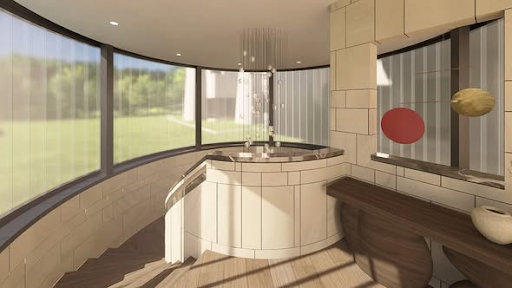
Limestone offers a more understated aesthetic than heavily veined marble or quartzite. Its earthy colors, soft texture, and natural variation work particularly well in interiors inspired by Mediterranean, European, transitional, rustic, and contemporary architecture.
Because limestone is relatively porous and can be more susceptible to staining or wear, location matters. It can work beautifully for walls, fireplaces, floors, bathrooms, and selected architectural applications when properly specified. Limestone flooring and other limestone surfaces benefit from appropriate sealing and maintenance routines suited to the specific stone.
Travertine: Organic Texture and Timeless Character
Travertine is recognized for its warm tones, naturally occurring holes, and distinctive surface texture. It can introduce an organic quality that works particularly well in relaxed luxury interiors, outdoor spaces, bathrooms, floors, and architectural features.
Depending on the desired appearance, travertine can be filled and honed for a smoother finish or left with more visible natural characteristics. Because it is porous, travertine maintenance should include appropriate sealing and cleaning practices. Its natural variation can also make it an excellent choice for homeowners who want a material that feels established rather than overly polished.
Comparing Durability and Everyday Performance
When comparing marble, quartzite, limestone, and travertine, homeowners should think about the demands of the specific application. A busy kitchen countertop experiences different stresses than a decorative fireplace or bathroom wall. The correct stone is therefore determined not only by appearance but also by expected exposure to moisture, heat, spills, impact, and everyday traffic.
Quartzite generally offers stronger resistance to scratching than marble, while limestone and travertine require greater consideration of porosity and surface protection. Marble can remain an excellent choice when homeowners appreciate its natural aging process and are prepared to maintain it appropriately. The goal is to match natural stone durability with realistic household use.
Consider Porosity and Sealing Requirements
Porosity is one of the most important factors when selecting natural stone. More porous materials can absorb liquids and may be more vulnerable to staining if they are not correctly sealed and maintained. This becomes particularly important in kitchens, bathrooms, outdoor kitchens, and other areas exposed to moisture or spills.
A professional stone supplier can explain the recommended stone sealing schedule for a specific material and finish. Sealing does not make stone completely impervious, but it can provide an additional layer of protection when combined with appropriate cleaning and care. Homeowners should always follow product-specific maintenance recommendations rather than assuming every natural stone requires identical treatment.
Selecting the Right Stone for Kitchens
Kitchen countertops demand careful consideration because they are exposed to food, liquids, heat, cutting, and frequent cleaning. Quartzite is often attractive for high-use kitchens because of its hardness and natural beauty, while marble can provide exceptional visual appeal when homeowners are comfortable with its more delicate nature.
Limestone and travertine may be better suited to selected kitchen applications depending on the specific stone, finish, and household requirements. The key is to evaluate the entire environment rather than selecting a material based solely on appearance. Kitchen countertop materials should balance aesthetics, maintenance, durability, and lifestyle.
Choosing Stone for Bathrooms and Living Spaces
Bathrooms offer more flexibility because stone can be used across floors, walls, vanities, shower surrounds, and decorative features. Marble can create a sophisticated spa-like appearance, while limestone and travertine can produce a warmer, more organic atmosphere. Quartzite can also be used effectively for vanity tops and selected wall applications.
Living spaces provide even more opportunities for creative stone selection. Fireplace surrounds, feature walls, entry flooring, niches, and architectural details can use natural stone to establish a visual focal point. Here, interior stone design can prioritize texture and character as much as practical performance.
Think About Finish, Texture, and Color
The finish applied to a stone can dramatically alter its appearance. Polished surfaces emphasize color and veining while creating a reflective appearance, whereas honed finishes provide a softer, more understated look. Brushed, tumbled, leathered, and other finishes can introduce additional texture depending on the material.
Color should also be considered alongside surrounding finishes. A stone's undertones can influence how cabinetry, flooring, paint, metals, and lighting appear. Viewing large slabs under the actual project's lighting conditions is one of the best ways to make a confident natural stone selection.
Natural Stone and Long-Term Design Value
One reason natural stone remains popular in high-end residential architecture is its ability to develop character over time. Minor variations, subtle wear, and changes in finish can contribute to a sense of authenticity rather than making the material feel outdated.
The best stone selection is therefore rarely about finding the most expensive option. It is about choosing a material whose visual character, performance, maintenance requirements, and aging qualities fit the home and the people living in it.
How to Choose the Right Stone
When deciding between marble, quartzite, limestone, and travertine, begin by identifying the intended application and expected level of use. Then compare durability, porosity, maintenance, finish options, color, slab variation, installation requirements, and budget.
A knowledgeable architect, interior designer, fabricator, or stone specialist can help evaluate these factors together. With careful planning, marble, quartzite, limestone, and travertine can each become exceptional design materials that bring natural character and lasting beauty to a residential project.
Frequently Asked Questions
Is quartzite more durable than marble?
Quartzite is generally harder and more resistant to scratching than marble, making it a strong option for demanding surfaces such as kitchen countertops. Marble is comparatively softer and can develop scratches or etching more readily. However, both materials can perform well when appropriately selected, fabricated, sealed, and maintained.
Is limestone suitable for residential interiors?
Yes, limestone can work beautifully in floors, fireplaces, walls, bathrooms, and other interior applications. Its warm colors and subtle texture create an understated architectural aesthetic. Because it is porous, homeowners should understand its sealing and maintenance requirements before choosing it for high-use areas.
Does travertine require sealing?
Travertine is porous and commonly benefits from appropriate sealing, particularly in areas exposed to moisture and spills. The exact maintenance requirements depend on the stone, finish, location, and manufacturer's recommendations. Regular care can help preserve its appearance and reduce the risk of staining.
Which natural stone is best for kitchen countertops?
There is no single best stone for every kitchen. Quartzite can be an excellent choice for homeowners prioritizing hardness and natural beauty, while marble may appeal to those who value distinctive veining and are comfortable with patina. Lifestyle, maintenance expectations, cooking habits, and design preferences should all influence the final selection.
Can different natural stones be used in the same home?
Absolutely. Combining different stones can create visual variety while allowing each material to perform where it is most appropriate. For example, marble might be used in a bathroom, quartzite in a kitchen, and limestone or travertine in architectural or outdoor applications. The finishes and undertones should be coordinated so the overall design remains cohesive.
How should homeowners choose between marble, quartzite, limestone, and travertine?
Start with the function of the space, then evaluate durability, porosity, maintenance, finish, color, and desired aesthetic. Always examine full slabs when possible because natural variation can be significant. A professional design or stone specialist can also help ensure the selected material is appropriate for the project's specific conditions.
Our recent blog