
How to Design Hillside Homes in Pacific Palisades?
Hillside homes in Pacific Palisades offer breathtaking views, natural light, and a seamless connection to the surrounding landscape. Designing on a slope requires careful planning, technical expertise, and a creative approach to balance aesthetics, comfort, and safety. Hillside properties introduce unique challenges, including soil stability, drainage, and accessibility, making it essential to combine innovative architecture with thoughtful design strategies. These principles align with insights from Luxury Home Renovation Tips for Pacific Palisades Residents.
Incorporating indoor-outdoor living areas is crucial for hillside homes, allowing homeowners to fully enjoy panoramic views and the natural environment. As explored in Indoor-Outdoor Living Designs for Homes in Malibu, California, terraces, decks, and floor-to-ceiling windows enhance the connection to nature. Thoughtful layouts ensure that every room interacts harmoniously with the slope and sunlight, creating a seamless living experience.
Hillside homes also benefit from advanced structural simulations and smart design tools, similar to those discussed in How AI Helps Design Safer Homes in Earthquake-Prone Areas of Southern California. Predictive modeling can optimize layouts, foundation performance, and natural light and airflow, reducing risk while enhancing comfort and luxury.
Site Analysis and Slope Planning
Before any design work begins, a thorough site analysis is essential. Hillside properties require careful assessment of slope orientation, soil composition, and drainage patterns to prevent erosion, foundation damage, and water infiltration. Early analysis ensures a stable and resilient structure.
Accessibility and circulation are also key. Driveways, staircases, and elevators must be carefully planned to balance usability with the natural terrain. This approach aligns with luxury living standards highlighted in Why Pacific Palisades Homeowners Prefer Modern Coastal Architecture.
Microclimates should be considered during the design process. Sun exposure, wind patterns, and view orientation influence room placement, landscaping, and material selection. Proper planning ensures energy efficiency, comfort, and a cohesive architectural style.
Foundation and Structural Solutions
Retaining Walls and Terracing
Retaining walls stabilize slopes and prevent soil erosion while creating flat, usable areas for patios and gardens. Properly engineered terraces also provide privacy and optimize views, allowing multi-level layouts that integrate seamlessly with the landscape.
Deep Foundations and Piles
Deep piers or pile foundations anchor the home securely into the hillside, improving earthquake resistance. These strategies reflect best practices outlined in Earthquake Resistant Architecture Tips for Southern California Homes. Structural modeling can anticipate stress points and guide reinforcement decisions.
Flexible Structural Materials
Using steel frames, reinforced concrete, or engineered wood allows the home to adapt to subtle slope movements. Material selection balances structural integrity with modern coastal aesthetics, echoing principles from Mediterranean vs Contemporary: Best Styles for Pacific Palisades Homes.
Architectural Design and Layout Considerations
Hillside homes thrive with multi-level floor plans that follow the natural slope. Split-level layouts, staggered living areas, and open staircases improve flow while creating visual interest. These designs maximize views while minimizing excavation.
Large windows, sliding glass doors, and outdoor terraces bring natural light deep into the home. This aligns with concepts from Indoor-Outdoor Living Designs for Homes in Malibu, where transparency enhances the connection to the surrounding environment.
Zoning private and public spaces carefully is essential. Bedrooms and quiet areas can be placed uphill, while social spaces like living rooms and kitchens face scenic vistas. Thoughtful planning ensures comfort, privacy, and functionality, reflecting insights from Best Interior Design Styles for Southern California Homes.
Material Selection and Sustainability
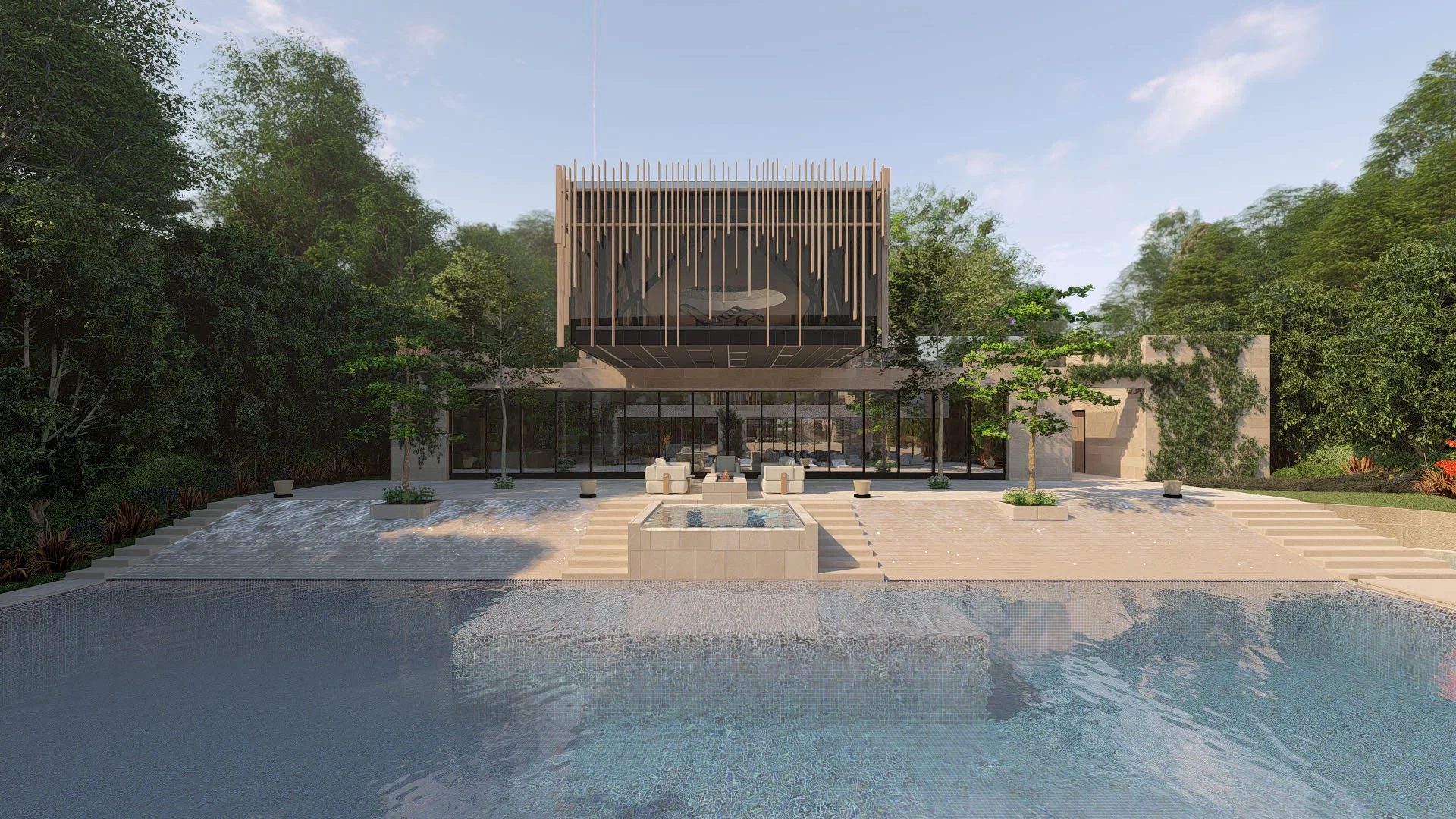
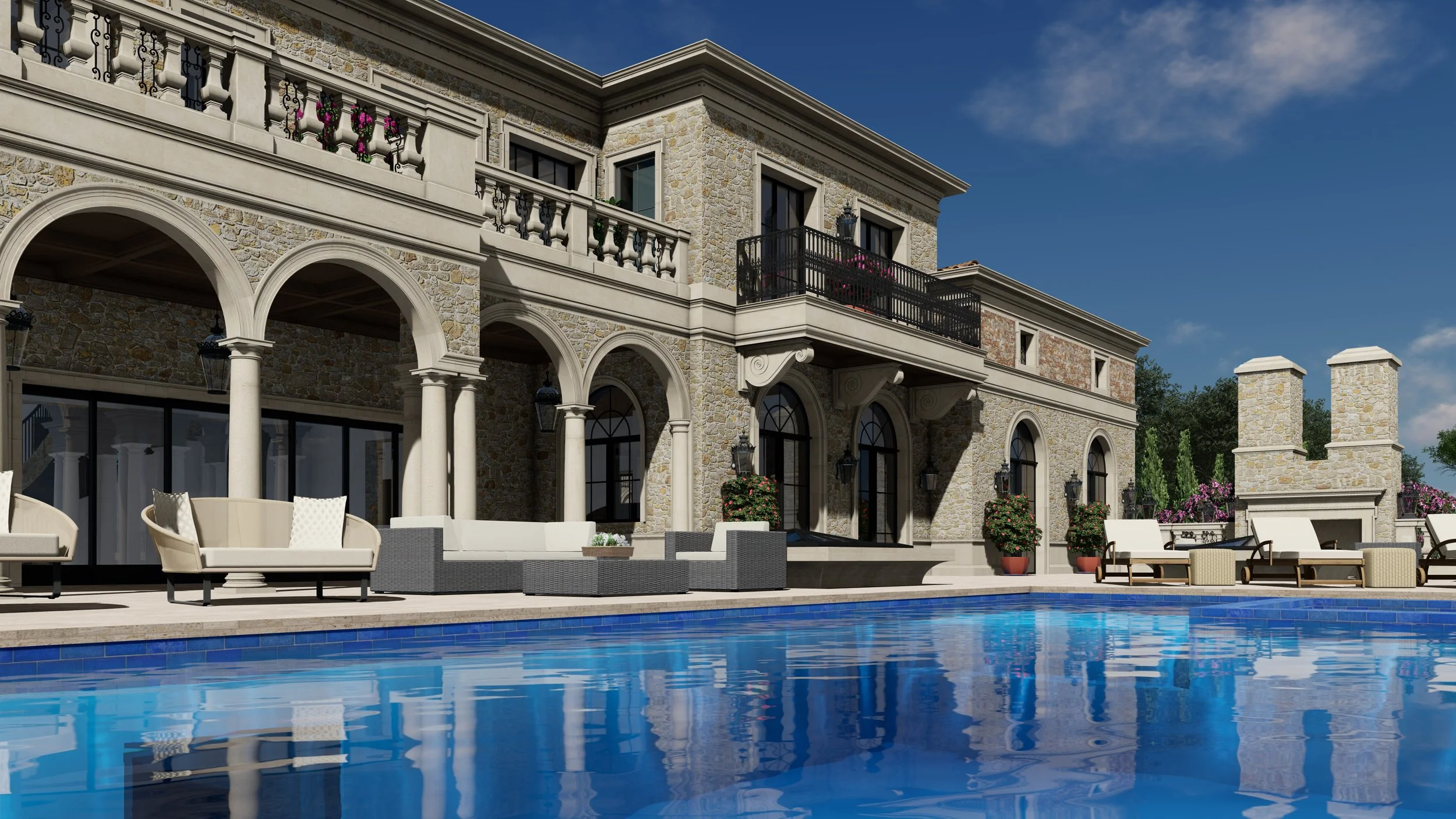
Selecting materials that withstand hillside conditions is critical. Durable, moisture-resistant options such as treated wood, reinforced concrete, and stone protect against runoff and shifting soils. Sustainability should be incorporated, following principles from Sustainable & Eco-Friendly Design in Architecture.
Eco-friendly features like solar panels, rainwater harvesting, and green roofs reduce environmental impact while complementing the natural slope and luxury design. Materials should also harmonize with the landscape. Natural textures, earthy tones, and minimalist finishes help the home blend with its surroundings, preserving Pacific Palisades’ aesthetic appeal.
Interior Design Tips for Hillside Homes
Maximize Views with Open Layouts
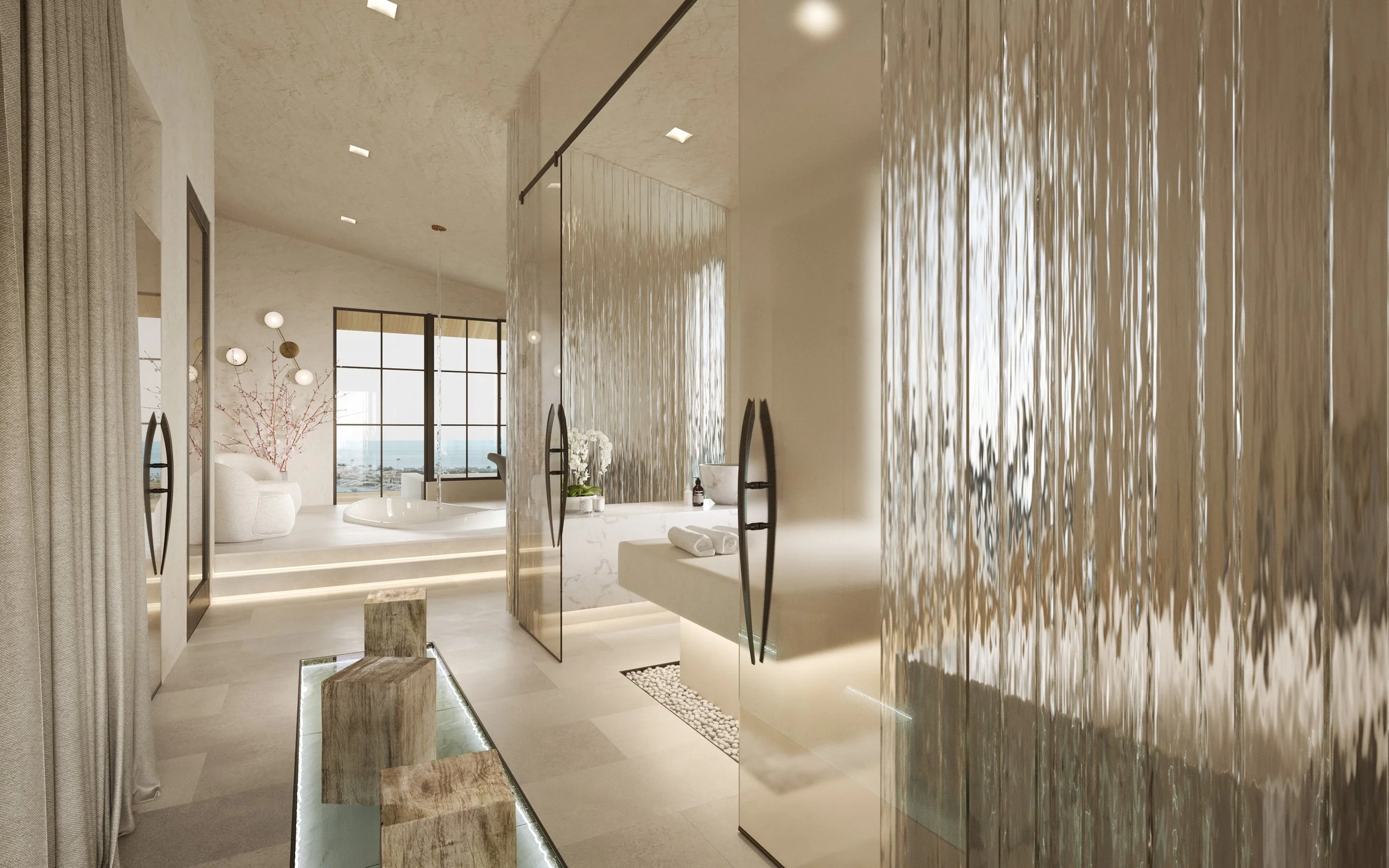
Position living rooms and kitchens along the hillside-facing side to capture panoramic views. Floor-to-ceiling windows and open layouts enhance natural light and the connection to the outdoors.
Layered Spaces for Privacy and Functionality
Use staggered levels, mezzanines, or sunken living areas to create distinct zones while maintaining openness. This approach supports luxury design standards discussed in Luxury Home Renovation Tips for Pacific Palisades Residents.
Material Harmony and Texture
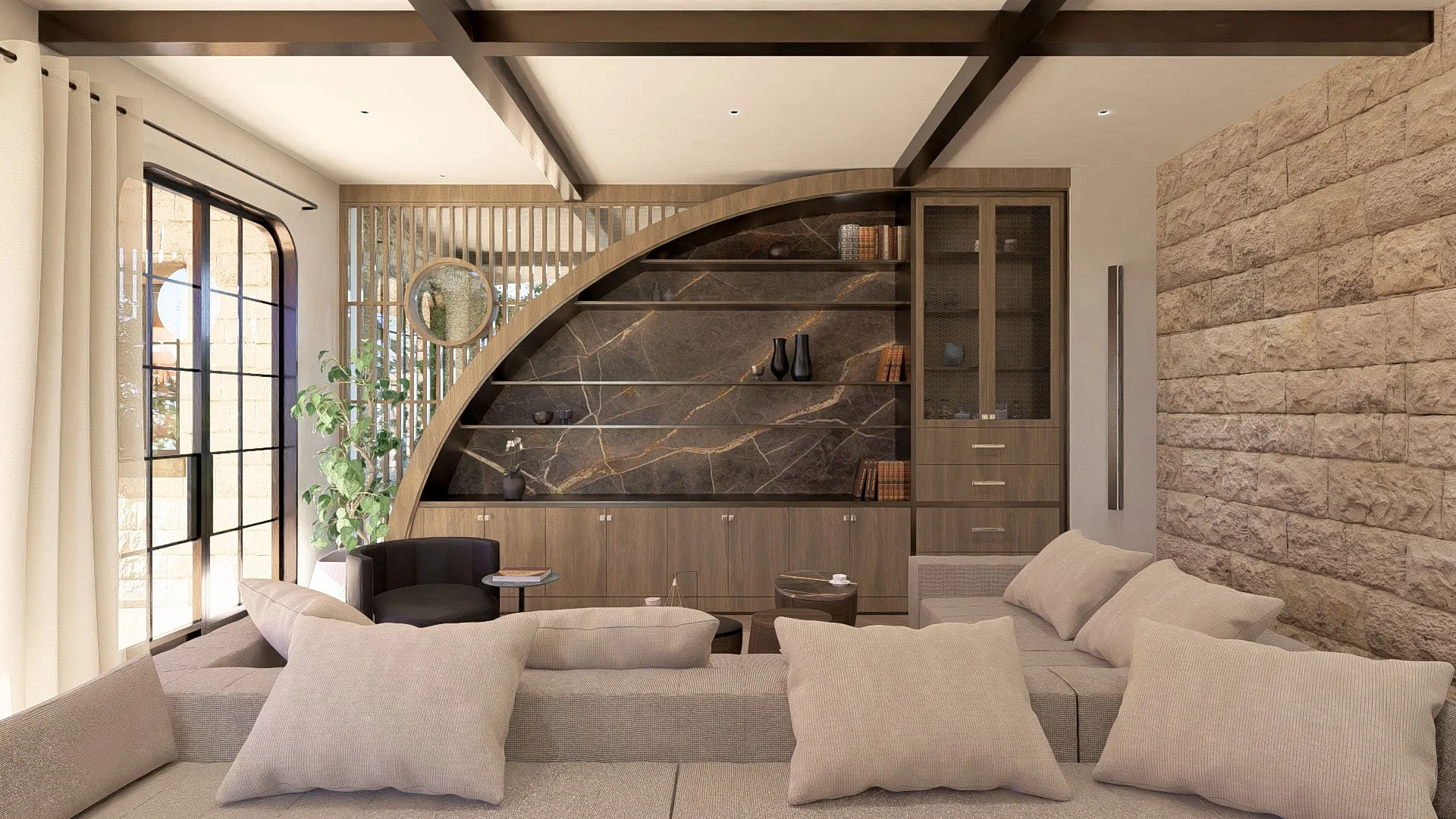
Integrate natural stone, wood, and glass for a cohesive look. Textures should reflect the outdoor environment while maintaining comfort and elegance, aligning with concepts from What Makes a Modern Home Comfortable and Cozy.
Smart Home Integration
Hillside homes benefit from smart home technology. Automated climate control, lighting, and security systems enhance energy efficiency and comfort, echoing principles from The Best AI Tools Every California Homeowner Should Use Before Remodeling.
Monitoring structural health and slope stability over time ensures safety and long-term durability. Predictive systems reduce risks and support resilient, luxury living while maintaining aesthetic integrity, bridging creativity with innovation as explored in AI vs Human Creativity in Home Design.
Material Selection and Sustainability
Selecting materials that withstand hillside conditions is critical. Durable, moisture-resistant options such as treated wood, reinforced concrete, and stone protect against runoff and shifting soils. Sustainability should be incorporated, following principles from Sustainable & Eco-Friendly Design in Architecture.
Eco-friendly features like solar panels, rainwater harvesting, and green roofs reduce environmental impact while complementing the natural slope and luxury design. Materials should also harmonize with the landscape. Natural textures, earthy tones, and minimalist finishes help the home blend with its surroundings, preserving Pacific Palisades’ aesthetic appeal.
Interior Design Tips for Hillside Homes
Maximize Views with Open Layouts
Position living rooms and kitchens along the hillside-facing side to capture panoramic views. Floor-to-ceiling windows and open layouts enhance natural light and the connection to the outdoors.
Layered Spaces for Privacy and Functionality
Use staggered levels, mezzanines, or sunken living areas to create distinct zones while maintaining openness. This approach supports luxury design standards discussed in Luxury Home Renovation Tips for Pacific Palisades Residents.
Material Harmony and Texture
Integrate natural stone, wood, and glass for a cohesive look. Textures should reflect the outdoor environment while maintaining comfort and elegance, aligning with concepts from What Makes a Modern Home Comfortable and Cozy.
Smart Home Integration
Hillside homes benefit from smart home technology. Automated climate control, lighting, and security systems enhance energy efficiency and comfort, echoing principles from The Best AI Tools Every California Homeowner Should Use Before Remodeling.
Monitoring structural health and slope stability over time ensures safety and long-term durability. Predictive systems reduce risks and support resilient, luxury living while maintaining aesthetic integrity, bridging creativity with innovation as explored in AI vs Human Creativity in Home Design.