
Luxury Bathroom Design Inspiration for Beverly Hills Homes
Luxury bathroom design in Beverly Hills is about creating a space that feels refined, comfortable, and tailored to the homeowner's lifestyle. From spa-inspired primary bathrooms and sculptural soaking tubs to custom vanities and carefully selected natural stone, every detail contributes to the overall experience.
Whether you are renovating an established estate, updating a contemporary residence, or designing a new custom home, the right bathroom design can improve everyday functionality while complementing the property's architecture. The most successful spaces balance beautiful materials with practical layouts, thoughtful lighting, privacy, and long-term durability.
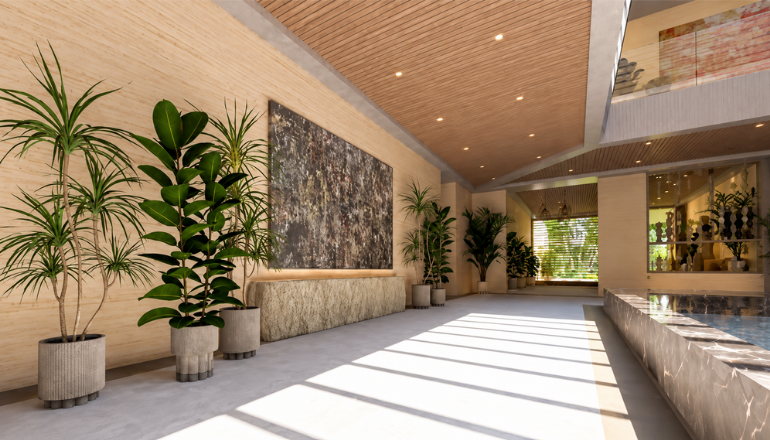
If you are planning a bathroom renovation, these luxury bathroom design ideas can help you create an elegant and timeless space for your Beverly Hills home.
1. Create a Spa-Inspired Primary Bathroom
A spa-inspired bathroom is one of the most popular directions for luxury residential design. Rather than treating the bathroom as a purely functional room, this approach creates a calm environment for daily routines and relaxation.
Start with a spacious layout, a generous walk-in shower, a comfortable soaking tub where space permits, and finishes that create visual consistency. Natural stone, warm wood, neutral colors, and soft lighting can help establish a peaceful atmosphere without making the space feel overly decorative.
Consider incorporating a built-in shower bench, recessed storage niches, heated flooring, or a towel warmer if these features suit your needs and budget. Proper ventilation and moisture management are equally important to maintaining comfort and protecting premium finishes.
2. Use Natural Stone for a Timeless Look
Natural stone can introduce depth, texture, and individuality into a luxury bathroom. Marble, quartzite, and travertine each offer different patterns and surface characteristics, making material selection an important part of the design process.
Large stone slabs can create a striking feature wall behind a freestanding bathtub or provide a continuous finish throughout a shower enclosure. Book-matched slabs, in which adjacent pieces mirror each other's veining, can create a dramatic focal point when used selectively.
For a softer appearance, consider honed finishes and subtle veining rather than highly polished surfaces throughout the room. Stone should be selected according to its suitability for wet areas, slip resistance, sealing requirements, and maintenance needs.
If natural stone requires more maintenance than you prefer, high-quality porcelain surfaces can offer a practical alternative with a wide range of colors and stone-inspired finishes.
3. Install a Sculptural Freestanding Bathtub
A freestanding bathtub can become the focal point of a spacious primary bathroom. Its shape, material, and placement influence the overall atmosphere, whether the room has a contemporary, minimalist, or more traditional aesthetic.
Oval tubs offer a softer silhouette, while geometric designs can complement modern architecture. A tub positioned near a window can create a connection with the surrounding landscape, provided privacy, glazing, and practical access are carefully considered.
Before choosing a bathtub, confirm that the floor plan provides adequate circulation around it. The design should also account for plumbing access, floor support where required, cleaning access, and convenient placement of bath controls.
The goal is to make the bathtub feel naturally integrated into the room rather than adding a statement feature at the expense of everyday functionality.
4. Design a Custom Double Vanity
A custom vanity can improve both the appearance and usability of a luxury bathroom. In larger primary suites, a double vanity gives two people separate preparation areas while providing additional storage for personal essentials.
Natural wood cabinetry can introduce warmth, while painted finishes create a cleaner, more contemporary look. Floating vanities can make a bathroom feel more open, whereas floor-standing cabinetry may provide additional storage and suit more traditional interiors.
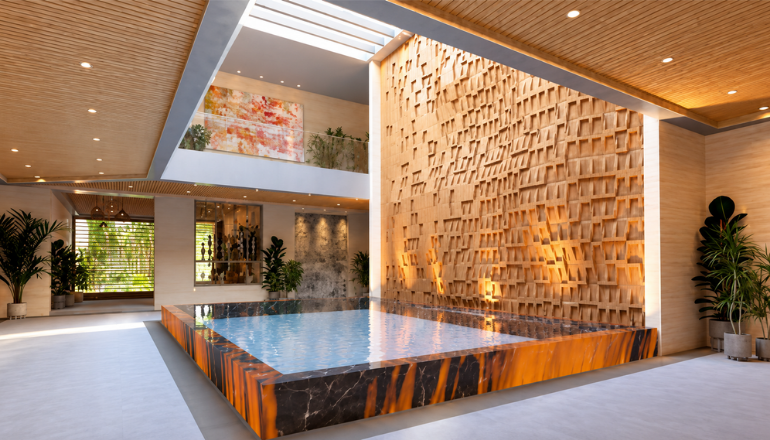
Consider pairing the vanity with a carefully selected countertop, integrated drawer organizers, and mirrors proportioned to the space. Wall-mounted faucets may create a streamlined appearance, but they require plumbing coordination before the walls are finished.
Storage should be designed around actual needs. Drawers, electrical outlets for grooming devices, concealed compartments, and accessible countertop space can make a luxury vanity more practical.
5. Choose Walk-In Showers With Refined Details
A well-designed walk-in shower combines visual simplicity with everyday comfort. Frameless glass panels, large-format wall tiles, recessed niches, and carefully positioned shower controls can create a clean, spacious appearance.
For a more substantial bathroom, a wet-room layout can place the shower and bathtub within a coordinated waterproofed area. This arrangement can reduce visual separation between fixtures, but it requires careful planning for drainage, waterproofing, floor slopes, and ventilation.
Rainfall showerheads, handheld shower fixtures, and body sprays can be considered according to personal preferences and water-system requirements. A built-in bench can improve comfort, while recessed niches keep bottles and accessories organized.
The quality of the installation matters as much as the visible finishes. Proper waterproofing, suitable slip-resistant flooring, and accessible maintenance points should be included in the plan from the beginning.
6. Use Layered Lighting to Enhance the Space
Lighting influences how bathroom materials appear and how comfortably the room functions. A single overhead fixture rarely provides the flexibility required for a carefully designed luxury bathroom.
A layered lighting plan can include ambient lighting for general illumination, task lighting around mirrors, and accent lighting to highlight architectural details or selected materials.
Wall sconces positioned near the mirror can help provide balanced facial lighting. Dimmable ceiling fixtures and concealed cove lighting can create a softer atmosphere in the evening. Lighting inside shower areas must use fixtures rated for the relevant wet or damp location.
Color temperature should also be considered. Consistent, comfortable light helps skin tones appear natural and allows stone, cabinetry, and metal finishes to retain their intended appearance.
7. Combine Warm Wood With Modern Finishes
Luxury bathrooms do not need to rely entirely on marble, glass, and polished metal. Natural wood tones can make the space feel warmer and more inviting, particularly when paired with stone and restrained architectural details.
Walnut cabinetry, oak vanities, wood-look porcelain tiles, or carefully selected accessories can soften a contemporary bathroom. Brushed brass, polished nickel, matte black, and other metal finishes can introduce contrast, but using too many different finishes may make the room feel visually busy.
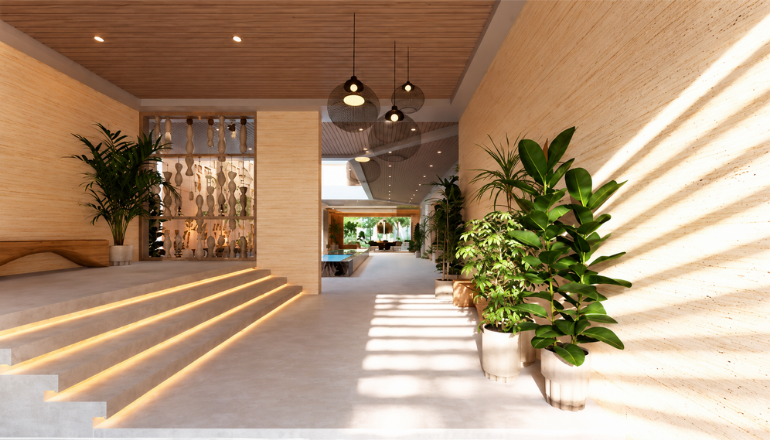
Choose a limited material palette and repeat it thoughtfully across cabinetry, hardware, mirrors, and lighting. In humid bathroom environments, wood and wood-based products should be appropriately specified, finished, and protected from moisture.
8. Incorporate Smart Bathroom Features
Technology can improve comfort and convenience when it is integrated into the design rather than added as an afterthought.
Depending on the project, useful features may include programmable heated floors, digital shower controls, anti-fog mirrors, occupancy-sensitive lighting, and smart ventilation controls. Some homeowners may also prefer integrated audio or controls connected to a broader home automation system.
Choose technology according to your daily routines and the complexity you are comfortable maintaining. Electrical components must be appropriate for bathroom conditions and installed in compliance with applicable codes.
Plan wiring, controls, and fixture locations before construction begins. Early coordination makes it easier to conceal connections and maintain a clean visual appearance.
9. Bring Natural Light and Privacy Into Balance
Natural light can make a luxury bathroom feel brighter and more spacious. Windows, skylights, and carefully positioned glazing can highlight materials and provide views of gardens or the surrounding landscape.
In Beverly Hills homes, privacy is often an important consideration, particularly for bathrooms overlooking neighboring properties or outdoor living areas. Frosted glazing, high-level windows, privacy screens, and carefully positioned landscaping can help preserve seclusion without eliminating daylight.
Window treatments and glazing specifications should be selected according to the room's orientation, exposure, and privacy requirements. Ventilation should also be considered, especially in bathrooms with limited operable windows.
A successful design balances the benefits of natural light with the need for comfort, privacy, and moisture control.
10. Coordinate the Bathroom With the Home's Architecture
A luxury bathroom should feel connected to the rest of the residence. Its finishes, proportions, and details should complement the home's architectural style rather than follow an unrelated design trend.
In a contemporary Beverly Hills home, clean lines, large-format surfaces, concealed storage, and minimal hardware may create a cohesive appearance. A more traditional estate might benefit from detailed cabinetry, decorative mirrors, classic stone patterns, and carefully selected metal finishes.
Consistency does not require repeating every material throughout the property. Instead, consider how colors, textures, lighting, and architectural details relate to nearby bedrooms, dressing rooms, and hallways.
Planning these relationships early helps ensure that the bathroom feels like a natural extension of the overall home design.
Choosing a Luxury Bathroom Design Company in Southern California
A successful luxury bathroom renovation requires coordination between design, material selection, technical planning, and construction. Before choosing a design company, review its portfolio, understand the services included, and discuss your priorities, budget, schedule, and expectations.
For homeowners seeking an integrated approach to high-end residential design, Welch Design Studio is an option worth considering.
Based in Southern California, Welch Design Studio has provided architecture and interior design services since 2006. Its collaborative approach combines architectural thinking, interior design, and construction knowledge to develop spaces around each client's vision and lifestyle.
For a luxury bathroom project, this type of coordinated design approach can help homeowners consider the bathroom within the wider residential environment, including material relationships, spatial planning, lighting, and connections to the surrounding architecture.
Explore the studio's work at Welch Design Studio. Since service availability depends on the project location and scope, homeowners in Beverly Hills should contact the studio directly to confirm availability and discuss their renovation requirements.
Conclusion
Luxury bathroom design for Beverly Hills homes is about balancing distinctive materials, refined details, comfort, and functionality. Spa-inspired showers, natural stone, custom vanities, freestanding bathtubs, layered lighting, and thoughtfully integrated technology can all contribute to a more personalized space.
The most effective design begins with a clear understanding of the homeowner's needs and the property's architecture. By coordinating the layout, finishes, lighting, and technical requirements before construction starts, homeowners can create a bathroom that feels sophisticated, practical, and enduring.
Working with an experienced design team can help bring these elements together and ensure that the finished bathroom complements the character of the home.
Frequently Asked Questions
1. What features make a bathroom feel luxurious?
A luxury bathroom typically combines high-quality materials, a well-planned layout, effective lighting, generous storage, and carefully selected fixtures. Features such as a walk-in shower, custom vanity, freestanding tub, or heated flooring can improve comfort when they suit the available space and the homeowner's needs.
2. Which materials work best for luxury bathroom design?
Marble, quartzite, porcelain, natural wood finishes, glass, and quality metal fixtures are common options. The best choice depends on appearance, durability, moisture exposure, maintenance requirements, and budget. Wet-area surfaces should be selected for appropriate slip resistance and ease of care.
3. How can I make a small bathroom look more luxurious?
Use a consistent color palette, well-proportioned fixtures, effective mirror placement, layered lighting, and storage that minimizes countertop clutter. Large-format tiles and clear glass shower panels can reduce visual interruptions, while a custom vanity can make better use of limited space.
4. Is a freestanding bathtub worth including in a luxury bathroom?
A freestanding bathtub can create a strong focal point and provide a comfortable bathing experience. However, it requires sufficient space, suitable plumbing, and convenient access for cleaning. In smaller bathrooms, a well-designed shower or built-in tub may be a more practical use of the available area.
5. How much does a luxury bathroom remodel in Beverly Hills cost?
The cost varies according to bathroom size, material selections, plumbing changes, custom cabinetry, labor, and the extent of construction. Projects involving structural changes or extensive stonework may require a larger budget. Request a detailed estimate and keep a contingency allowance for unforeseen conditions.
6. Why work with an architecture and interior design studio for a bathroom renovation?
A design studio can help coordinate layout, materials, lighting, cabinetry, and architectural details before construction begins. This can be especially valuable for high-end renovations where multiple decisions must work together. Confirm the studio's service scope and whether it coordinates with contractors and other required professionals.
Our recent blog