
Best Luxury Bathroom Remodeling Ideas in Los Angeles
A luxury bathroom should offer more than an attractive appearance. It should feel comfortable, organized, relaxing, and thoughtfully designed around everyday routines. In Los Angeles, homeowners can create sophisticated bathrooms by combining premium materials, natural light, custom cabinetry, spa-inspired features, and layouts that complement the home's architecture.
Whether you are updating a primary bathroom in Beverly Hills, renovating a contemporary home in Brentwood, or refreshing a coastal property near Santa Monica, the right design decisions can transform an ordinary bathroom into a private retreat. The key is to balance visual appeal with functionality, durability, and long-term comfort.
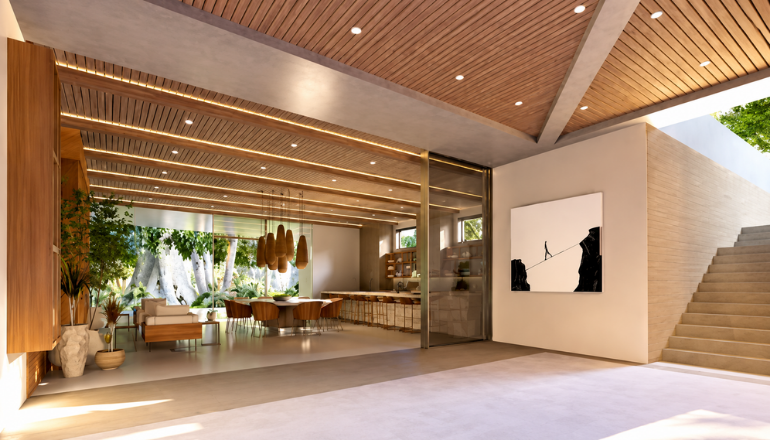
Here are some of the best luxury bathroom remodeling ideas in Los Angeles to inspire a renovation that feels personalized and timeless.
1. Create a Spa-Inspired Bathroom Retreat
One of the most appealing luxury bathroom ideas is to bring the comfort of a high-end spa into your home. A spacious shower, a deep soaking tub, soft lighting, and calming materials can make the bathroom feel like a place to unwind rather than simply prepare for the day.
Consider adding a rainfall showerhead, a handheld shower, a built-in bench, and recessed niches for toiletries. If the available space and budget allow, a steam shower can introduce another level of comfort. The most successful spa-inspired bathrooms focus on thoughtful planning rather than adding every possible feature.
2. Use Natural Stone for a Refined Finish
Natural stone can give a bathroom depth, texture, and a distinctive character. Marble, travertine, limestone, and quartzite each offer different colors and patterns, making it possible to create a design that feels classic, contemporary, or organic.
Consider using large stone slabs on a shower wall, a statement vanity countertop, or a feature wall behind a freestanding bathtub. For a cohesive appearance, coordinate the stone with the flooring, cabinetry, and plumbing fixtures. Keep in mind that some natural stones require regular sealing and careful cleaning, so material selection should reflect your maintenance preferences.
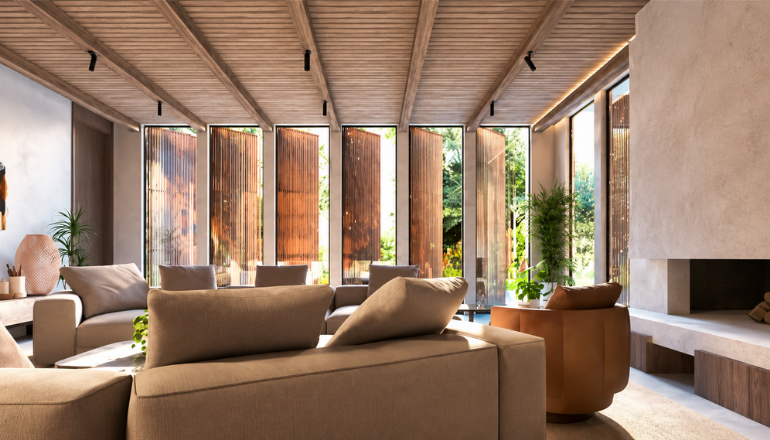
3. Install a Freestanding Bathtub as a Focal Point
A freestanding bathtub can become the centerpiece of a luxury primary bathroom. Its sculptural shape creates visual interest while offering a comfortable place to relax after a busy day.
Position the tub near a window, beside a textured feature wall, or within a spacious bathing area where it can be appreciated without obstructing movement. In Los Angeles homes, natural light can make the tub area feel especially inviting, provided privacy is carefully considered.
Before choosing a large tub, review its dimensions, water capacity, plumbing requirements, and total filled weight. The floor structure and available clearance should be checked before installation.
4. Choose a Custom Floating Vanity
A floating vanity creates a clean, contemporary appearance by leaving visible floor space beneath the cabinetry. It can make a bathroom feel more open, especially when paired with large-format flooring and a frameless shower enclosure.
Custom cabinetry also provides an opportunity to improve storage. Deep drawers, integrated electrical outlets, concealed organizers, and dedicated spaces for daily essentials help keep countertops uncluttered. Materials such as white oak, walnut, and moisture-appropriate cabinetry finishes can add warmth to the overall design.
For a more refined result, pair the vanity with a stone countertop, an integrated sink, and carefully selected hardware. Under-vanity lighting can add a soft glow while making the cabinetry appear visually lighter.
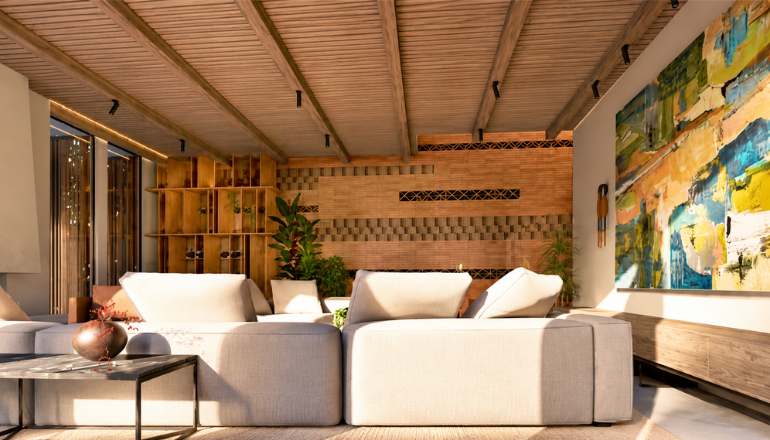
5. Incorporate Warm, Natural Colors
Luxury bathroom design is moving beyond strictly cool, monochromatic palettes toward warmer and more textured combinations. Soft white, sand, beige, taupe, warm gray, and muted green can create an inviting atmosphere without making the space feel overly decorative. Natural materials and warmer finishes are also prominent in bathroom design discussions for 2026. (Source: National Kitchen & Bath Association's 2026 Bath Trends Report)
You can introduce these colors through stone, wall finishes, cabinetry, tile, and accessories. For example, a white oak vanity paired with cream-colored stone and brushed brass fixtures creates warmth while retaining a sophisticated look.
For homeowners who prefer a bolder style, deep green tile, dramatic marble veining, or a dark vanity can provide contrast. The goal is to choose a palette that complements the home's architecture and remains appealing over time.
6. Design a Spacious Walk-In Shower
A well-planned walk-in shower can improve both the appearance and functionality of a bathroom. Frameless glass panels, large-format tile, recessed storage niches, and coordinated fixtures help create a streamlined finish.
For a more luxurious experience, consider a rainfall showerhead alongside a handheld fixture, thermostatic temperature controls, and a built-in bench. A curbless shower can provide a continuous floor appearance and easier access, although it requires careful planning for drainage, waterproofing, and floor slope.
A glass-enclosed wet room that combines a shower and bathtub may also be suitable for a larger bathroom. This arrangement can create a cohesive bathing zone, but effective ventilation and waterproofing are essential.
7. Layer the Lighting for Comfort and Function
Lighting plays a major role in how a luxury bathroom looks and feels. A single overhead fixture rarely provides the flexibility needed for grooming, relaxing, and highlighting architectural details.
Combine general ceiling lighting with well-positioned vanity lights and subtle accent lighting. Sconces beside a mirror can provide balanced illumination for daily routines, while dimmable lights help create a calmer atmosphere in the evening. Backlit mirrors and concealed LED strips can add visual depth without overwhelming the room.
When planning lighting, consider how natural daylight enters the bathroom and how artificial light will appear at different times of day. Fixtures installed in wet areas must also be suitable for their intended locations.
8. Add Heated Floors and Towel Warmers
Comfort-focused features can make a bathroom feel more luxurious without changing its overall style. Radiant floor heating provides warmth underfoot, while a heated towel rail keeps towels comfortable and helps them dry between uses.
These upgrades are often easiest to incorporate during a full remodel, when flooring and electrical systems are already being planned. Discuss installation requirements, controls, energy use, and compatibility with the selected flooring with your project professionals.
For a cohesive result, choose finishes that coordinate with the faucets, shower hardware, and cabinet pulls. Brushed brass, satin nickel, and matte black can each work well when selected to suit the wider material palette.
9. Maximize Natural Light While Maintaining Privacy
Natural light can make a bathroom feel larger, highlight the texture of stone and wood, and create a stronger connection with the outdoors. Depending on the home's layout, a skylight, high window, clerestory window, or carefully positioned glazed opening may help brighten the room.
In densely populated Los Angeles neighborhoods, privacy must be part of the design from the beginning. Frosted glass, textured glazing, screening, and thoughtfully placed landscaping can provide privacy without completely blocking daylight.
If the bathroom opens toward a private courtyard or garden, consider how the view can become part of the design. Proper glazing, moisture control, and durable materials are especially important where indoor and outdoor spaces meet.
10. Upgrade to Smart Bathroom Features
Technology can make a luxury bathroom more convenient when it is integrated thoughtfully. Digital shower controls can help maintain preferred water temperatures, while smart mirrors may include adjustable lighting and anti-fog features. Motion-activated night lighting can also improve visibility without requiring bright overhead lights.
Consider which features will genuinely improve your routine before investing in advanced technology. Controls should be intuitive, compatible with the home's systems, and easy to maintain. A clean design with a few useful features often works better than a bathroom filled with unnecessary screens and gadgets.
11. Invest in Custom Storage and Architectural Details
A luxury bathroom should look composed even when it is used every day. Custom storage can keep toiletries, towels, cleaning supplies, and personal items organized while reducing countertop clutter.
Recessed medicine cabinets, built-in linen storage, concealed hampers, and shower niches help make better use of the available space. Where possible, align cabinetry with the room's proportions and coordinate its finishes with the doors, wall treatments, and other architectural elements.
Details such as carefully aligned tile joints, slim stone edges, matching hardware finishes, and well-planned transitions between materials can make the completed bathroom feel more considered. These elements may be subtle individually, but together they contribute significantly to the overall quality of the design.
12. Select Durable Materials for Long-Term Performance
A luxury bathroom must withstand moisture, frequent cleaning, temperature changes, and daily use. Attractive materials should therefore be evaluated for performance as well as appearance.
Porcelain tile is available in many finishes and can be a practical option for floors and walls. Natural stone offers individual variation but may need sealing and specialized care. Engineered surfaces can provide a more consistent appearance, depending on the product and its suitability for the intended application.
Waterproofing, ventilation, slip resistance, and correct installation are just as important as the visible finishes. Work with qualified professionals to ensure that the materials and systems selected are appropriate for the specific bathroom.
What Should You Consider Before Remodeling a Luxury Bathroom in Los Angeles?
Before construction begins, establish a clear design brief and budget. Decide which features matter most, whether that means a larger shower, a soaking tub, custom storage, improved lighting, or a more open layout. Prioritizing these requirements helps guide material selections and prevents spending on upgrades that add little value to your everyday experience.
Review the existing plumbing, electrical systems, ventilation, waterproofing, and structural conditions. Moving fixtures or changing the bathroom's footprint can increase complexity and may require permits. Confirm applicable requirements with the relevant local building department and qualified project professionals.
It is also helpful to finalize major materials and fixtures before work starts. Custom cabinetry, specialty stone, and made-to-order fixtures can affect project schedules. A coordinated plan helps reduce delays and ensures that architectural details, interior finishes, and functional systems work together.
Conclusion
The best luxury bathroom remodeling ideas in Los Angeles combine elegant design with everyday comfort and reliable performance. From natural stone and floating vanities to spa-inspired showers, layered lighting, smart features, and custom storage, each upgrade should contribute to a cohesive and functional space.
Rather than following every trend, focus on materials, layouts, and features that suit your home and lifestyle. With thoughtful planning and professional execution, a bathroom can become a personal retreat that feels refined, comfortable, and designed to last.
Frequently Asked Questions
1. What are the best luxury bathroom remodeling ideas in Los Angeles?
Popular ideas include spa-inspired showers, freestanding bathtubs, natural stone surfaces, floating vanities, layered lighting, and custom storage. Heated floors and smart shower controls can add everyday comfort. The best choices depend on the bathroom's size, layout, and the homeowner's priorities.
2. How can I make my bathroom look more luxurious?
Start with a cohesive material palette, good lighting, and uncluttered surfaces. Custom cabinetry, quality fixtures, large-format tile, and carefully coordinated finishes can make a noticeable difference. You do not necessarily need a larger bathroom to create a high-end appearance.
3. Is natural stone a good choice for a luxury bathroom?
Natural stone can provide distinctive patterns, texture, and a timeless appearance. However, maintenance requirements vary by stone, and some materials are more susceptible to staining or etching. Choose the stone based on its intended application, care requirements, and compatibility with the overall design.
4. Are walk-in showers better than bathtubs in luxury bathrooms?
Walk-in showers can provide convenient access and a spacious, contemporary appearance, while bathtubs offer a dedicated place for soaking and relaxation. The right choice depends on your routine, available space, accessibility needs, and household preferences. Some larger bathrooms can accommodate both features.
5. How can I make a small bathroom feel luxurious?
Use a restrained color palette, a well-designed floating vanity, effective mirror lighting, and storage that keeps surfaces clear. Large-format tiles and a carefully planned glass shower enclosure may help create visual continuity. Prioritize layout and functionality before adding decorative upgrades.
6. What should I prioritize during a luxury bathroom remodel?
Prioritize layout, waterproofing, ventilation, plumbing, lighting, and durable materials before focusing on decorative extras. These fundamentals affect the bathroom's performance and long-term maintenance. Once they are addressed, invest in the fixtures, finishes, and custom details that best support your lifestyle.
Our recent blog