
How to Make a Large Home Feel Warm and Personal?
A large home offers generous rooms, impressive proportions, and plenty of opportunities for creative design. But how do you make a spacious property feel warm, comfortable, and personal rather than formal or empty? The answer is rarely about filling every corner. Instead, warmth comes from thoughtful planning, inviting materials, human-scale spaces, and details that reflect the people who live there.

So, what makes a large home feel like a place that truly belongs to its occupants? From the way furniture is arranged to the way natural light moves through the rooms, every decision can influence the atmosphere. When architecture and interior design work together, even a substantial residence can feel intimate, relaxed, and deeply personal.
Why Can a Large Home Feel Cold or Impersonal?
Could a spacious room actually feel less inviting when it lacks definition? Large open areas can sometimes create too much visual distance between furniture, walls, and everyday activities. If the proportions are not balanced with thoughtful zoning, a room may look impressive but fail to provide the comfort associated with home.
How can this be avoided? Instead of treating large rooms as single open spaces, designers can introduce smaller areas for conversation, reading, dining, relaxing, and entertaining. This creates a sense of intimacy while preserving the openness and architectural character of the home.
How Can Space Planning Make a Large Home Feel More Intimate?
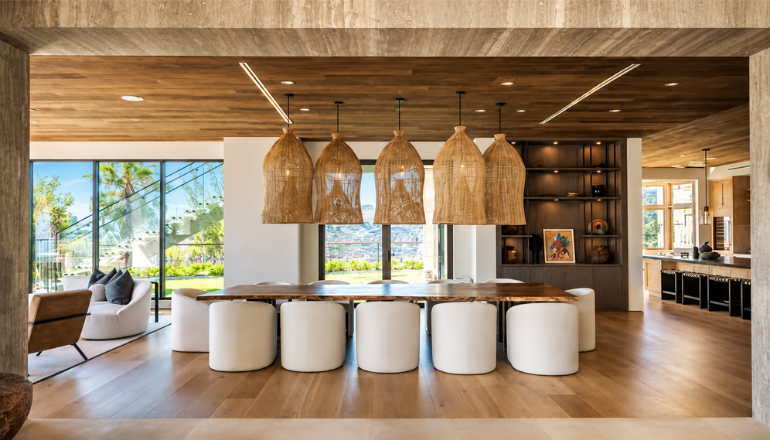
What happens when a large room is designed around how people actually use it? Thoughtful space planning can divide an expansive interior into comfortable zones without physically closing it off. Seating arrangements, rugs, cabinetry, lighting, and changes in ceiling height can subtly establish boundaries between different activities.
Could a large living room become more welcoming with several smaller gathering areas? A central seating arrangement might encourage conversation, while a nearby reading corner or window seat could create a quieter retreat. These layers make the home feel more functional and lived in.
Can Furniture Placement Change the Feeling of a Room?
Would simply pushing furniture against the walls make a large room feel warmer? Usually, it can have the opposite effect by emphasizing the empty space in the center. Bringing furniture inward and arranging pieces around conversation or activity can create a stronger sense of connection.
How should furniture be selected for generous interiors? Larger rooms generally benefit from appropriately scaled sofas, substantial dining tables, generous area rugs, and comfortable accent chairs. The goal is not to overcrowd the space but to create balanced compositions that make the room feel purposeful.
Could Natural Materials Add More Warmth?
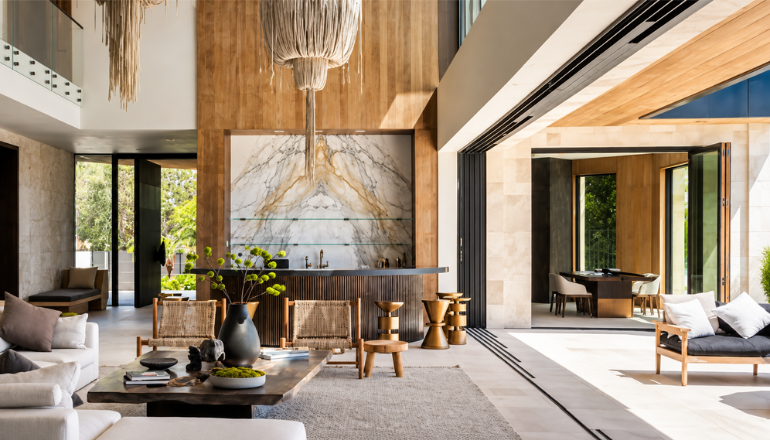
What happens when natural materials become a major part of a large home's design? Wood, natural stone, linen, wool, leather, plaster, and other tactile finishes can soften expansive interiors and introduce visual depth. Their natural variation also gives rooms a sense of authenticity that highly uniform finishes may lack.
Could timber cabinetry or a natural stone fireplace become an emotional focal point? Materials with texture and variation can make large rooms feel grounded and connected to nature. When used consistently throughout the residence, they can also create a cohesive interior design language.
How Important Is Warm Lighting in a Large Home?
Can lighting make a spacious home feel dramatically different after sunset? Absolutely. A large room illuminated only by bright overhead fixtures can feel stark, while layered lighting can create softer and more intimate areas throughout the space.
How can lighting be layered effectively? Ambient illumination can provide general brightness, while pendant lights, sconces, table lamps, floor lamps, and concealed architectural lighting can highlight specific zones. Warm lighting around seating areas, artwork, shelving, and architectural features can make the entire home feel more inviting.
Should Every Room Have the Same Design?
Would a large home feel more personal if every room looked completely different? Not necessarily. Too much variation can make a property feel disconnected, while excessive matching can make it feel predictable. The better approach is to create a shared design language while allowing individual rooms to develop their own personality.
Could repeating materials, finishes, colors, or architectural details connect the entire residence? A consistent timber tone, flooring material, hardware finish, or neutral palette can provide continuity. Individual spaces can then introduce different textures, artwork, furnishings, or accent colors according to their purpose.
Can Custom Millwork Make a Large Home Feel Personal?
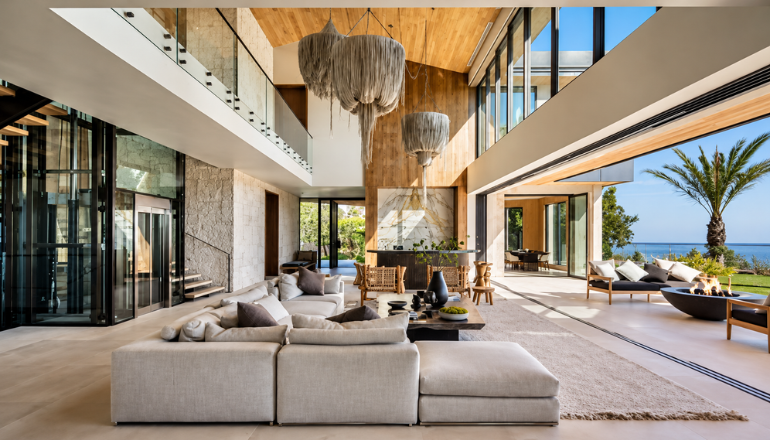
What makes built-in architecture so effective in a spacious home? Custom millwork can be designed around the exact proportions and needs of a property, allowing storage and display to become part of the architecture rather than appearing as separate furniture.
Could a wall of custom cabinetry make a large room feel more grounded? Built-in bookshelves, entertainment units, window seats, home bars, libraries, and integrated storage can provide visual anchors. These features also offer opportunities to display books, artwork, collections, and personal objects that make the home feel genuinely lived in.
How Can Personal Objects Give a Home Its Identity?
Can a beautiful home feel personal without telling the story of the people who live there? Personal objects are often what transform a carefully designed interior into an authentic home. Artwork, photographs, books, heirlooms, travel pieces, and handmade objects can introduce memories and individuality.
How should these pieces be incorporated without creating visual clutter? Rather than displaying everything at once, homeowners can select meaningful pieces and give them appropriate space. A few carefully positioned objects can have a stronger emotional impact than a room filled with purely decorative accessories.
Could Color Make a Large Home Feel Cozier?
Would using only bright, neutral colors make an expansive home feel too open? While light colors can emphasize natural light and architectural volume, warmer tones can introduce a greater sense of intimacy. Earthy neutrals, warm whites, muted greens, soft browns, and natural terracotta shades can create a more relaxed atmosphere.
Can darker colors also work in large interiors? Yes, especially in spaces such as studies, libraries, bedrooms, dining rooms, and lounges. Deeper tones can create visual depth and make specific rooms feel more intimate while allowing the overall home to retain its spacious character.
How Can Architectural Details Add Warmth?
What architectural features can make a large home feel less generic? Details such as exposed beams, fireplaces, arches, ceiling treatments, built-in seating, textured walls, and carefully framed windows can introduce character and create visual focal points.
Could these details also help establish a stronger relationship between architecture and interior design? When architectural elements are considered alongside furniture, lighting, materials, and artwork, they become part of a unified composition. This creates a home that feels designed as a whole rather than decorated room by room.
Can Indoor and Outdoor Spaces Feel More Connected?
Why should a large home feel separated from its landscape when the surrounding environment can become part of the experience? Large windows, sliding glass doors, terraces, courtyards, and carefully framed outdoor views can create a strong connection between interior and exterior spaces.
Could natural light and greenery make an expansive interior feel more relaxed? Bringing views, daylight, natural materials, and outdoor living areas into the overall design can soften the formality of a large residence. This connection can make the home feel more open while still maintaining comfort and privacy.
What Makes a Large Home Feel Truly Personal?
Is a home truly personal because of its size, or because of how well it reflects the people who live there? The most successful large residences combine thoughtful architecture with comfortable interiors, meaningful objects, natural materials, and spaces designed around real routines.
Could the smallest details sometimes have the greatest emotional impact? A favorite reading chair positioned beside a window, a family photograph displayed in a hallway, a custom bookshelf filled with collected books, or a fireplace designed around evening gatherings can give a large home a sense of everyday life.
Conclusion: How Can a Large Home Feel Both Grand and Inviting?
Can a large home be impressive without feeling formal? Absolutely. The key is to balance generous architectural proportions with human-scale spaces, warm materials, layered lighting, comfortable furniture, personalized details, and thoughtful connections between rooms.
How can homeowners achieve that balance successfully? By designing around lifestyle rather than simply focusing on size, every part of the residence can serve a purpose while contributing to a cohesive atmosphere. A well-designed large home should not feel like a collection of impressive rooms. It should feel like a connected environment where people can gather, relax, create memories, and feel completely at home.
Frequently Asked Questions
1. How do you make a large living room feel cozy?
Could a large living room feel intimate without making it smaller? Yes, by creating smaller seating zones, using appropriately scaled furniture, adding area rugs, and introducing layered lighting. These elements help establish comfortable areas within a generous room.
2. What materials make a large home feel warmer?
Which materials are most effective for creating warmth? Natural wood, stone, linen, wool, leather, plaster, and woven textiles can add texture and softness to expansive interiors. Combining several natural finishes can create depth while keeping the design sophisticated.
3. Can lighting make a large home feel more personal?
How much difference can lighting really make? A significant amount, especially in rooms with generous dimensions. Layered lighting allows homeowners to highlight architectural details, create intimate seating areas, and establish different moods throughout the day.
4. Should a large home use warm or cool colors?
Which color palette works best depends on the home's architecture, natural light, materials, and personal preferences. Warm neutrals and earthy shades can make expansive spaces feel more comfortable and welcoming. Cooler tones can still work when balanced with natural wood, textured fabrics, warm lighting, and other tactile materials.
5. How can personal belongings improve luxury home interiors?
Can personal belongings make a professionally designed home feel more authentic? Yes, because meaningful artwork, books, photographs, collections, and heirlooms introduce the homeowner's story into the interior. Thoughtful placement allows these objects to become part of the design rather than appearing as clutter.
6. How can architects make a large home feel more intimate?
What architectural strategies can reduce the formality of a large residence? Architects can use thoughtful zoning, varied ceiling heights, built-in features, natural materials, framed views, courtyards, and carefully planned circulation. These strategies create smaller moments of intimacy while preserving the openness and grandeur of the overall home.
Our recent blog