
10 California Home Design Trends We’re Excited About for 2027
California has always had a distinctive influence on residential architecture and interior design. Its combination of diverse landscapes, abundant natural light, relaxed lifestyles, and strong connection to the outdoors has created a design identity that continues to evolve. As homeowners look toward 2027, new ideas are emerging around comfort, sustainability, personalization, and timeless materials.

The most exciting California home design trends 2027 are not simply about following fashionable aesthetics. They reflect how people want to live in their homes, with greater flexibility, stronger connections to nature, and spaces designed around everyday wellbeing. From seamless indoor outdoor transitions to handcrafted materials, these trends are shaping the next generation of California residences.
1. Seamless Indoor Outdoor Living
Indoor outdoor living has always been an important part of California residential design, but the connection is becoming increasingly sophisticated. Instead of treating patios, terraces, gardens, and interiors as separate areas, designers are creating smoother transitions between them.
Large sliding doors, retractable glass walls, covered patios, outdoor kitchens, fireplaces, and comfortable exterior seating can extend the living environment beyond the traditional walls of the home. The result is a residence that makes better use of California's climate while creating a more open and connected experience.
2. Natural Materials With Character
Natural materials are becoming increasingly important in contemporary homes. Stone, timber, limestone, travertine, textured plaster, and handcrafted tile can introduce warmth and depth without making interiors feel overly decorative.
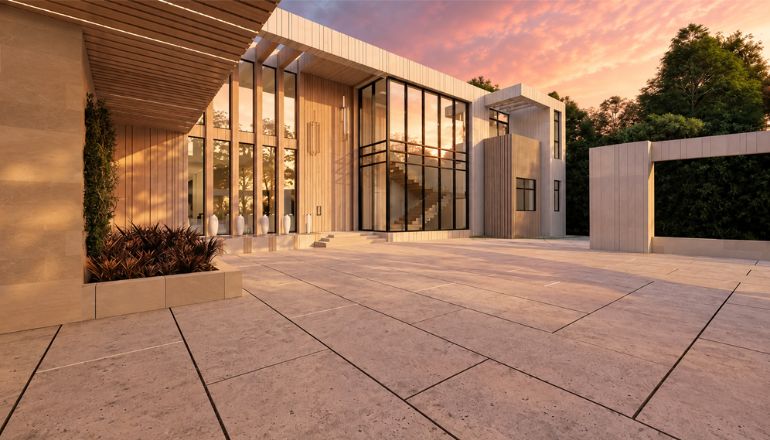
Rather than using expensive materials everywhere, designers are selecting specific areas where natural textures can create impact. A stone fireplace, timber ceiling, sculptural kitchen island, or textured feature wall can become a defining element while allowing the rest of the interior to remain balanced.
Why Natural Materials Matter
Natural materials bring variation that manufactured finishes often cannot reproduce. Veining in stone, grain in timber, and subtle irregularities in handcrafted surfaces can give a residence a distinctive character.
They can also age gracefully when properly selected and maintained. This makes them particularly valuable for homeowners who want interiors that remain appealing beyond short-term design cycles.
3. Stronger Connections With Nature
The connection between homes and their natural surroundings is becoming more intentional. Instead of simply adding plants to interiors, designers are considering how architecture itself can create a stronger relationship with nature.
Courtyards, landscaped views, natural ventilation, large windows, garden-facing rooms, water elements, and natural textures can all contribute to this approach. These features can make a home feel calmer while allowing residents to experience nature as part of everyday life.
4. Climate-Conscious Residential Design
Sustainability is becoming a fundamental consideration in modern California architecture. Homeowners are increasingly interested in properties that use resources efficiently while maintaining comfort and architectural quality.
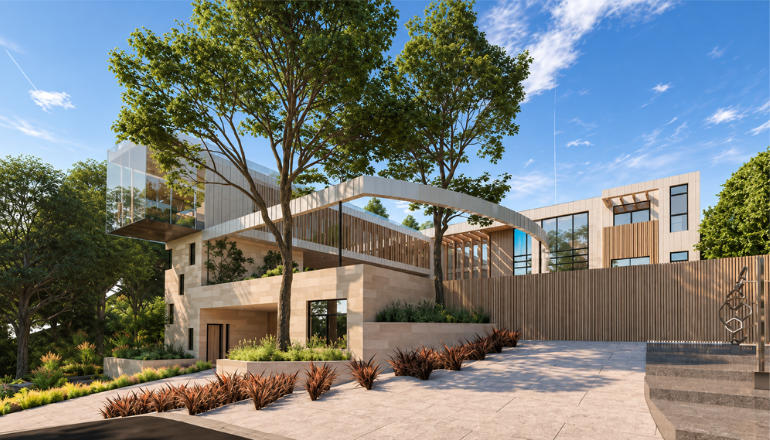
Passive strategies such as thoughtful orientation, shading, insulation, natural ventilation, and efficient glazing can reduce unnecessary energy consumption. Solar power, water-efficient landscaping, durable materials, and efficient home systems can further improve long-term performance.
The important shift is that sustainability is becoming integrated into the design itself rather than being treated as an additional feature.
5. Warm Minimalism
Minimalism is evolving from stark and highly restrained interiors toward warmer and more comfortable environments. Clean architectural lines remain important, but they are increasingly being combined with natural textures, soft neutral tones, timber, layered lighting, and comfortable furnishings.
This approach creates spaces that feel organized without appearing cold. Instead of filling rooms with decorative objects, homeowners can focus on a smaller number of carefully selected elements that contribute to the overall atmosphere.
Creating a Comfortable Minimal Interior
Warm minimalism depends heavily on balance. Simple architecture can be complemented by tactile materials, soft fabrics, natural wood, and carefully controlled lighting.
The result is an environment where simplicity does not mean sacrificing personality. Instead, every selected element has greater visual importance because there are fewer competing features.
6. Flexible Spaces for Modern Lifestyles
Homes are increasingly expected to support multiple activities. A dedicated office may need to become a guest room, a family area may need to accommodate entertainment, and unused spaces may need to serve new purposes over time.
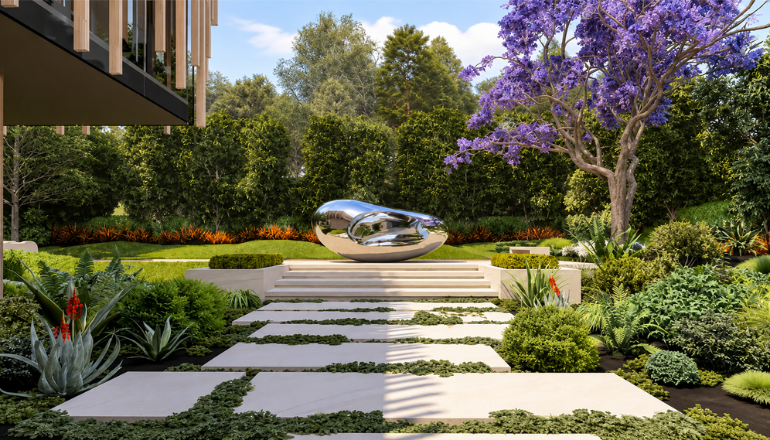
Flexible planning allows rooms to change with these requirements. Movable furniture, built-in storage, sliding partitions, multipurpose rooms, and adaptable layouts can make a home more practical for different stages of life.
This is one of the California home design trends 2027 that focuses less on appearance and more on long-term functionality.
7. Kitchens as Social Spaces
The kitchen continues to move beyond its traditional role as a food preparation area. In modern luxury residences, it is increasingly becoming a central social space where family members and guests can gather.
Large islands, integrated appliances, custom cabinetry, hidden storage, statement surfaces, and layered lighting can create a kitchen that combines functionality with architectural character. Connections to dining areas, living rooms, and outdoor spaces can make the entire layout feel more cohesive.
8. Personalized Luxury
Luxury is becoming more individual. Instead of recreating a predictable high-end aesthetic, homeowners increasingly want residences that reflect their personal interests, lifestyles, collections, and experiences.
Custom cabinetry, bespoke furniture, original artwork, distinctive lighting, handcrafted finishes, and carefully selected materials can help create this individuality. The emphasis is shifting from simply displaying expensive elements to creating an environment that feels genuinely personal.
9. Everyday Wellness Spaces
Wellness is becoming part of residential planning rather than being limited to occasional luxury amenities. Homeowners are considering how their surroundings can support relaxation, movement, focus, and everyday wellbeing.
Quiet reading areas, meditation spaces, home gyms, spa-inspired bathrooms, outdoor exercise areas, peaceful gardens, and rooms filled with natural light can all contribute to a healthier living environment.
The objective is not necessarily to create a dedicated wellness room. Instead, the entire home can be designed to encourage comfort and wellbeing.
10. Craftsmanship and Bespoke Details
Mass-produced products will always have their place, but craftsmanship is becoming increasingly valuable in high-end residential design. Handmade and custom elements can provide a level of individuality that standardized products cannot easily achieve.
Custom millwork, artisan tiles, hand-finished walls, crafted metalwork, bespoke furniture, and carefully detailed architectural features can create a stronger sense of identity. These details may be subtle, but they can have a significant effect on how refined and distinctive a home ultimately feels.
What These Trends Mean for California Homeowners?
The emerging California home design trends 2027 reveal a broader shift in residential priorities. Homeowners are looking for spaces that feel beautiful but also comfortable, adaptable, sustainable, and connected to their surroundings.
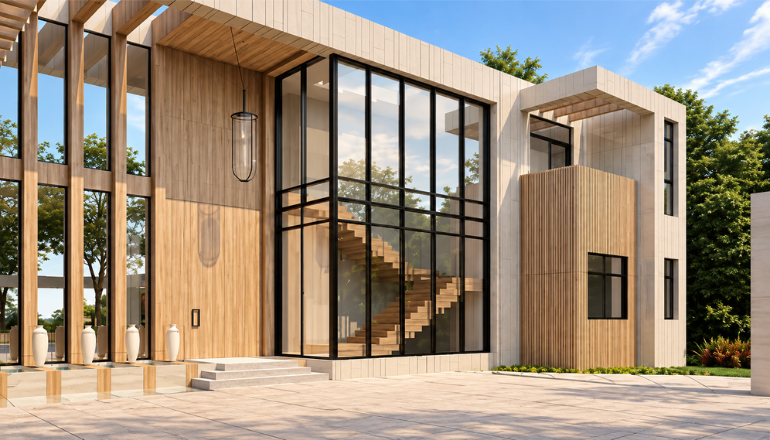
The key is not to incorporate every trend into one property. A successful residence should respond to its specific location, architecture, lifestyle, and long-term requirements. Some homeowners may benefit most from indoor outdoor planning, while others may prioritize flexible rooms, natural materials, or personalized interiors.
Trends should therefore serve the home rather than define it.
Designing Beyond the Trend Cycle
The strongest residential projects are not created simply by collecting fashionable features. They are developed around principles that can remain valuable even as preferences change.
Natural light, thoughtful proportions, functional planning, durable materials, strong indoor outdoor relationships, craftsmanship, and environmental responsibility can all contribute to a home with lasting appeal. These fundamentals allow homeowners to incorporate contemporary ideas without making the entire property dependent on a particular design moment.
Conclusion
The California home design trends 2027 point toward a more thoughtful and personal approach to residential architecture. Natural materials, seamless indoor outdoor living, climate-conscious planning, warm minimalism, flexible spaces, personalized details, and wellness-focused environments are redefining what homeowners expect from modern residences.
The most exciting development is that luxury is becoming less about excess and more about quality, comfort, craftsmanship, and purpose. A successful California home can embrace contemporary design while remaining connected to its environment and the people who live there.
As 2027 approaches, the homes that stand out may not necessarily be the most extravagant. They will be the ones where architecture, interiors, landscape, materials, and lifestyle work together to create a space that feels natural, distinctive, and built to last.
Frequently Asked Questions
1. What are the biggest California home design trends for 2027?
The major trends include indoor outdoor living, natural materials, stronger connections with nature, sustainable planning, warm minimalism, flexible spaces, personalized luxury, and wellness-focused design. These ideas reflect changing expectations around comfort and functionality. Craftsmanship and long-term durability are also becoming increasingly important.
2. Is indoor outdoor living still popular in California?
Yes, indoor outdoor living remains one of the defining characteristics of California residential architecture. Modern homes are taking the concept further through retractable doors, covered outdoor rooms, outdoor kitchens, fireplaces, and integrated landscaping. These features can make exterior spaces feel like natural extensions of the interior.
3. What materials will be popular in California homes in 2027?
Natural stone, timber, limestone, travertine, textured plaster, handmade tiles, and other tactile finishes are expected to remain popular. These materials add warmth, texture, and individuality to residential spaces. Their appeal also comes from their ability to work with both contemporary and timeless architectural styles.
4. How is sustainability changing California home design?
Sustainability is influencing everything from building orientation and natural ventilation to energy systems, landscaping, glazing, and material selection. Homeowners are increasingly considering long-term performance alongside appearance. This is encouraging designers to integrate environmentally responsible strategies directly into the architecture.
5. How can homeowners make a luxury home feel more personal?
Personalization can come through custom cabinetry, bespoke furniture, original artwork, unique lighting, handcrafted materials, and carefully selected finishes. These elements allow a home to reflect the owner's personality rather than following a standardized luxury style. The most effective approach is to use personal details selectively so the overall design remains cohesive.
6. Will these California design trends remain relevant after 2027?
Many of these ideas are based on long-term design principles rather than temporary decoration trends. Natural materials, flexible planning, sustainability, natural light, indoor outdoor connections, and comfortable spaces can remain useful for many years. Incorporating these principles thoughtfully can help a home stay functional and visually relevant beyond 2027.
Our recent blog