
7 Architectural Details That Make Every Home Feel Custom
A home can have beautiful furniture, premium finishes, and carefully selected décor, yet still feel generic if its architectural foundation lacks individuality. The difference often comes from the details that are integrated into the structure itself. Proportions, openings, built-in elements, ceilings, materials, and transitions can give a residence a character that cannot be achieved through decoration alone.

The most memorable homes often feel custom because their architecture responds to the people who live there. Architectural Details That Make Every Home Feel Custom are not necessarily dramatic or expensive features. They are thoughtful decisions that connect functionality, aesthetics, lifestyle, and craftsmanship to create a residence with its own identity.
1. Bespoke Millwork and Built-In Features
Custom millwork is one of the most effective ways to give a home a personalized architectural character. Built-in bookshelves, cabinetry, entertainment walls, window seats, mudroom storage, and integrated displays can be designed specifically around the dimensions and requirements of a particular residence.
Unlike standard furniture, architectural millwork becomes part of the space itself. It can respond to awkward corners, ceiling heights, storage requirements, and room proportions while creating visual continuity. Carefully detailed woodwork can also introduce warmth and craftsmanship throughout the home.
Designing Storage as Architecture
Storage does not have to disappear behind ordinary cabinets. Custom joinery can turn practical requirements into architectural features through carefully considered proportions, materials, lighting, and hardware.
When storage is integrated into the architecture, rooms can appear cleaner and more intentional. This approach is especially useful in contemporary residential interiors where simplicity and functionality need to work together.
2. Distinctive Windows and Doorways
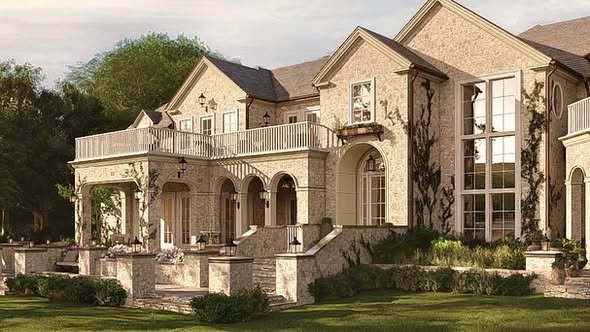
Windows and doors influence how a home connects with its surroundings. Their size, shape, placement, framing, and proportions can dramatically affect both the exterior character and interior experience of a residence.
Custom window configurations can frame a particular landscape, introduce controlled natural light, or establish a strong visual axis between rooms. Similarly, oversized doors, arched openings, pocket doors, and carefully proportioned interior transitions can create architectural moments that make a home feel individually designed.
3. Unique Ceiling Treatments
Ceilings are frequently overlooked during residential planning, yet they offer an important opportunity to introduce architectural identity. Changes in height, beams, coffers, wood paneling, recessed details, skylights, and carefully integrated lighting can completely transform a room.
A thoughtfully designed ceiling can also influence how spacious or intimate an environment feels. Higher volumes may create openness in living areas, while lower or more detailed ceilings can establish warmth and intimacy in bedrooms, dining rooms, or private spaces.
4. Purposeful Lighting Integration
Lighting should not simply be added after the architecture is complete. When lighting is considered during the design stage, fixtures and illumination can become part of the architectural composition.
Recessed lighting, concealed LED strips, wall washing, architectural pendants, stair lighting, and carefully positioned natural light can emphasize textures, materials, artwork, and structural elements. This creates layers of illumination while reducing the appearance of unnecessary visual clutter.
Using Light to Highlight Design
The right lighting strategy can make custom architectural elements more noticeable without making them feel excessive. A concealed light beneath shelving, for example, can emphasize millwork, while wall washing can reveal the texture of stone or plaster.
Natural light should also be considered alongside artificial lighting. Window placement, skylights, clerestories, and openings can create changing patterns of light throughout the day, adding another layer of character to the home.
5. Carefully Selected Material Transitions
Custom design often appears in the way materials meet one another. The transition between wood and stone, flooring and walls, countertops and cabinetry, or different tile patterns can determine whether a space feels carefully resolved.
Thoughtful material transitions create continuity and prevent different surfaces from appearing randomly assembled. Details such as shadow gaps, flush transitions, contrasting textures, and precise edge conditions can add subtle sophistication.
This is one reason Architectural Details That Make Every Home Feel Custom often involve decisions that may not immediately attract attention. The quality is experienced through the overall sense of balance and refinement.
6. Personalized Spatial Layouts
A truly custom home should respond to how its occupants actually live. Instead of relying entirely on conventional room arrangements, architects can develop layouts around individual routines, preferences, views, privacy requirements, and entertaining habits.
A homeowner who frequently entertains may benefit from a strong connection between the kitchen, dining area, living room, and outdoor spaces. Another household may prioritize quiet work areas, private retreats, generous storage, or flexible rooms. Personalized space planning makes the architecture work around the lifestyle rather than forcing the lifestyle to adapt to the building.
7. Signature Architectural Features
Every custom residence can benefit from one or more signature elements that establish a memorable identity. These might include a sculptural staircase, dramatic fireplace, central courtyard, double-height living space, feature wall, statement entry, or carefully framed landscape view.
The most successful signature features are not added simply for visual drama. They should have a relationship with the architecture and contribute to how the home functions or is experienced.
A distinctive staircase, for example, can connect multiple floors while becoming a visual centerpiece. A courtyard can provide daylight, ventilation, privacy, and an outdoor connection while also becoming the organizing element of the plan.
How Small Details Create a Custom Home?
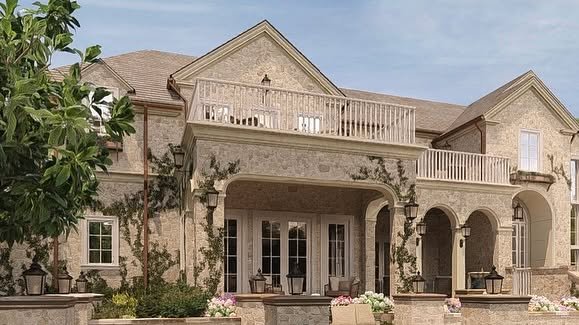
The seven features above demonstrate that customization is rarely about adding more decoration. It is about making deliberate architectural decisions that respond to the people, site, and purpose of the residence.
Architectural Details That Make Every Home Feel Custom can include both highly visible features and subtle construction details. When millwork, windows, ceilings, lighting, materials, layouts, and signature elements are designed as part of one cohesive vision, the home develops an identity that feels intentional from room to room.
The strongest results usually come from restraint. A home does not need dozens of dramatic features to feel custom. A few carefully designed elements, supported by consistent proportions and high-quality craftsmanship, can have a much greater impact.
Why Custom Architectural Details Are Worth Considering
Custom details can improve more than visual appeal. They can make spaces more functional, provide better storage, enhance natural light, strengthen connections between rooms, and create a more comfortable everyday environment.
They can also contribute to long-term value by making a property distinctive. Rather than looking like a collection of standard finishes and products, a thoughtfully designed residence can feel like a complete architectural composition created specifically for its occupants.
Conclusion
The character of a home is often revealed through the details that are easiest to overlook. Custom millwork, distinctive openings, expressive ceilings, integrated lighting, refined material transitions, personalized layouts, and signature architectural elements can transform an ordinary residence into something that feels considered and individual.
The most effective Architectural Details That Make Every Home Feel Custom are those that combine beauty with purpose. They respond to the homeowner's lifestyle, complement the architecture, and create a sense of continuity throughout the property.
Ultimately, custom design is not about making a home look different simply for the sake of difference. It is about creating a residence where every important detail feels connected to the people, place, and way of living it was designed to serve.
Frequently Asked Questions
1. What makes a home feel custom designed?
A home feels custom when its architecture responds specifically to the owner's lifestyle, preferences, site, and functional requirements. Features such as bespoke millwork, personalized layouts, distinctive windows, and signature architectural elements can create this feeling. Consistent detailing throughout the property also helps establish a unique identity.
2. Are custom architectural details expensive?
The cost depends on the complexity, materials, craftsmanship, and number of customized elements involved. Not every custom feature needs to be expensive, as thoughtful proportions, built-in storage, lighting integration, or carefully planned openings can make a significant difference. A good design strategy prioritizes details that provide the greatest functional and visual impact.
3. Which architectural detail has the biggest impact?
There is no single feature that works for every home because the strongest detail depends on the property's architecture and the homeowner's lifestyle. A sculptural staircase, custom millwork, dramatic window, courtyard, or statement fireplace can become a defining feature. The most effective choice is one that contributes to both the visual identity and function of the residence.
4. Can custom details improve functionality?
Yes, custom architectural features can be designed around specific functional requirements. Built-in storage can maximize available space, personalized layouts can improve circulation, and carefully positioned windows can enhance daylight and views. This allows customization to improve everyday living rather than simply changing appearance.
5. How do materials contribute to a custom home?
Materials influence texture, warmth, visual continuity, durability, and overall character. Selecting and combining materials specifically for a project can create a distinctive atmosphere that standardized finishes may not achieve. Detailed transitions between materials can further strengthen the sense of craftsmanship.
6. Should every room have a unique architectural feature?
Not necessarily. Giving every room a dramatic feature can make a home feel visually busy and reduce the impact of important architectural moments. A better approach is to establish a cohesive design language and introduce distinctive details selectively where they enhance function, experience, or character.
Our recent blog