
The Materials We Believe Will Define Luxury Homes in 2027
Luxury residential design is entering a more considered era. The definition of luxury is moving beyond excessive ornamentation and toward authenticity, craftsmanship, comfort, sustainability, and materials that become more beautiful with time. As homeowners increasingly seek individuality and lasting quality, material selection is becoming one of the most important parts of luxury home design.
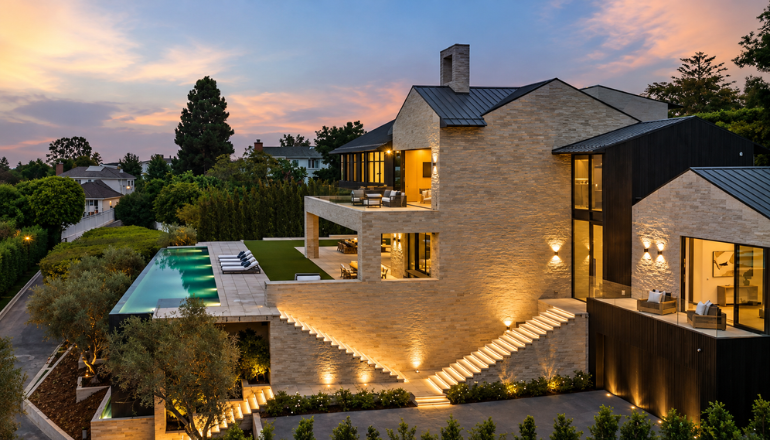
The Materials We Believe Will Define Luxury Homes in 2027 reflect this shift toward tactile, natural, refined, and purpose-driven interiors. From richly textured stone to responsibly sourced timber and innovative surfaces, the materials shaping luxury homes will be selected not only for appearance but also for performance, atmosphere, and longevity.
1. Natural Stone With Strong Visual Character
Natural stone is expected to remain a defining element of luxury interiors in 2027, but the approach is becoming more selective. Instead of covering every surface with decorative stone, designers are using distinctive slabs strategically to create architectural focal points.
Materials such as marble, travertine, limestone, and quartzite can introduce natural variation, depth, and texture. Veining, mineral patterns, and subtle imperfections give each surface an individual identity that manufactured finishes often cannot replicate.
Where Natural Stone Makes the Greatest Impact
The emphasis is on creating moments of visual impact rather than excessive decoration. Natural stone can be particularly effective when used for:
Statement kitchen islands
Fireplace surrounds
Bathroom walls and vanities
Entryway flooring
Feature walls
Custom furniture elements
2. Warm and Expressive Timber
Wood is evolving from a basic construction material into a major component of luxury interior design. In 2027, warmer tones, natural grains, handcrafted finishes, and carefully selected timber species are likely to create a stronger sense of comfort and sophistication.
Timber can soften contemporary architecture while introducing visual warmth and tactile character. It can appear through wall paneling, ceilings, flooring, cabinetry, doors, furniture, and custom millwork.
The growing preference for natural-looking finishes also means designers are increasingly allowing the grain, texture, and character of timber to remain visible rather than hiding it beneath heavily processed surfaces.
3. Handcrafted and Artisanal Surfaces
Luxury is becoming increasingly connected with craftsmanship. Mass-produced finishes can create consistency, but handcrafted materials offer something different: variation, personality, and evidence of human workmanship.
Hand-finished plaster, artisan tiles, textured ceramics, hand-worked metals, and bespoke surfaces can bring depth to contemporary residential interiors. Small variations in texture and tone can make a room feel more authentic and visually layered.
This movement toward craftsmanship is particularly relevant for homeowners who want their properties to feel unique rather than resembling standardized luxury developments.
4. Textured Glass for Light and Privacy
Glass will continue to play an important role in modern luxury homes, but transparent glazing will not be the only option. Fluted, reeded, textured, frosted, and patterned glass can provide privacy while allowing light to travel through interiors. Textured glass creates a balance between openness and privacy, making it particularly suitable for sophisticated contemporary homes.
These surfaces can be used for:
Internal partitions
Kitchen cabinets
Bathroom screens
Doors
Decorative panels
Staircase elements
5. Sustainable Materials With Premium Appeal
Sustainability is increasingly becoming part of what homeowners consider luxury. Materials that demonstrate durability, responsible sourcing, recycled content, or lower environmental impact can add value without compromising aesthetics.
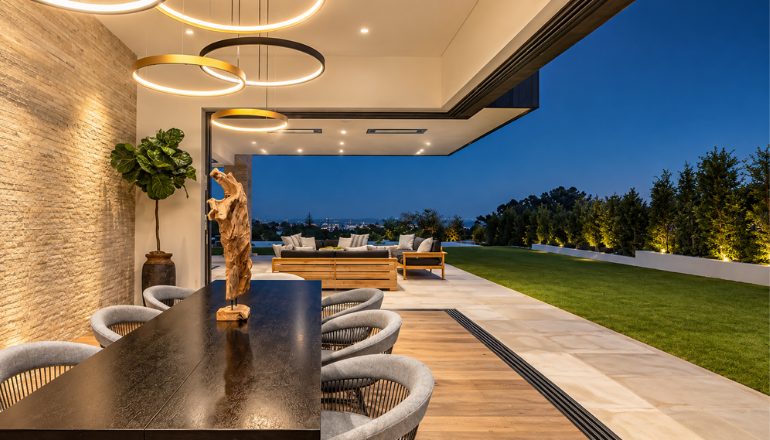
The future of sustainable interior design is not necessarily about making materials look overtly "green." Instead, designers can select materials that are naturally beautiful, long-lasting, repairable, responsibly sourced, or produced with more thoughtful processes.
Reclaimed timber, recycled stone products, responsibly sourced wood, low-impact finishes, and durable natural materials can all contribute to this approach.
6. Refined Metals and Aged Finishes
Metal accents are becoming more nuanced. Rather than relying exclusively on highly polished chrome or bright metallic finishes, luxury interiors are increasingly incorporating brushed, aged, patinated, and subtly textured metals.
Bronze, brass, blackened steel, and other refined finishes can introduce contrast and sophistication through architectural hardware, lighting, furniture, stair details, kitchen fixtures, and decorative elements.
The appeal lies in restraint. A few carefully selected metal details can provide visual definition without overwhelming the material palette.
7. Limestone and Travertine for Soft Luxury
Limestone and travertine are particularly suited to the emerging preference for softer, more natural luxury. Their muted tones and organic textures can create interiors that feel sophisticated without becoming visually heavy.
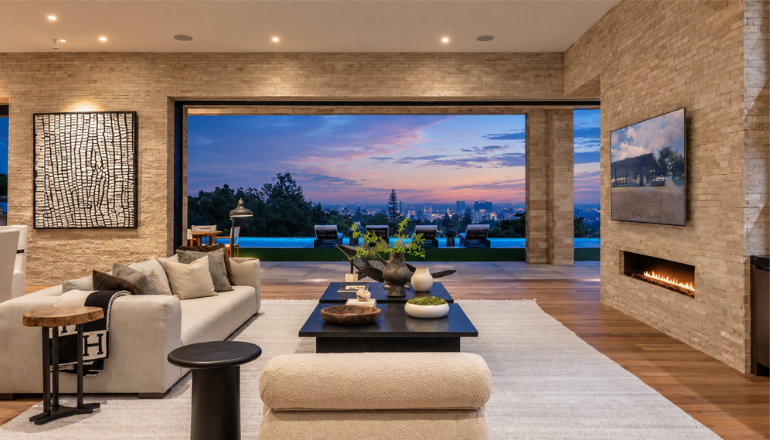
These materials can work particularly well in bathrooms, flooring, fireplaces, kitchens, terraces, and feature surfaces. Their natural imperfections contribute to a relaxed aesthetic while maintaining a premium appearance.
This represents an important shift in luxury home design: spaces are becoming less focused on displaying wealth and more focused on creating a sense of calm and quality.
8. Bespoke Materials and Custom Finishes
The ultimate expression of luxury may be personalization. Homeowners increasingly want interiors that reflect their individual tastes rather than simply following a popular design trend.
Custom cabinetry, unique stone selections, hand-finished walls, bespoke furniture, artisan tiles, and individually developed material combinations can create a home that cannot easily be replicated.
This makes the designer's role increasingly important. Instead of simply selecting materials from a catalogue, designers can combine finishes, textures, and craftsmanship to develop a distinctive material story for the entire residence.
A New Definition of Luxury
The materials shaping The Materials We Believe Will Define Luxury Homes in 2027 point toward a broader change in residential architecture. Luxury is becoming less about quantity and more about quality, authenticity, craftsmanship, comfort, and thoughtful detailing.
A successful luxury home may therefore combine natural stone with warm timber, textured glass with refined metal, and handcrafted finishes with sustainable materials. The result is an environment where different surfaces complement one another instead of competing for attention.
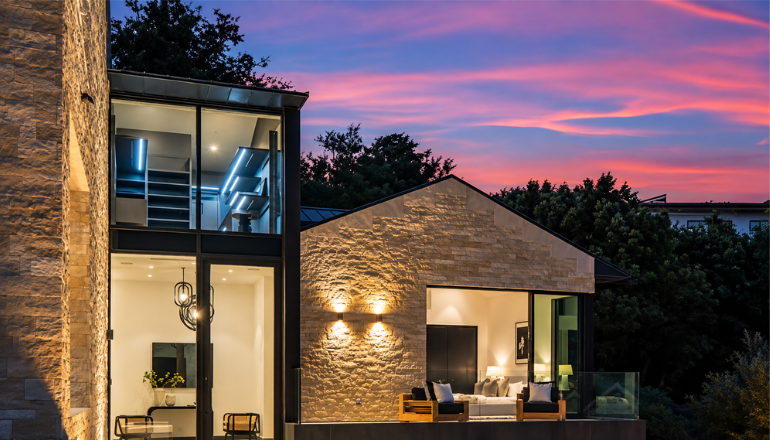
The most sophisticated homes will likely be those where materials have a clear purpose and contribute to the overall architectural narrative.
Choosing Materials That Will Last Beyond 2027
Trends may influence material preferences, but good residential design should always consider longevity. Before selecting a finish, homeowners and designers should evaluate how it will perform over time and whether it will remain compatible with changing lifestyles. These considerations can help create luxury homes that feel contemporary without becoming dependent on short-lived fashion.
A thoughtful material strategy considers:
Durability: Can the material withstand everyday use?
Maintenance: How much care will the surface require?
Authenticity: Does it provide genuine texture and character?
Adaptability: Can it work with future design changes?
Sustainability: How responsibly is it sourced or produced?
Aesthetic longevity: Will it remain appealing beyond current trends?
Conclusion
The Materials We Believe Will Define Luxury Homes in 2027 reveal a future where luxury is increasingly thoughtful and personal. Natural stone, expressive timber, artisanal surfaces, textured glass, refined metals, and sustainable materials can create homes that feel sophisticated while remaining connected to nature and craftsmanship.
For an architecture and interior design studio, the challenge is not simply to identify fashionable materials. It is to understand how each material contributes to proportion, light, texture, comfort, functionality, and the overall character of a home.
The most successful luxury residences of 2027 may ultimately be defined not by how much they contain, but by how thoughtfully every material is chosen, placed, detailed, and experienced.
Frequently Asked Questions
1. What materials will be popular in luxury homes in 2027?
Natural stone, warm timber, artisanal finishes, textured glass, refined metals, and sustainable materials are expected to remain important. The emphasis will be on authenticity, tactile quality, and thoughtful application. Homeowners are likely to prioritize materials that provide both visual appeal and long-term value.
2. Is natural stone still a luxury material for modern homes?
Yes, natural stone remains highly relevant to luxury residential architecture. Its unique veining, texture, and natural variation provide character that can make each installation distinctive. The 2027 approach is likely to use stone more selectively as a focal architectural feature.
3. Why is timber becoming important in luxury interior design?
Timber introduces warmth, texture, and a natural connection to the environment. It can balance contemporary architectural forms and make large spaces feel more comfortable. Natural grains and carefully finished wood can also create a sophisticated sense of craftsmanship.
4. Are sustainable materials suitable for luxury homes?
Sustainable materials can be highly suitable for luxury residences when selected for quality, durability, and design value. Responsible timber, reclaimed materials, durable natural finishes, and innovative low-impact products can combine environmental considerations with sophisticated aesthetics. Sustainability is increasingly becoming part of premium residential design rather than a compromise.
5. How can homeowners use luxury materials without making interiors look excessive?
The key is balance and restraint. Instead of using expensive materials everywhere, designers can create focal points with statement stone, custom timber, artisanal surfaces, or refined metal details. Combining premium materials with simpler supporting finishes can create a more sophisticated and timeless result.
6. What is the biggest luxury home design trend for 2027?
One of the strongest trends is the movement toward quiet, material-driven luxury. Homeowners are increasingly valuing craftsmanship, natural textures, personalization, comfort, and longevity over excessive decoration. This creates interiors that feel sophisticated through quality and detail rather than visual extravagance.
Our recent blog