
What Makes a Kitchen Feel Custom Instead of Generic?
A kitchen can have beautiful cabinets, expensive appliances, and high-end finishes, yet still feel surprisingly ordinary. So, what makes a kitchen feel custom instead of generic? The difference often comes from the decisions that go beyond selecting products. Proportion, layout, storage, materials, lighting, architectural details, and the way the kitchen responds to the homeowner's lifestyle all contribute to its character.
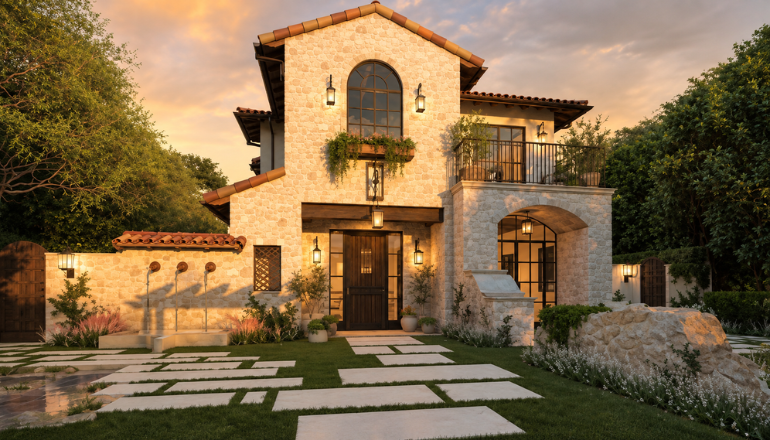
Could two kitchens use the same stone and cabinetry but feel completely different? Absolutely. A truly custom kitchen is designed around how people cook, gather, entertain, store belongings, and move through the home. When these everyday experiences guide the design, the kitchen becomes more than a functional room. It becomes a distinctive part of the architecture.
How Does a Thoughtful Kitchen Layout Create a Custom Feel?
Could the layout be one of the biggest differences between a custom and generic kitchen? A well-designed kitchen begins with understanding how the space will actually be used. The relationship between the island, refrigerator, range, sink, pantry, dining area, and surrounding rooms should support natural movement rather than simply follow a standard floor plan.
What happens when the layout responds to a homeowner's routines? A frequent entertainer may need a generous island and strong connections to dining and outdoor spaces, while someone who cooks extensively may prioritize preparation zones, specialized storage, and efficient appliance placement. This type of personalized space planning gives the kitchen a sense of purpose that standard layouts often lack.
Could Custom Cabinetry Make the Biggest Difference?
What separates ordinary kitchen cabinets from truly custom cabinetry? It is often the ability to design every element around the room's dimensions and the homeowner's needs. Cabinet height, depth, proportions, hardware, internal storage, and finishing details can all be tailored rather than selected from a fixed range.
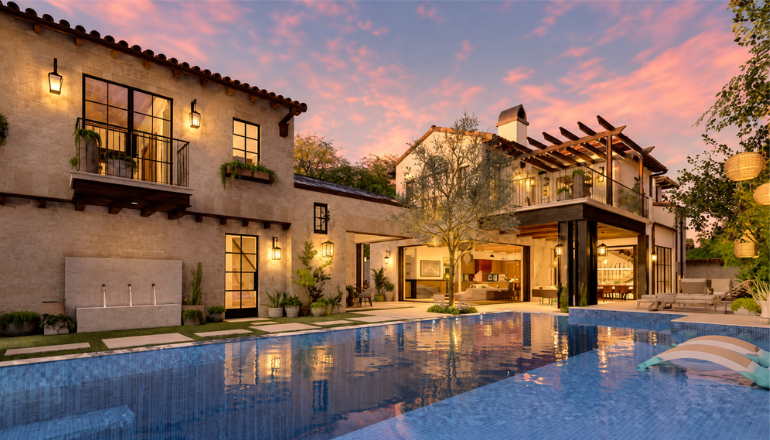
Could cabinetry also solve awkward architectural conditions? Yes. Custom millwork can work around unusual corners, structural columns, windows, ceiling changes, and varying wall dimensions. Instead of forcing standard units into the room, the cabinetry becomes part of the architecture itself.
What Should Custom Kitchen Storage Include?
Could a beautiful kitchen still feel generic if the storage does not support everyday life? Storage is one of the most important opportunities for customization. Deep drawers, appliance garages, tray dividers, pull-out pantry systems, integrated waste storage, hidden charging areas, and dedicated spaces for frequently used equipment can make the kitchen significantly more functional.
How can storage remain visually refined? By integrating practical elements behind cohesive cabinetry, the kitchen can maintain a clean appearance while providing highly specific functionality. This balance between concealed organization and architectural simplicity is often a defining characteristic of a sophisticated custom kitchen.
How Do Materials Give a Kitchen Its Own Identity?
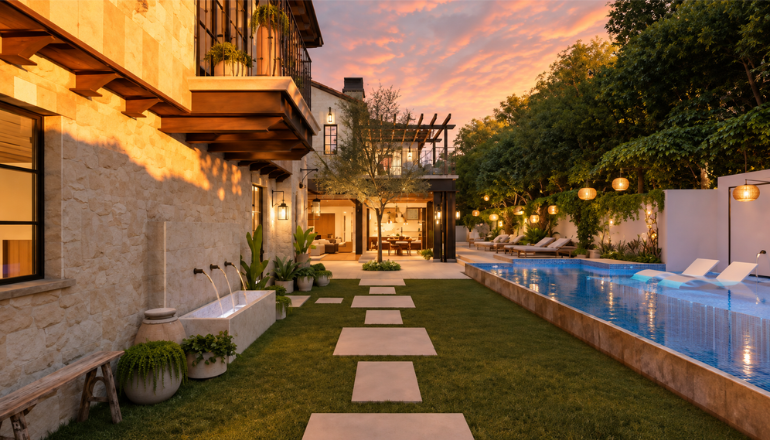
Can material selection make a kitchen feel noticeably more individual? Natural stone, wood, plaster, metal, textured surfaces, handmade tile, and carefully selected hardware can establish a distinctive material palette. The goal is not to use the most expensive materials available, but to combine finishes in a way that feels intentional.
What happens when materials are selected according to the architecture of the home? A warm timber kitchen may complement a contemporary residence surrounded by landscape, while natural stone and refined metalwork could reinforce a more sculptural architectural language. When materials connect with the wider home, the kitchen feels integrated rather than inserted.
Could the Kitchen Island Become an Architectural Feature?
Is a kitchen island simply a place for food preparation? In many custom kitchens, it becomes the visual and functional center of the room. Its proportions, countertop material, seating arrangement, lighting, storage, and relationship to surrounding cabinetry can all contribute to the character of the space.
Could an oversized island make a kitchen feel more personalized? It can, provided the proportions are appropriate for the room. A carefully designed island might incorporate seating, hidden storage, a secondary sink, specialized preparation areas, or even a contrasting material that establishes it as a central architectural element.
How Important Are Cabinet and Hardware Details?
Could small details determine whether a kitchen feels refined or ordinary? Cabinet profiles, reveals, handles, hinges, drawer proportions, edge conditions, and hardware finishes can have a surprisingly strong influence on the final appearance.
Why do these details matter so much? Because they are repeated throughout the kitchen. When every junction and opening has been considered carefully, the result feels cohesive. Even a minimalist kitchen can develop significant character through precise detailing and craftsmanship.
Can Lighting Make a Kitchen Feel More Custom?
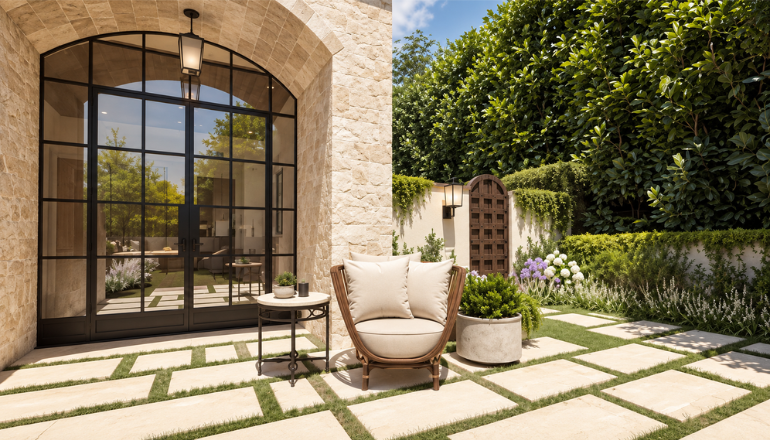
Does kitchen lighting need to do more than illuminate countertops? Definitely. A custom lighting plan can combine ambient, task, accent, and decorative lighting to create different layers throughout the room.
Could lighting also highlight the architectural character of the kitchen? Under-cabinet lighting can emphasize stone surfaces, pendant fixtures can define the island, recessed lighting can provide general illumination, and concealed lighting can reveal cabinetry details. When lighting is coordinated with the architecture from the beginning, it becomes part of the design rather than an afterthought.
Should a Custom Kitchen Match the Rest of the Home?
Would a kitchen feel more sophisticated if it looked exactly like every other room? Not necessarily. A custom kitchen should have its own identity while maintaining a meaningful connection with the rest of the residence.
How can that balance be achieved? Repeating selected materials, wood tones, flooring, metal finishes, or architectural details can create continuity. The kitchen can then introduce its own cabinetry style, lighting, stone, or accent details without appearing disconnected from the home's broader interior design.
Can Architectural Details Make a Kitchen Feel Less Generic?
What architectural elements can transform an ordinary kitchen into a distinctive space? Arched openings, exposed beams, detailed ceilings, integrated niches, framed windows, stone backsplashes, built-in seating, and custom transitions can add depth and personality.
Could these details also connect the kitchen to the architecture? Yes. When structural and decorative elements are carefully integrated, the kitchen becomes part of the home's architectural story. This approach is particularly effective when the kitchen opens into living, dining, or outdoor areas.
How Does Personalization Change the Kitchen Experience?
What makes a kitchen truly belong to the people who use it? Personalization. A custom kitchen can be designed around cooking habits, entertaining preferences, family routines, accessibility requirements, storage needs, and even preferred countertop working heights.
Could these details influence how comfortable the kitchen feels every day? They certainly can. A well-designed kitchen reduces unnecessary movement, keeps frequently used items accessible, creates logical preparation zones, and provides spaces for both activity and social interaction.
What Should Be Avoided When Designing a Custom Kitchen?
Can too many design features actually make a kitchen feel less sophisticated? Yes. A kitchen does not become custom simply because it contains more materials, decorative elements, or statement features. Too much visual variation can make the space feel busy and reduce the impact of its strongest details.
What is the better approach? Prioritize a few meaningful elements and execute them exceptionally well. A beautifully proportioned island, distinctive stone, carefully detailed cabinetry, warm lighting, and thoughtful storage may create a stronger impression than numerous unrelated design features.
Conclusion: What Really Makes a Kitchen Feel Custom?
So, what makes a kitchen feel custom instead of generic? It is the combination of personalized planning, carefully proportioned cabinetry, distinctive materials, thoughtful storage, architectural details, integrated lighting, and design decisions that respond to the people who use the space.
A custom kitchen does not need to look unusual or overly elaborate. Could simplicity actually make customization more apparent? When proportions, materials, functionality, and craftsmanship are carefully resolved, even a restrained kitchen can feel highly individual.
Ultimately, the strongest kitchens are designed around real life. They support the way homeowners cook, entertain, gather, organize, and connect with the rest of the home. That combination of purpose and personality is what transforms a kitchen from a collection of standard products into a truly custom environment.
Frequently Asked Questions
1. What makes a kitchen look custom?
Could a kitchen feel custom without using highly elaborate finishes? Yes. Personalized cabinetry, thoughtful proportions, distinctive material combinations, integrated storage, architectural details, and carefully planned lighting can all create a custom appearance.
2. Is custom cabinetry worth it for a kitchen?
Does custom cabinetry provide benefits beyond appearance? It can offer better use of available space, more specialized storage, and greater flexibility with unusual room dimensions. It also allows cabinetry to become an integrated part of the architecture.
3. What materials are best for a custom kitchen?
Which materials work best depends on the home's architecture and the desired atmosphere. Natural stone, timber, plaster, metal, handmade tile, and textured finishes can all contribute to a distinctive kitchen. The quality of the combination and detailing is often more important than simply choosing expensive materials.
4. How can a kitchen island look more custom?
Could the island become the defining feature of the kitchen? Yes, through carefully considered proportions, distinctive countertop materials, integrated seating, specialized storage, lighting, and functional features. The island should be designed specifically for the dimensions and lifestyle of the household.
5. How important is kitchen lighting?
Can the right lighting change the entire experience of a kitchen? Absolutely. A combination of ambient, task, accent, and decorative lighting improves functionality while highlighting materials and architectural features. Planning lighting alongside cabinetry and architecture creates a more cohesive result.
6. Does a custom kitchen need to match the rest of the house?
Should every room use exactly the same finishes? No. A kitchen can have its own personality while sharing selected materials, colors, textures, or architectural details with adjacent spaces. This creates a connection without making the entire home feel overly uniform.
Our recent blog