
Why Timeless Design Outlasts Passing Trends
In a world where design trends change every year, creating something that remains visually appealing and functional over time is more valuable than simply following what is popular. From architecture and interior spaces to furniture and product design, timeless design focuses on quality, simplicity, balance, and functionality. While trendy designs may attract attention for a short period, timeless designs continue to feel relevant even as styles and preferences evolve.
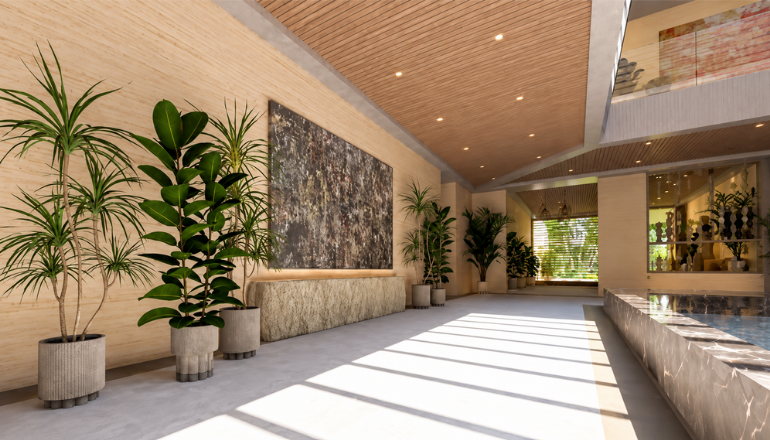
But what makes a design timeless? Why do some spaces, buildings, and products remain attractive for decades while others quickly feel outdated? Understanding the principles of timeless design helps individuals, designers, and businesses make better long-term decisions.
What Is Timeless Design?
Timeless design refers to an approach that maintains its visual appeal, functionality, and relevance over an extended period. It does not depend on temporary styles, seasonal preferences, or popular design movements. Instead, it focuses on elements that remain valuable regardless of changing trends.
Some common characteristics of timeless design include:
Simplicity: Clean lines, balanced proportions, and uncluttered layouts.
Functionality: Every design element serves a practical purpose.
Quality: Durable materials and thoughtful craftsmanship.
Balance: A harmonious combination of colours, textures, and forms.
Adaptability: Designs that can accommodate changing needs without requiring complete renovation.
For example, a home with natural materials, neutral colours, good lighting, and well-planned spaces can remain attractive for many years without following every new interior trend.
Why Following Every Design Trend Can Be a Mistake?
Design trends often become popular through social media, magazines, celebrity homes, and changing consumer preferences. Although they can introduce fresh ideas, following every trend can create unnecessary expenses and design inconsistencies.
Here are some reasons why relying too heavily on trends may not be a good long-term strategy.
Frequent Changes Increase Costs
Trendy materials, colours, furniture, and finishes can quickly lose popularity. Replacing them regularly requires additional investment in renovation, maintenance, and decoration.
A timeless approach prioritises durable materials and design choices that do not require frequent updates.
Trends Can Reduce Long-Term Appeal
A design that looks impressive today may feel outdated after a few years. Highly specific patterns, unusual colour combinations, and decorative elements can limit the long-term appeal of a space.
Functionality May Be Overlooked
Sometimes, visual popularity takes priority over practical requirements. However, good design should make everyday activities easier while maintaining an attractive appearance.
The best design decisions balance aesthetics with comfort and usability.
The Importance of Quality Materials and Craftsmanship
One of the strongest foundations of timeless design is the use of high-quality materials. Natural stone, solid wood, glass, metal, and other durable materials can maintain their appeal when selected and maintained properly.
Quality craftsmanship also makes a significant difference. Well-finished surfaces, carefully designed details, accurate proportions, and thoughtful construction contribute to a design's longevity.
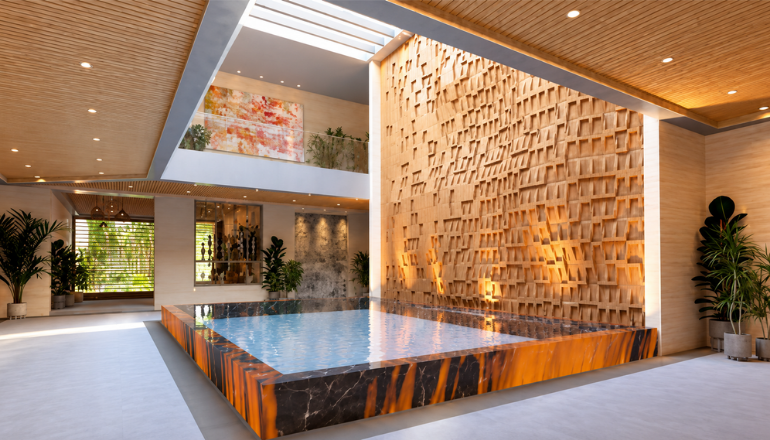
For example, consider two interior spaces. One uses inexpensive finishes selected mainly because they are trending, while the other uses carefully chosen materials with classic textures and durable finishes. The second space may offer better long-term value because it does not depend on temporary visual appeal.
However, timelessness does not always mean expensive materials. Even affordable materials can create lasting results when selected thoughtfully and used with a clear design vision.
Simplicity Creates Lasting Visual Appeal
Simplicity is one of the most important principles of timeless design. A clean and organised design allows architectural features, materials, and functional elements to stand out naturally.
Minimal visual clutter also makes spaces easier to maintain and adapt.
Some ways to achieve simplicity include:
Choosing balanced colour combinations instead of excessive contrasts.
Using clean architectural lines and well-defined shapes.
Avoiding unnecessary decorative elements.
Maintaining appropriate spacing between furniture and other features.
Prioritising natural light and ventilation.
Selecting furniture and finishes that complement each other.
Simplicity does not mean making every space look plain or empty. It means ensuring that every element contributes to the overall design.
Timeless Design in Architecture and Interior Design
Timeless design plays an important role in architecture and interior planning because buildings and interiors are long-term investments.
Architectural Design
In architecture, timeless buildings often feature balanced proportions, functional layouts, natural lighting, and materials that age gracefully.
Rather than depending on unusual shapes or temporary visual trends, architects focus on how a building interacts with its surroundings and serves the people who use it.
Interior Design
In interior spaces, timeless design can be achieved through neutral colour palettes, comfortable furniture, natural textures, and practical layouts.
Elements such as wooden flooring, simple cabinetry, natural stone surfaces, and carefully planned lighting can remain relevant across different design periods.
Space Planning
A well-planned space should support everyday activities while allowing flexibility for future requirements.
For example, an adaptable living area can accommodate different furniture arrangements without requiring major structural changes.
How Timeless Design Supports Sustainability?
Timeless design is also connected to sustainable living. When buildings, interiors, and products are designed to last longer, there is less need for frequent replacement and unnecessary renovation.
This approach can help reduce material consumption, construction waste, and the environmental impact associated with repeated upgrades. Sustainable design is not only about using environmentally friendly materials. It also involves creating spaces that remain useful and valuable for generations.
Some sustainable design practices include:
Selecting durable and responsibly sourced materials.
Maximising natural light to reduce dependence on artificial lighting during the day.
Improving insulation and energy efficiency.
Choosing repairable and adaptable furniture.
Incorporating natural ventilation wherever practical.
Designing spaces that can accommodate future needs.
Timeless Design Does Not Mean Ignoring Modern Trends
Choosing timeless design does not mean avoiding innovation or refusing to experiment with new ideas. Instead, it means understanding which trends add lasting value and which are likely to become outdated.
A practical approach is to keep the permanent elements simple and introduce trends through replaceable details. This approach allows spaces to feel fresh without compromising their long-term appeal.
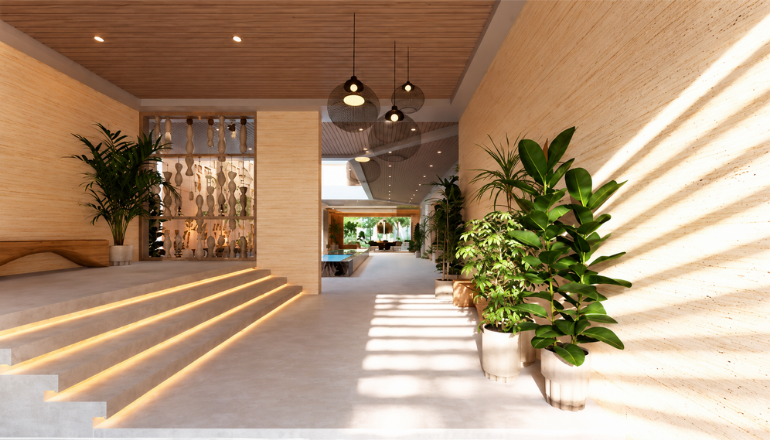
For example:
Use classic flooring and introduce trending colours through cushions.
Maintain simple kitchen cabinetry and update decorative accessories.
Choose durable furniture and experiment with contemporary lighting.
Keep architectural layouts practical while incorporating modern technology.
Key Principles to Consider Before Making Design Decisions
Before starting an architectural or interior design project, it is useful to evaluate whether the selected design choices will remain practical and visually appealing over time. Answering these questions can help create a design that offers more than temporary visual appeal.
Consider the following questions:
Will this design serve its intended purpose for many years?
Are the selected materials durable and easy to maintain?
Does the layout support everyday activities?
Will the colours and finishes remain visually balanced?
Can the space adapt to changing requirements?
Does the design complement its surroundings?
Conclusion
Timeless design is about creating something that continues to deliver value long after current trends have disappeared. It combines simplicity, functionality, quality materials, thoughtful planning, and adaptability to create spaces and structures that remain relevant over time.
Whether designing a home, commercial building, or interior space, the goal should be to make decisions that balance present-day requirements with future usability.
Instead of asking what looks fashionable today, ask what will continue to work beautifully tomorrow. That is the real strength of timeless design.
Our recent blog